Pinterest is making a more direct play for creator-led shopping, and this time the bridge is Amazon.
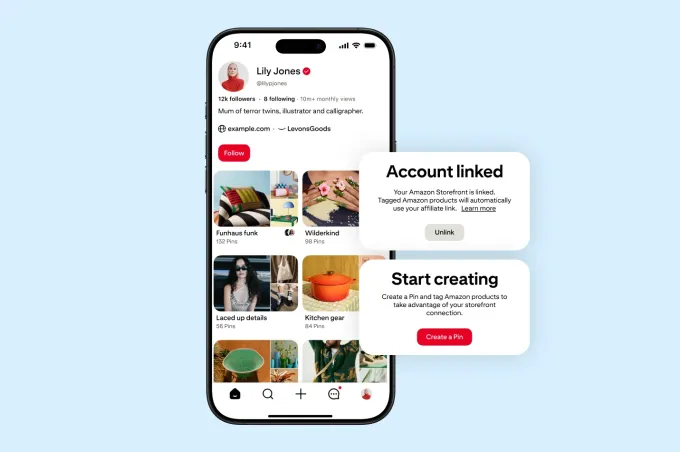
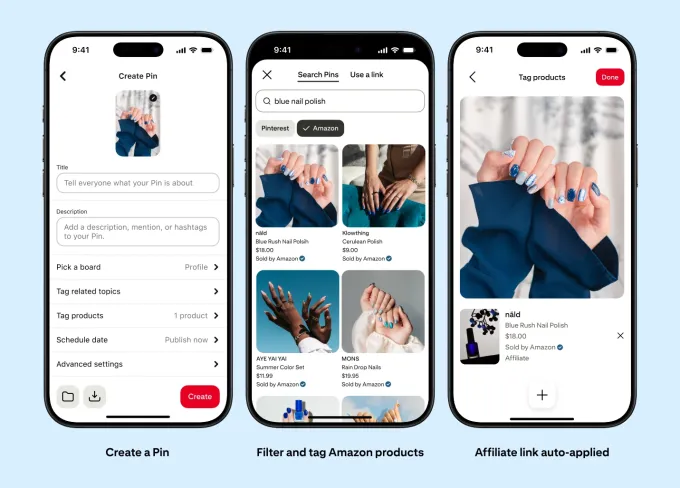
The platform is adding support for Amazon Storefronts, giving creators a way to connect the product recommendations they already share with the affiliate storefronts they use to earn commissions. Creators will be able to connect their Amazon Storefront directly to their Pinterest account, then have their affiliate link applied automatically whenever they tag an eligible Amazon product.
That is a small workflow change with a much bigger commercial signal. Pinterest has always been closer to shopping behavior than most social platforms. Now it wants more of the creator economy to happen inside that behavior, not just around it.
The product recommendation gets a home
Amazon Storefronts, available through the Amazon Influencer Program, already let creators collect recommended products in one destination and earn affiliate income when followers buy. Pinterest’s new integration brings that model into a platform where product discovery is already native.
After setup, creators will not need to manually manage each affiliate link for every eligible product they tag. The link is applied automatically. Their Amazon Storefront can also be featured on their Pinterest profile, giving followers a broader view of their recommendations beyond a single Pin or Board.
That matters because Pinterest is not trying to invent shopping behavior from scratch. The company says more than half of its users visit the platform to shop, and it sees more than 80 billion searches per month. Those are not passive feed numbers. They point to people arriving with a project, a room, a style, a recipe, a gift, or a vague idea they want to turn into something real.
Why Pinterest needs creators closer to commerce
The move also says something about Pinterest’s creator problem. Affiliate shopping has largely been built elsewhere: Instagram, TikTok, YouTube, and Facebook have trained creators to turn product mentions into revenue, whether through links, storefronts, live shopping, or short-form content.
Pinterest has the search and shopping behavior, but it has not always owned the creator monetization habit. By making Amazon Storefronts easier to activate, Pinterest is giving creators a clearer reason to treat the platform as more than a place to repost visual inspiration.
There is also a history here. Pinterest and Amazon already moved closer together in 2023, when they announced a multi-year advertising partnership that made Amazon Pinterest’s first partner for third-party ads. Pinterest then followed with a similar Google advertising deal in 2024, as it looked for stronger ways to monetize a platform people use heavily for bookmarking, planning, and buying inspiration.
This Storefront integration sits in that same commercial direction, but with a creator layer added. Ads brought Amazon demand into Pinterest. Storefronts bring creator recommendation into the same environment.
The AI content tension makes human curation more valuable
There is another reason this timing matters. Pinterest has been dealing with user frustration over the rise of AI-generated content, including complaints about “AI slop” making the platform feel less useful. The company has introduced tools to give users more control over AI content, but the problem is not only technical. It is about trust.
Shopping depends on trust in a very practical way. If a user is looking for a real product, a real room idea, or a real outfit recommendation, the difference between synthetic inspiration and human curation becomes commercially important. A creator’s storefront, especially one tied to products they repeatedly feature across social content, gives Pinterest a more accountable recommendation format than an anonymous image in a feed.
That does not solve the AI content issue by itself. But it does create a stronger incentive for Pinterest to surface creators whose taste, product choices, and recommendations users can recognize over time.
What brands should take from this
For brands, the important shift is not simply that Pinterest now supports Amazon Storefronts. It is that product recommendation, creator profile, and purchase intent are being pulled closer together in one environment.
That makes Pinterest more interesting for brands that already sell through Amazon and already work with creators. A product featured in a creator’s content can now be easier to connect to a shoppable Pinterest presence, with the affiliate mechanism handled in the background when eligible products are tagged.
It also changes what a strong Pinterest creator partnership should look like. A one-off Pin may matter less than a creator whose profile becomes a curated shopping surface. For home, beauty, fashion, food, parenting, wellness, and gifting brands, that means creator selection should focus on repeatable taste and category authority, not just reach.
The strategic consequence is clear: Pinterest is trying to make creator commerce feel native to search-driven inspiration, and brands that already rely on Amazon creators now have a stronger reason to treat Pinterest as part of the conversion plan, not just the mood board.
Also Read:
Instagram Cracks Down On Content Aggregators To Boost Originality
Snapchat Turns Ads Into Conversations With AI Sponsored Snaps
LinkedIn Is Using AI To Rethink How Your Feed Actually Works