FIFA forced Levi’s to hide its logo, and accidentally turned it into a viral branding masterclass.
For the duration of the 2026 FIFA World Cup, the iconic Levi’s Stadium in Santa Clara technically no longer exists. As part of FIFA’s strict “clean stadium” policy, all venues hosting tournament matches must remove or cover branding from companies that are not official tournament sponsors. That means sponsored venue names disappear, partner logos get hidden, and stadium signage is scrubbed clean to make room for FIFA’s commercial ecosystem.
Levi’s, which is not an official World Cup sponsor, was one of the casualties.
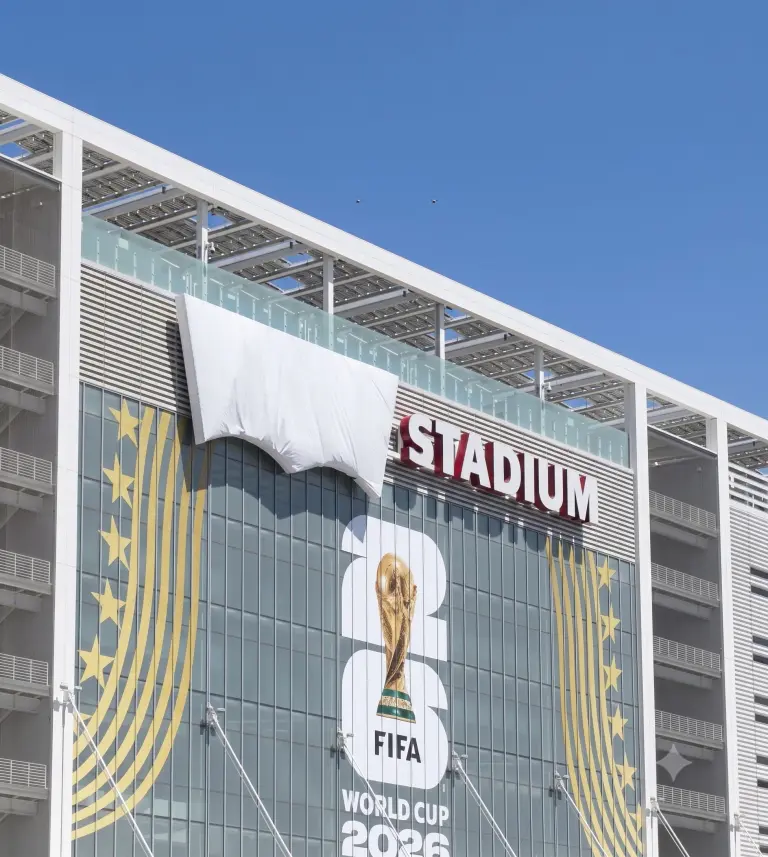
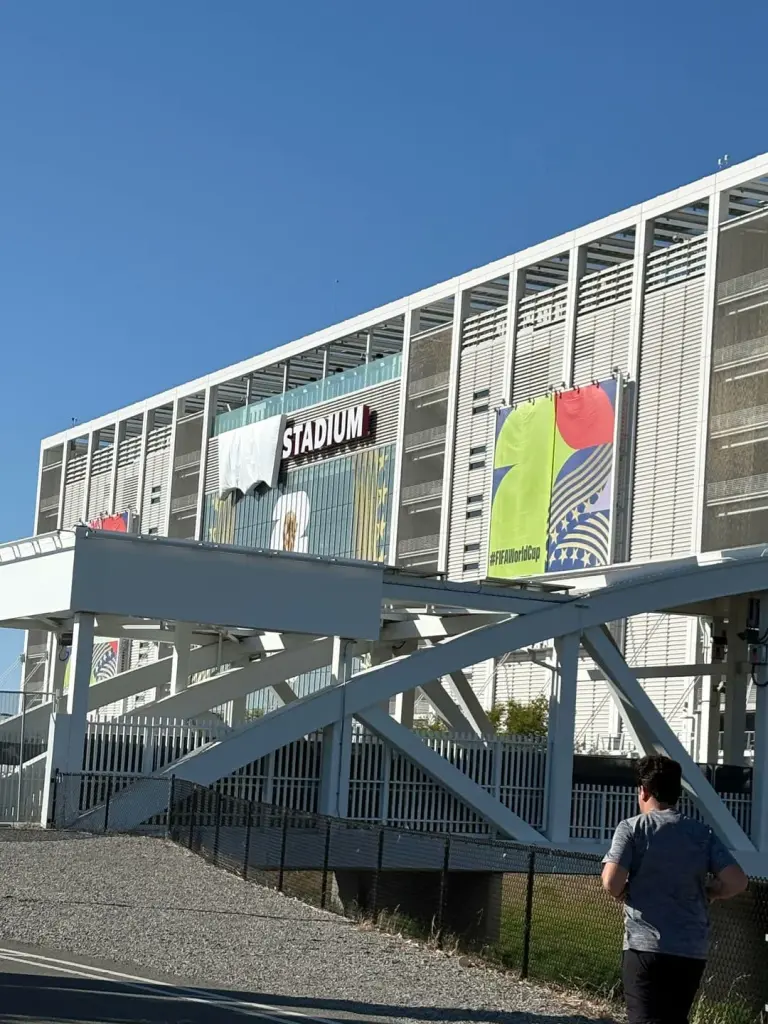
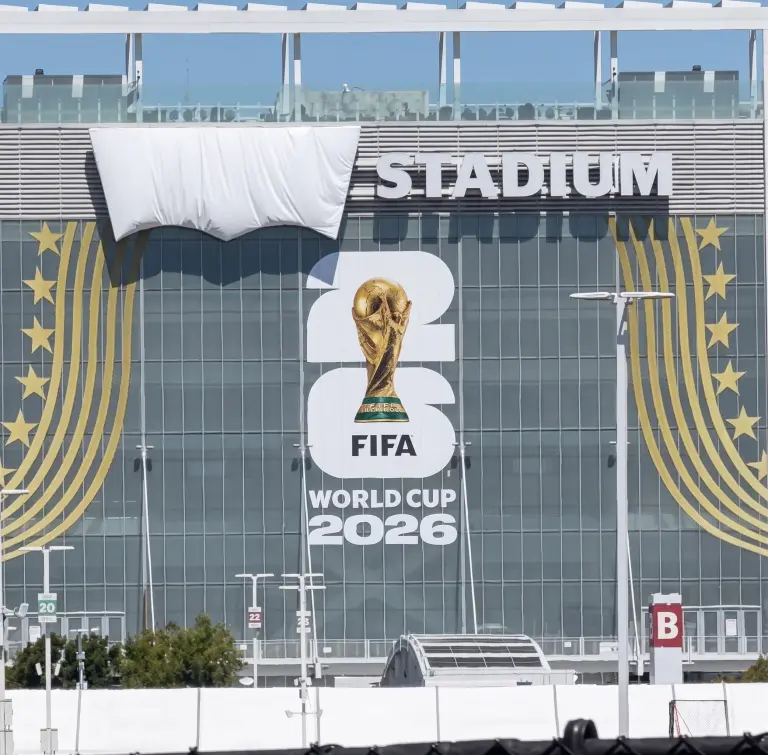
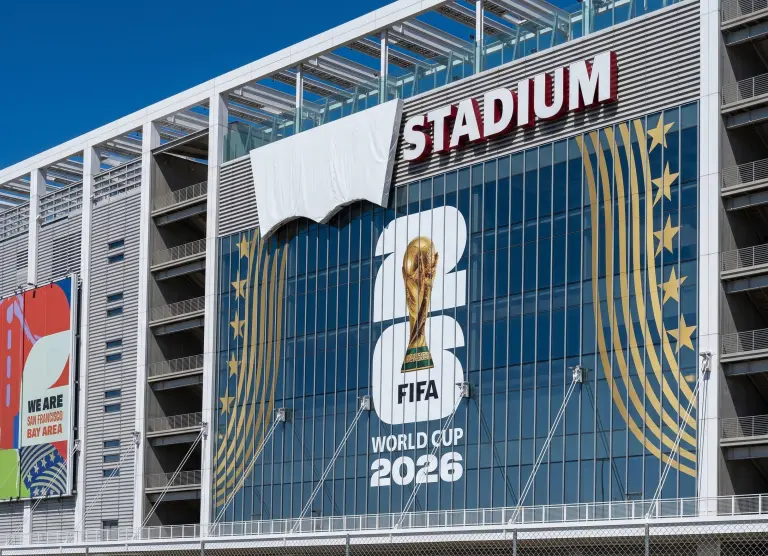
The stadium has been temporarily renamed San Francisco Bay Area Stadium, and the giant red Levi’s batwing logo that usually dominates the venue facade has been covered by a large white tarp.
And that’s where things got interesting.
The logo everyone could still see
The intention was simple: hide the brand.
The result was the exact opposite.
Photos of the covered logo quickly began circulating online because the tarp did almost nothing to disguise what was underneath. The distinctive shape of the Levi’s batwing remained perfectly recognizable, even without the logo, the color, or the name visible.
People instantly knew what they were looking at.
The irony is almost too perfect. A branding element designed to make Levi’s disappear ended up proving just how deeply embedded the brand is in popular culture.
FIFA’s clean stadium rule strikes again
The move is part of FIFA’s long-standing venue branding requirements.
During major tournaments, FIFA effectively takes control of stadium commercial assets and removes any signage that conflicts with official sponsorship agreements. Similar measures have been common across international football competitions and major sporting events for years.
At Levi’s Stadium, that meant covering Levi’s branding, wrapping Bud Light signage, and replacing San Francisco 49ers visual assets with FIFA-approved tournament graphics.
From a rights-management perspective, it’s standard procedure.
From a branding perspective, it became an unexpected case study.
When a brand becomes recognizable without its logo
Most brands spend decades trying to achieve what Levi’s demonstrated by accident this week.
The batwing shape is so distinctive that it no longer needs the logo itself to communicate ownership. The silhouette alone does the job.
It’s the same reason people recognize the shape of a Coca-Cola bottle, the Nike Swoosh, or Apple’s bitten apple icon even when details are removed. At a certain level of brand equity, recognition shifts from logos to visual memory.
In Levi’s case, a blank white cover somehow became one of the strongest advertisements the brand has received during the tournament.
The best publicity is sometimes unplanned
What makes the story fascinating is that Levi’s didn’t create the moment.
There was no campaign, no activation, no clever social media stunt.
A regulatory requirement forced the company to disappear, and the internet turned that disappearance into free publicity. Images of the covered logo spread across social platforms, generating exactly the kind of attention brands usually spend millions trying to earn.
It’s a reminder that the strongest identities don’t depend on constant visibility. Sometimes they’re so ingrained that even an attempt to hide them only makes them more obvious.
Also Read:
Uber Adds A Sixth Star To Its Ratings System, But Only For Brazilians
Instagram Adds Voice Effects To Make DMs More Playful
Heinz Hides a Ketchup Bottle Inside a Heineken Six-Pack