


Instagram is giving voice messages a personality upgrade.
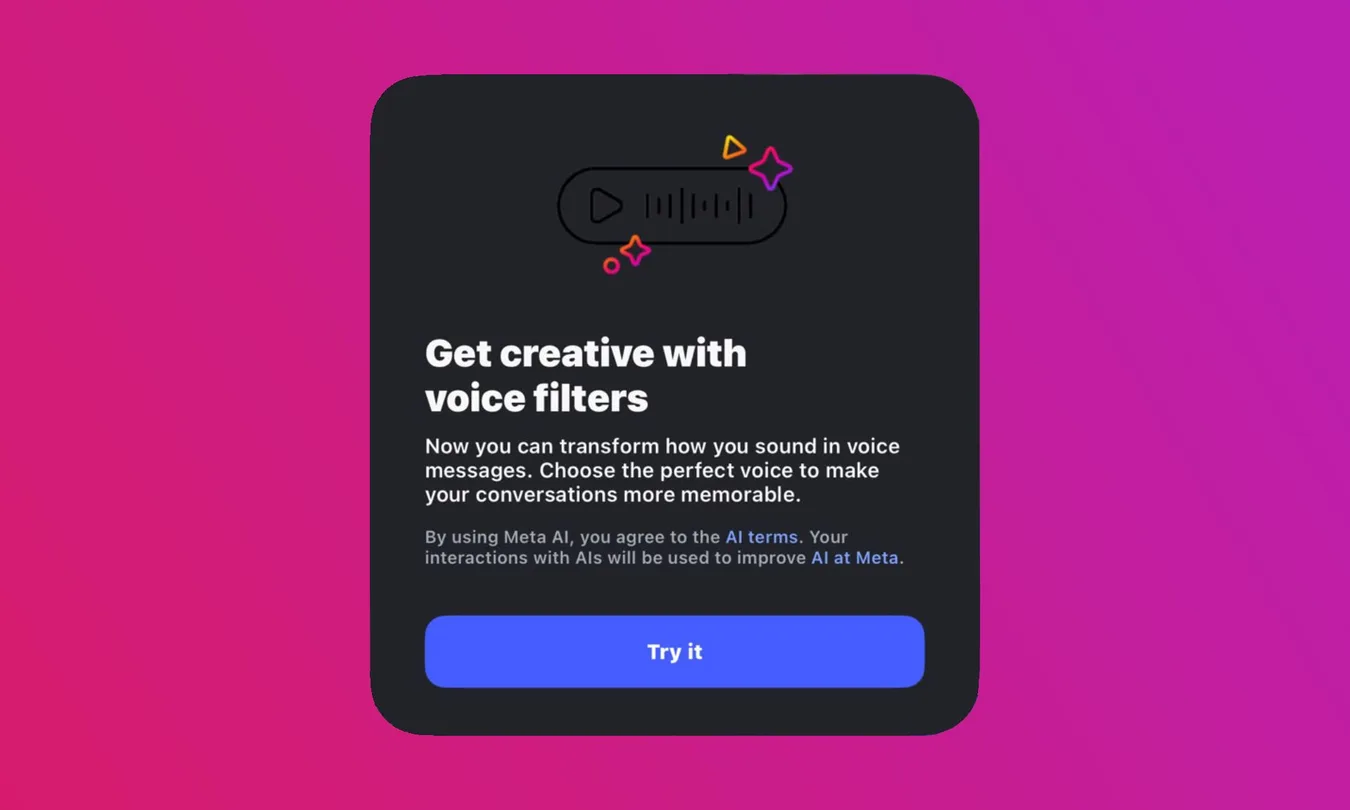
The platform is expanding its AI-powered voice effects for DMs, growing the feature from eight effects to fifteen and bringing it to more users worldwide. The update arrives just in time for the FIFA World Cup 2026, with Meta using football fandom as the launchpad for a broader push around voice messaging.
The result? Your next DM could sound like it was recorded by a pirate, your grandmother, or a stadium announcer celebrating a last-minute winner.
Voice messages get the TikTok treatment
Voice notes have quietly become one of the most personal ways people communicate online. Instagram now wants to make them more playful.
Originally launched in India earlier this year, the feature allowed users to transform their voices using effects such as Chipmunk, Demon, Alien, Robot, Underwater, Stadium, Wobble and Fishbowl. The latest update nearly doubles the lineup. New additions include Pirate, Autotune, Whisper, Grandpa, Grandma, Princess and a football-themed Goal! effect designed specifically for World Cup conversations.
According to Meta, messages sent using the Goal! effect trigger a surprise animation inside DMs, turning a simple voice note into something closer to an interactive reaction.
Turning conversations into content
Using the feature is straightforward. Users can record a voice message inside a DM and select an effect before sending it. Recipients can see which effect was used and instantly apply the same one in their own reply.
That small detail matters.
Rather than treating voice effects as a one-off gimmick, Instagram is building them as a social behavior that can spread naturally through conversations. Every message becomes an invitation to participate, helping new features travel through friend groups instead of relying on discovery tabs or algorithmic recommendations.
It’s the same playbook that helped stickers, filters and Stories become everyday habits.
Why it matters
On the surface, AI voice effects look like another fun messaging feature.
But they also reveal how platforms increasingly think about AI: not as a standalone destination, but as a layer woven into everyday communication.
The most successful AI experiences may not be the ones users actively seek out. They may be the ones that quietly make conversations more entertaining, more expressive and more shareable.