Uber has spent more than a decade teaching the world that five stars is the highest rating you can get. Now, for the first time in its history, it’s breaking its own rule.
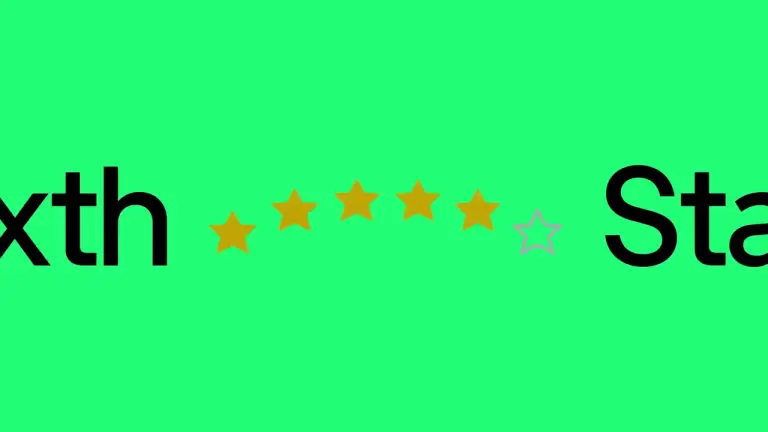
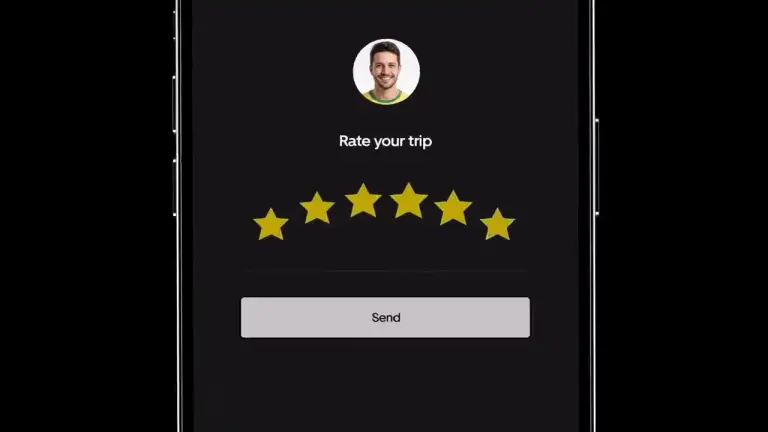
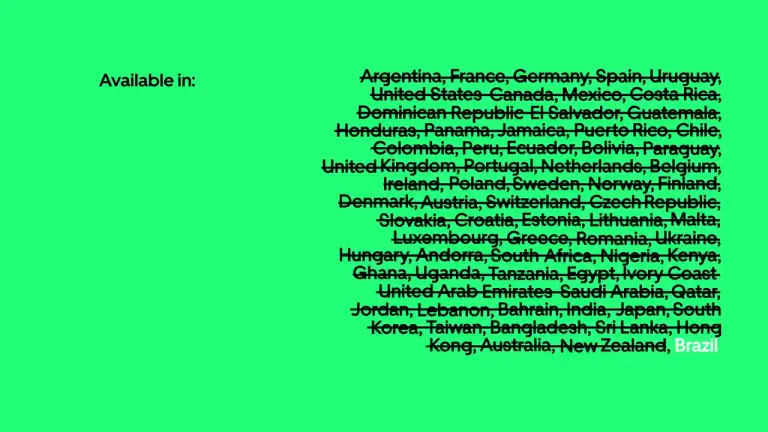
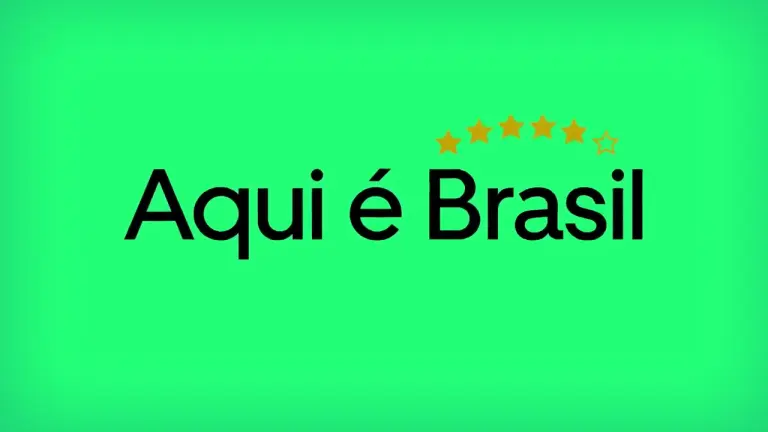
To celebrate the 2026 FIFA World Cup, Uber has introduced a sixth star inside its app. But there’s a catch: only riders and drivers in Brazil can see it.
Created by Wieden+Kennedy São Paulo as part of Uber’s “Chega Junto” platform with the Brazilian Football Confederation, the activation turns one of the app’s most familiar features into a national badge of pride.
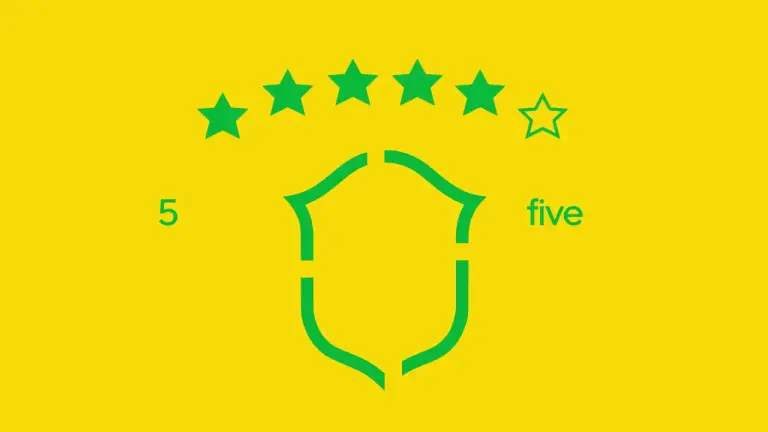
The idea is beautifully simple. Brazil is the only country to have won five men’s FIFA World Cups, with titles in 1958, 1962, 1970, 1994 and 2002. If the Seleção is chasing a sixth star in 2026, Uber figured the country deserved one too.
And that’s what makes the campaign work.
The power of a feature nobody else gets
The sixth star isn’t available globally. It doesn’t appear in New York, London, Paris or Tokyo. Everywhere else, Uber remains a five-star platform.
By intentionally limiting access, Uber transforms a small product tweak into a cultural statement. The fact that other countries can’t unlock the sixth star is precisely what gives it meaning.
It’s a classic example of scarcity used as storytelling. Rather than giving everyone the same experience, Uber turns exclusion into the campaign itself.
Turning every ride into football banter
The execution extends beyond the app. Top-rated drivers can earn a “6-Star Driver” badge, giving them a distinction that drivers in every other country simply cannot achieve.
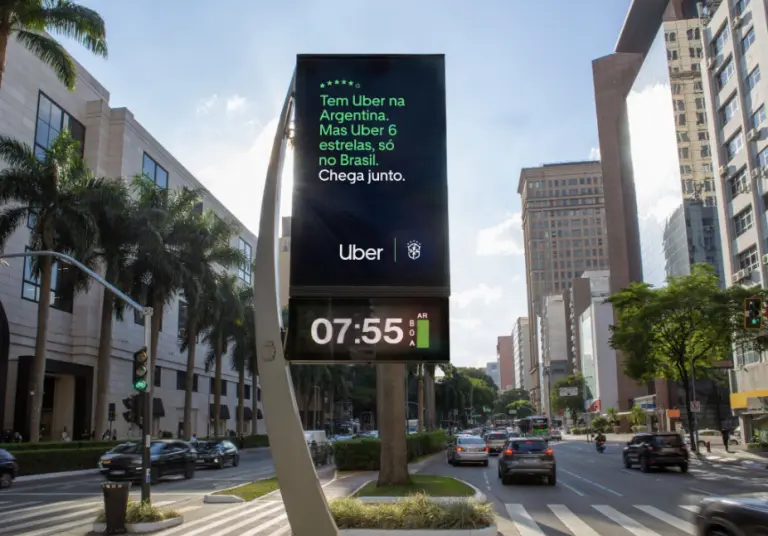
Airport billboards reinforce the joke with messages that proudly remind visitors that six-star ratings are only available in countries that already have five World Cup titles.
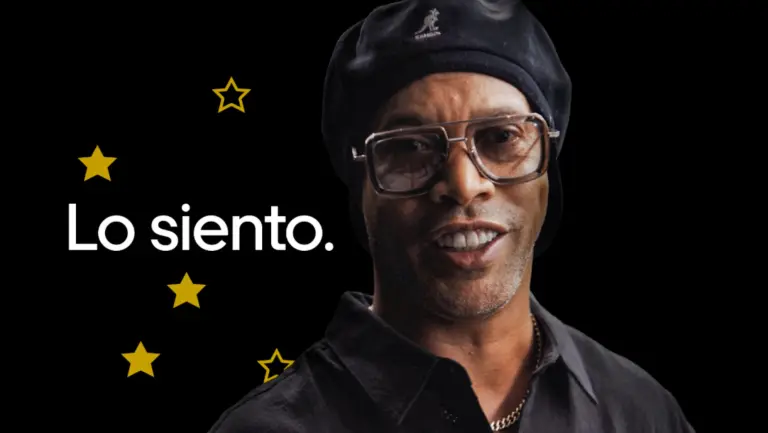
To bring the idea to life, Uber enlisted Ronaldinho, who appears in campaign films explaining to international fans why they’re still stuck at five stars.
The result is an activation that feels unusually native to both the platform and the moment. Instead of creating a World Cup-themed feature from scratch, Uber found a way to reinterpret one of its most recognizable product symbols through the lens of football culture.
It’s the kind of idea that makes people wish they were being excluded from it.
Brands often struggle to make sponsorships feel relevant to the products they actually sell. Uber’s sixth star succeeds because it connects football fandom directly to an existing user behavior.
Everyone already understands what a five-star rating means. By adding just one more, Uber turns a familiar interface into a national celebration, proving that sometimes the smartest World Cup campaigns don’t invent new experiences, they simply rewrite the rules of ones people already use every day.
Also Read:
Cash App Wants To Turn Your Phone Bill Into A Financial Product
Heineken Turns Volunteer Leave Into a World Cup Hack
Uber Turns the Wait for Your Ride into a Love Story