


LinkedIn is turning co-authorship into a visible signal.
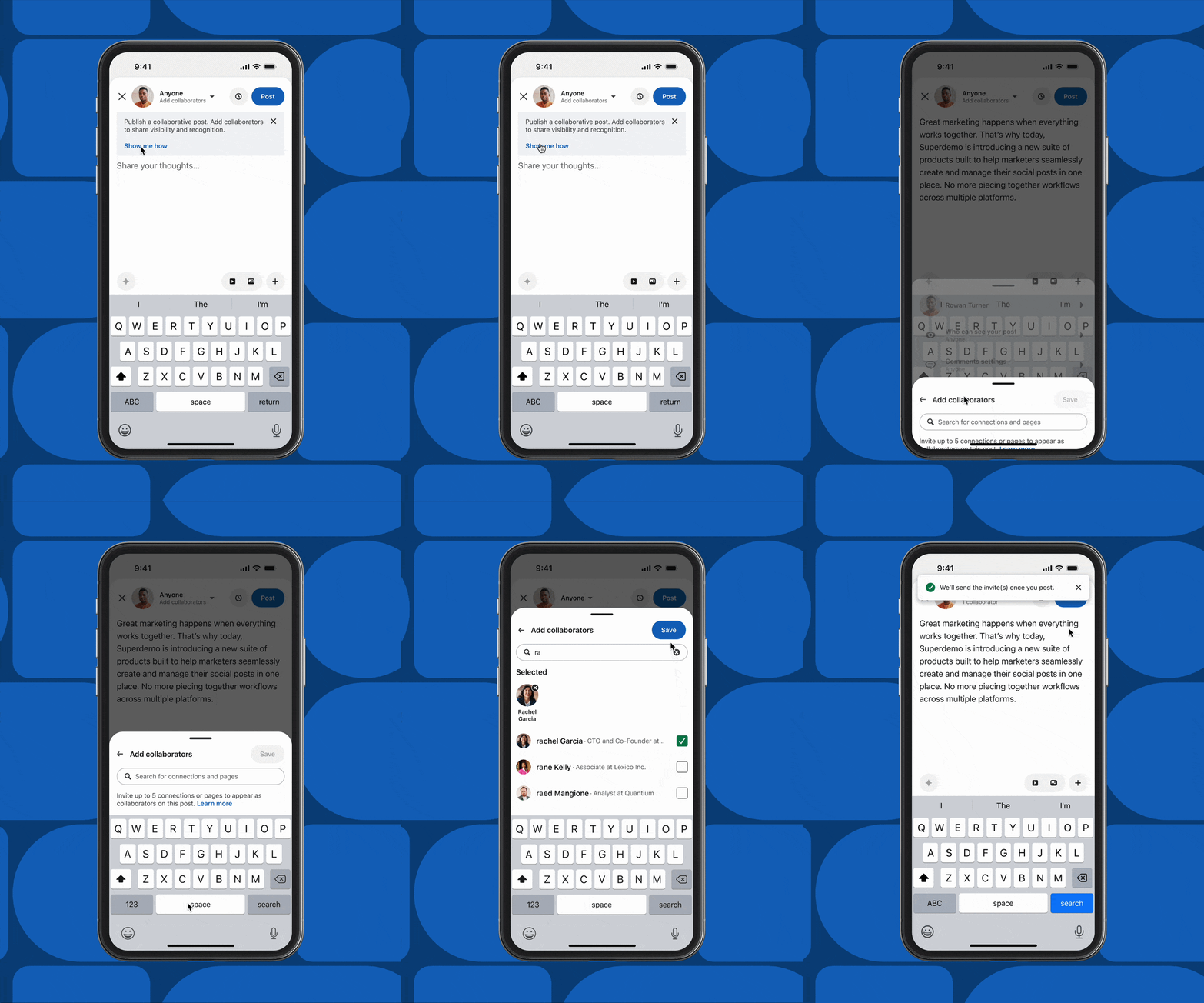
The platform confirmed that Collaborative Posts are coming to LinkedIn. The company says it is starting to test the ability for members to collaborate when publishing content, with a handful of creators and brands on the ground at Cannes among the first to use the experience.
In time, members and LinkedIn Pages will be able to share posts together. When they do, people will see all collaborators listed at the top of the post. LinkedIn says it plans to roll the feature out further over the next few months.
From solo posts to visible collaboration
LinkedIn framed the new feature around moments that rarely belong to one person: new product launches, executives breaking major business news, creators sharing brand partnerships, and teammates celebrating company milestones. Those examples say a lot about where the feature fits.
This is not only for creator duets or casual shout-outs. It is built for professional moments where authority is shared across people, companies, and communities. A founder and a company Page. A creator and a brand. A CMO and an agency partner. An employee and an employer. Until now, those relationships usually appeared inside the copy, in tags, or in the comments. Collaborative Posts move that relationship into the post’s identity layer.
LinkedIn has long been a platform where individual voices often outperform corporate Pages. By allowing members and Pages to appear together at the top of a post, the platform is giving brands a way to borrow the human credibility of individuals while giving those individuals a clearer role in the official message.
Why the top line changes the post
There is a difference between mentioning collaborators and making them part of the post header. A mention is easy to miss. A shared byline is harder to ignore.
That distinction is especially relevant on LinkedIn, where professional identity shapes how people read content. A post about a product launch lands differently when it comes only from a company Page than when it is visibly shared with the product lead, a customer, or a creator involved in the work. The content may be the same, but the reader now sees a network of accountability and endorsement before reading the first sentence.
What brands should do with shared bylines
For brands and marketers, the opportunity is not to add more names for reach alone. The stronger use case is choosing collaborators who add specific credibility to the message.
A brand partnership post should not simply list the brand and the creator. It should make the collaboration obvious in the substance of the post: why the partnership exists, what each side contributed, and why the audience should care. A company milestone can become more meaningful when paired with an employee who helped build it. A product launch can gain weight when shared with the person responsible for the work, not just the Page responsible for promoting it.
LinkedIn is formalizing the work behind the work
Collaborative Posts also arrive at a moment when professional content is increasingly built across roles. Employees are expected to be advocates. Executives are expected to be media channels. Creators are increasingly part of B2B and employer-brand campaigns. Agencies, customers, partners, and internal teams all contribute to the stories companies want to tell.
LinkedIn’s test gives that reality a native format. It does not remove the need for a strong post, a clear point of view, or a real reason to collaborate. But it does change what the feed can show at a glance: not just who posted, but who stands behind the post.
For LinkedIn, that is the strategic consequence. Professional credibility is no longer only attached to one profile or one Page; it can now be assembled, displayed, and distributed as a shared asset.