The fastest way to know a gadget has crossed into culture is when someone decides it needs gold.
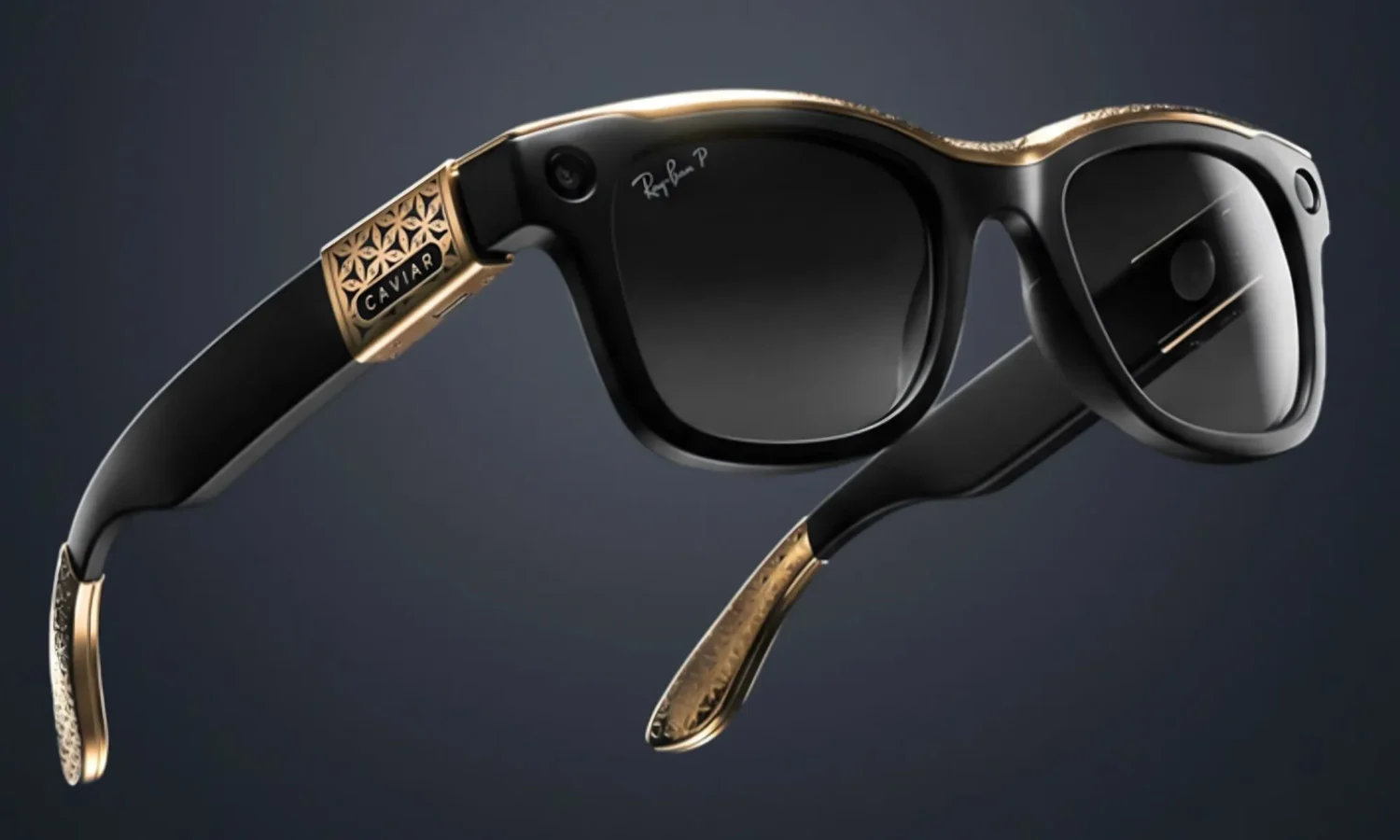
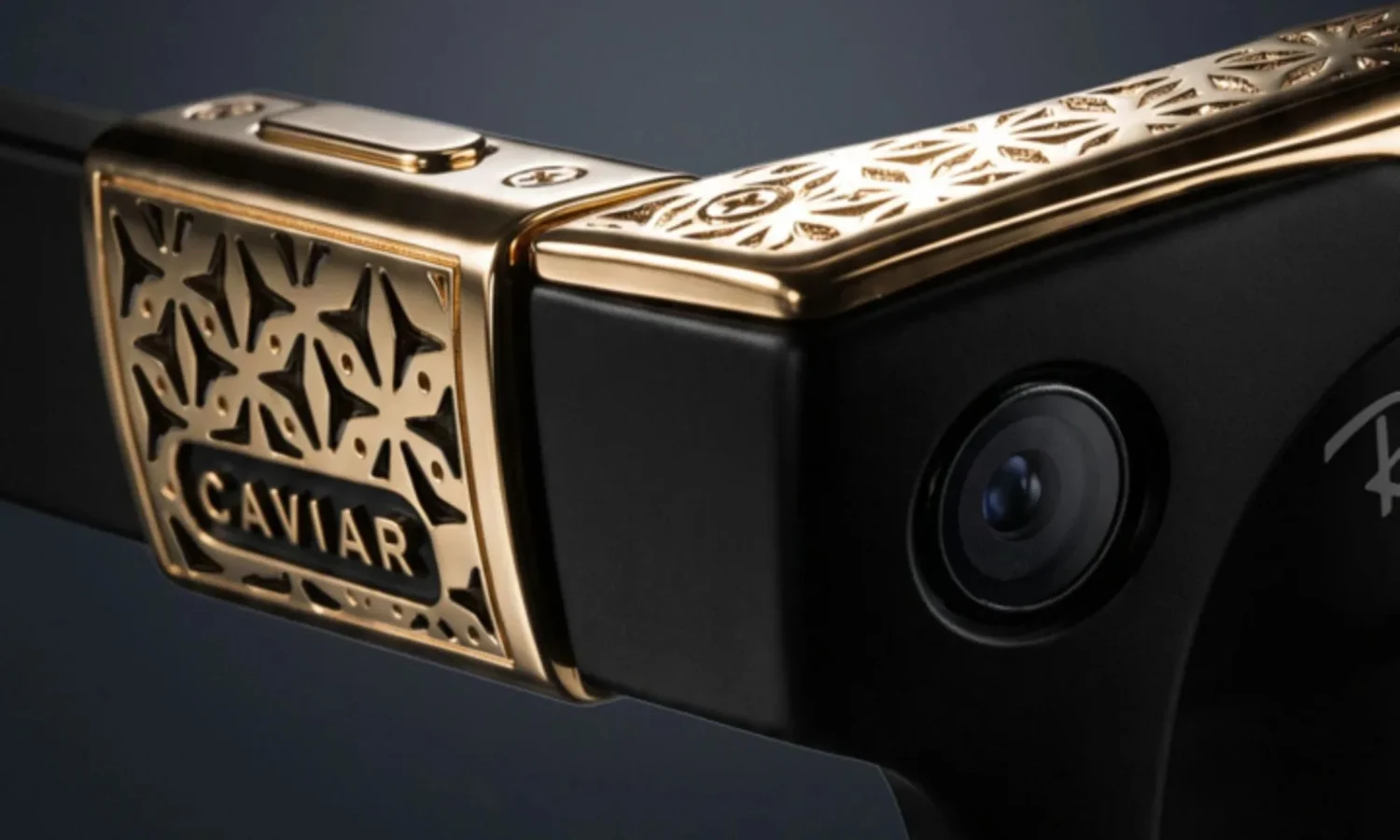
That is now happening to Meta’s smart glasses. Luxury customization brand Caviar has created a high-end version of the Ray-Ban Meta AI glasses, a $6,840 price tag, 24-karat gold accents, and an alligator leather case. The base product is still the familiar Ray-Ban Meta smart glasses, a device built around hands-free capture, audio, calling, messaging, and Meta AI.
But Caviar’s version changes the conversation. This is not about making the product more useful. It is about making it more visible.
From wearable camera to status signal
Ray-Ban Meta glasses have always had a difficult job. They need to feel normal enough to wear in public, useful enough to justify the technology, and stylish enough not to look like a gadget strapped to someone’s face.
Caviar’s treatment pushes the product in the opposite direction. The gold detailing and exotic leather case make the glasses louder, more expensive, and more obviously coded as luxury. Whether the execution is tasteful is almost beside the point. The interesting part is that smart glasses are now considered valuable enough as a silhouette to be customized like an iPhone, watch, or pair of sneakers.
That matters because face-worn technology lives or dies by social permission. A phone can disappear into a pocket. A smartwatch can hide under a sleeve. Glasses sit directly on the face, which means the product is always also a statement about identity, taste, and trust.
The real signal is where smart glasses are headed
There is no indication that this is a Meta- or Ray-Ban-led luxury edition. That distinction matters. Caviar is applying its usual aftermarket playbook to a product that already exists. Still, the move says something useful about the category.
Smart glasses are no longer being treated only as experimental hardware. They are becoming fashion objects, accessories, and status symbols, even before the category has fully gone mainstream. That is a strange place to be, but it is also where many consumer technologies become culturally interesting: after utility is proven enough for people to start asking what the product says about them.
For Meta, the bigger challenge remains unchanged. The company does not just need people to understand what AI glasses can do. It needs people to feel comfortable wearing them, being around them, and recognizing them as part of everyday life.
A $6,840 gold version will not make smart glasses mainstream. But it does show that third parties already see them as objects with cultural surface area. If smart glasses keep moving forward, the winners will not only be the ones with the best AI. They will be the ones people are willing to be seen wearing.
Also Read:
WhatsApp Web Finally Gets Voice And Video Calls
WhatsApp’s New Features Are About Real-Life Habits
Threads Joins Meta’s Parental Supervision Stack