


LinkedIn is making creator discovery feel a little more like media buying.
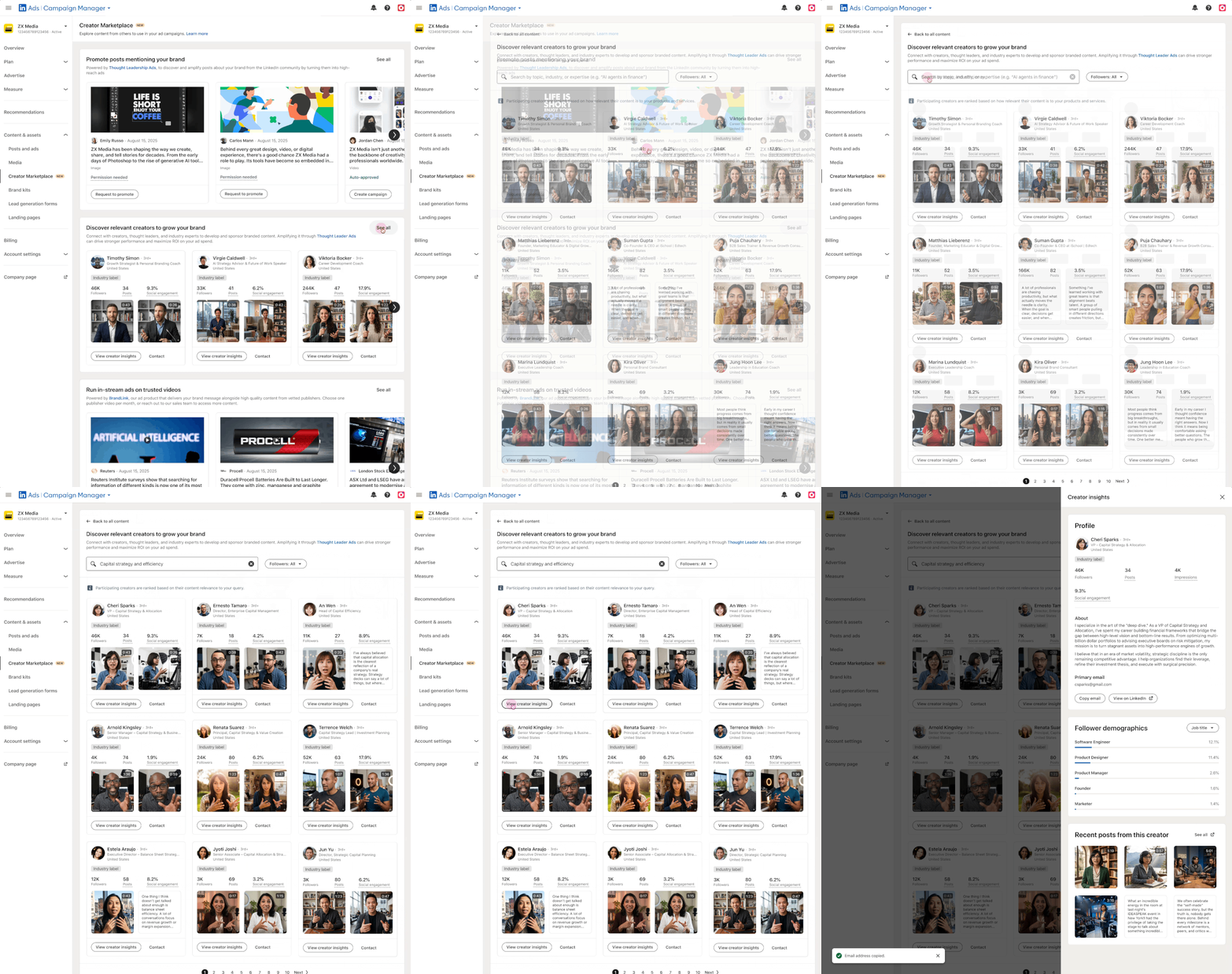
The platform announced a Creator Marketplace designed to help brands find and connect with credible professional voices on LinkedIn. The marketplace is rolling out this month, and the early version is not open to everyone. Access is currently invite-only, with LinkedIn saying it will expand availability over time.
The mechanics matter. Eligibility is based on factors including expertise, content quality, platform presence, and topic alignment with advertiser demand. Invited creators will be able to opt in through a new Monetization tab arriving in the coming weeks. Once they opt in, LinkedIn can make select information available in Campaign Manager, including the creator’s preferred email address for brand outreach.
That puts professional creators closer to the place where B2B advertisers already plan and manage campaigns. And that is the real shift.
From visible expertise to reachable talent
LinkedIn has had influential voices for years. What it has not had, at least at this level, is a more formal way for brands to search for them, contact them, and start partnership conversations inside the platform’s advertising environment.
The Creator Marketplace is meant to support several types of opportunities, from branded partnerships to speaking gigs to LinkedIn Thought Leader Ads. That last one is especially important because it already lets brands sponsor posts from people, not just company pages, provided the right permissions are in place. Creator Marketplace gives LinkedIn a cleaner discovery layer around that behavior.
LinkedIn is not taking over the whole relationship, at least for now. The company says brands and creators will establish partnership details directly with each other, including fees and payments. In other words, LinkedIn is helping with discoverability and contact, while leaving deal-making outside the marketplace itself.
That creates a practical middle ground: enough structure for brands to find creators more easily, but not a full managed talent platform where LinkedIn controls every commercial term.
The professional creator is getting productized
The word “creator” still carries a consumer-platform halo: entertainment, lifestyle, beauty, gaming, fashion, food. LinkedIn’s version is different. Its marketplace is built around professional credibility. Eligibility signals such as expertise, content quality, and alignment with advertiser demand suggest that LinkedIn is trying to match brands with people who have authority in specific business conversations, not just reach.
That distinction matters because B2B creator marketing has often been messy. The best voices may be consultants, founders, analysts, operators, subject-matter experts, or employees with strong followings. They may not call themselves creators. They may not have media kits. Brands may know they exist, but not know how to evaluate or approach them at scale.
By putting opted-in creators into Campaign Manager, LinkedIn is effectively turning professional influence into something advertisers can search for during campaign planning. A cybersecurity company, for example, does not just need a big audience. It needs someone credible enough to speak to CISOs, procurement teams, or IT leaders without sounding like an ad read.
That is where LinkedIn has an advantage. Its graph is already built around jobs, industries, titles, companies, and expertise. Creator Marketplace gives that professional identity a more commercial surface.
What this changes for brands
For marketers, the immediate value is not that LinkedIn has invented creator partnerships. It has not. The value is that it may reduce the amount of manual searching, cold outreach, and guesswork involved in finding B2B voices who are both relevant and open to commercial opportunities.
The invite-only model also gives LinkedIn room to protect quality. If the marketplace becomes a directory of anyone with a following, it risks becoming noisy quickly. But if LinkedIn keeps eligibility tied to expertise, content quality, and advertiser demand, it can position the marketplace as a higher-signal environment than broad influencer databases.
There is also a measurement implication. Because Creator Marketplace connects to Campaign Manager, brands will naturally think about these partnerships alongside paid media. That could make creator collaborations feel less like one-off influencer experiments and more like planned parts of a LinkedIn campaign, especially when paired with Thought Leader Ads.
The friction is obvious but important: direct negotiation means brands still need clear briefs, fair compensation, rights agreements, disclosure practices, and approval processes. Creator discovery is only one part of the work. But it is often the part that keeps B2B teams from starting at all.
LinkedIn is building around trust, not entertainment
This move also says something about where LinkedIn sees its creator economy going. The platform is not trying to copy TikTok’s entertainment engine or Instagram’s lifestyle marketplace. It is building around professional trust: who knows a topic, who has an audience around it, and who a brand can credibly partner with.
That gives creators a clearer commercial path beyond growing an audience for its own sake. LinkedIn’s post points to opportunities including paid deals, brand building, and expanding professional influence and connections. Creator Marketplace turns those outcomes into a more visible part of the platform’s product design.
For LinkedIn, this also strengthens the connection between content and advertising. If the people driving important professional conversations become easier to find inside Campaign Manager, LinkedIn can make its ad platform feel more native to how business influence actually works.
On LinkedIn, creator partnerships are moving from who you happen to know to who the platform can make visible inside the buying workflow.