Restaurant discovery has always had a trust problem. Reviews can be gamed. Influencer lists can feel too polished. Wishlists often say more about aspiration than actual behavior.
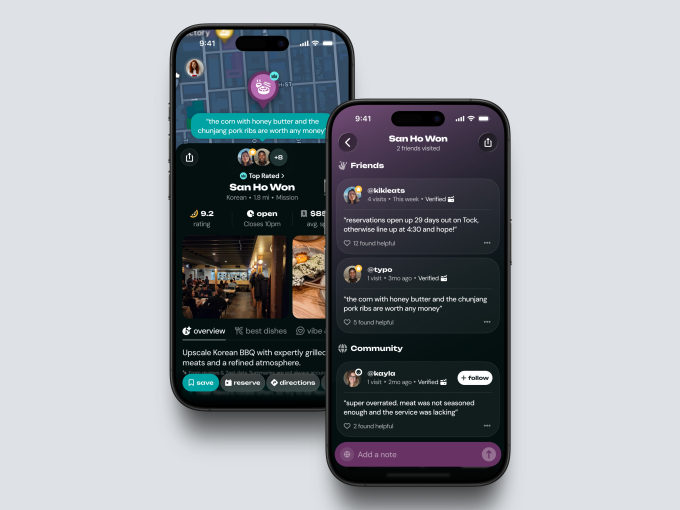
That is the opening Zest is going after. The newly launched restaurant discovery app uses transaction data and AI to recommend places based on where people actually eat, drink, and grab coffee. Zest was founded in November 2024, has raised $1.8 million in pre-seed funding from Alexis Ohanian’s 776 and Steve Jang at Kindred Ventures, and has now opened publicly after beta testing since nearly day one.
In a matter of weeks, Zest says it has attracted more than 100,000 visits post-launch. That is still early. But the behavior it is testing is bigger than another dining app: what happens when recommendations are built from receipts instead of ratings?
From reviews to receipts
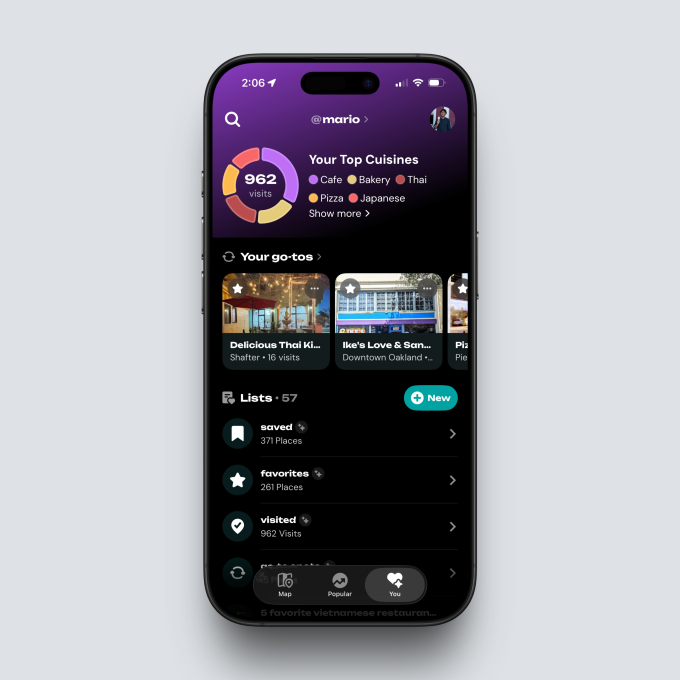
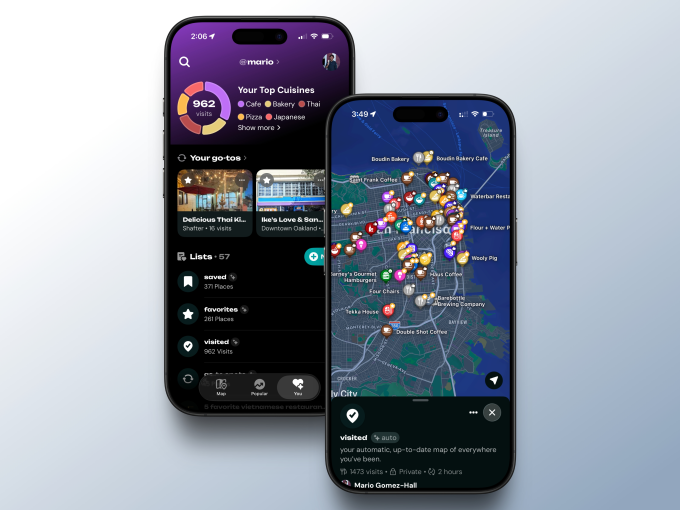
Zest asks users to link a credit card, then imports restaurant visits to create a personal dining map that others can follow. The app does not track fast-casual or fast food, a choice designed to reduce clutter and keep the map focused on more meaningful dining signals.
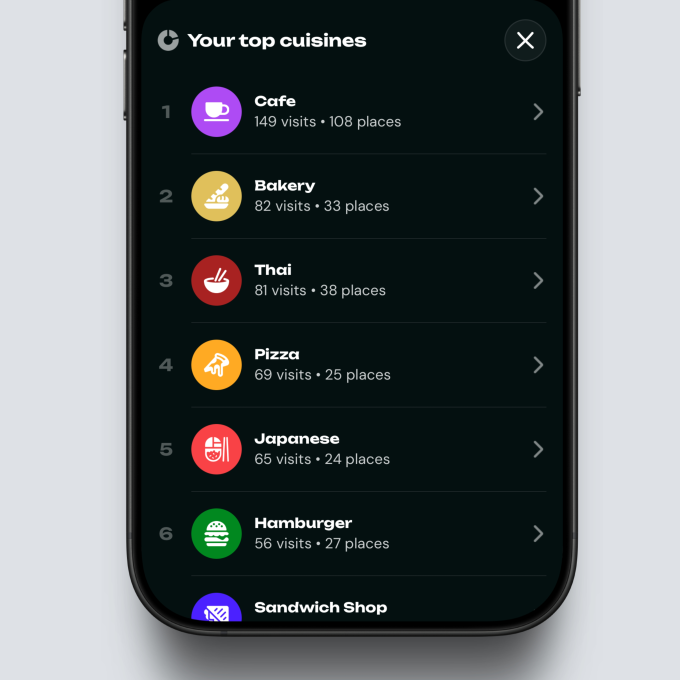
That detail matters. A review tells you what someone decided to write. A transaction tells you where they actually went. Over time, Zest can learn which restaurants a person returns to, what kinds of places they seem to prefer, and where those patterns might point next.
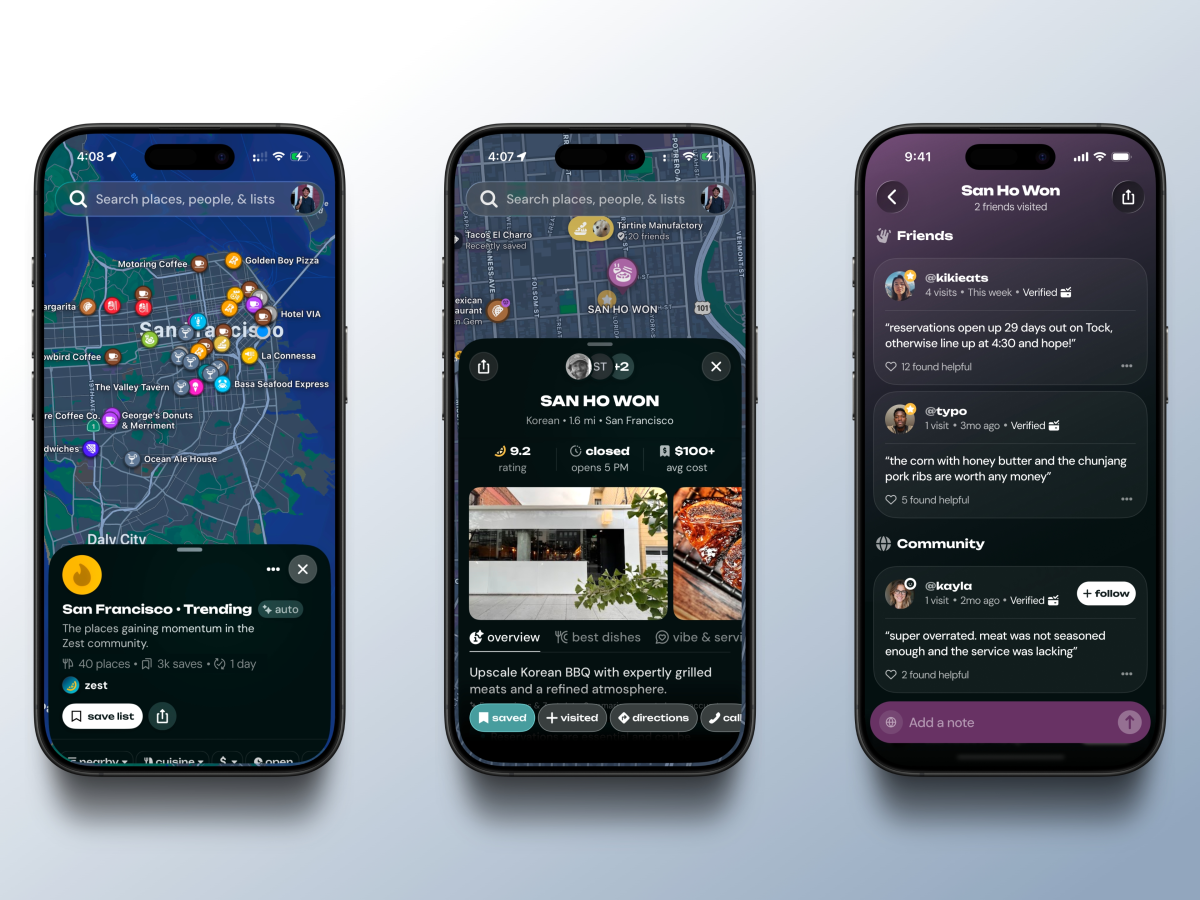
The app also lets users follow friends or creator-curated profiles for recommendations in their own city or when traveling. So the product is not just replacing search with AI. It is trying to turn real dining behavior into a social layer people can browse.
The social graph gets a dining bill
The idea has some obvious echoes. TechCrunch notes that Venmo already turns purchases into a kind of social feed, while the earlier startup Blippy tried, less successfully, to make spending itself shareable. Zest is more focused. It is not asking people to expose every purchase. It is narrowing the signal to food and drink.
That focus gives the app a clearer use case. If a friend repeatedly goes to the same neighborhood wine bar, that may be more useful than a five-star review from a stranger. If a creator’s map shows where they actually eat when they are not making content, that could be more valuable than another sponsored listicle.
This is where Zest’s bet becomes interesting. Restaurant discovery is usually split between public opinion, search ranking, social posts, and private recommendations. Zest is trying to connect those signals around one practical question: where do people with taste like mine actually spend money?
AI with a paper trail
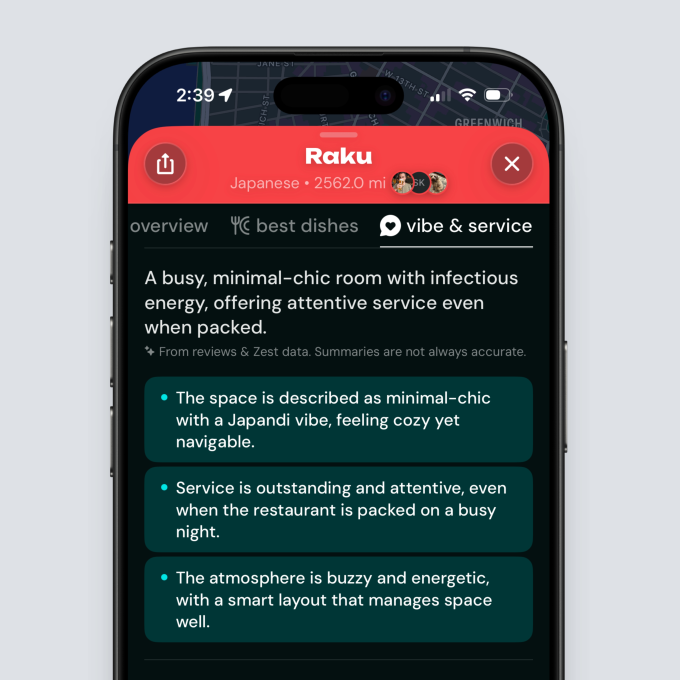
The AI part of Zest is important, but it is not the whole story. Recommendations are only as useful as the data behind them. Here, the input is not just declared preference. It is transaction history.
Zest imports credit card data through Plaid, the financial services company used by banks, fintech apps, and budgeting products. The app accesses credit card transactions, imports only food and drink categories for the map, and drops the rest.
That creates a cleaner recommendation base than most dining platforms have. It also creates a higher trust bar. Asking someone to connect a card is very different from asking them to save a restaurant to a list. Plaid helps normalize the connection, but the value exchange has to be obvious: better recommendations, less noise, and enough control to make sharing feel intentional.
What restaurants and marketers should watch
For restaurants, Zest points to a future where repeat behavior may become more visible than review volume. A venue that people actually return to could gain influence through maps followed by friends, locals, and creators. That is a different kind of signal than chasing one viral TikTok or managing a flood of anonymous reviews.
For marketers, the interesting part is not simply that Zest has AI recommendations. It is that the app connects personal spending, social following, creator curation, and travel discovery in one place. If the model works, restaurants will need to think harder about how real-world loyalty turns into digital visibility.
That also changes what makes a creator valuable in food and hospitality. A beautiful post can drive attention. But a credible dining map based on actual visits could make taste feel more durable. The creator becomes less of a broadcaster and more of a trusted filter.
The trust trade-off
Zest still has to convince people that linking a credit card is worth it. The app’s decision to import only food and drink transactions, and not everything else, is central to that pitch. So is its choice to avoid fast-food clutter, because too much raw transaction data would quickly make the product feel messy rather than useful.
The bigger question is whether people want their offline habits to become a shareable recommendation system. Some will. Especially if the result feels more honest than star ratings and more practical than influencer roundups.
If Zest succeeds, restaurant discovery shifts from being about who can describe a place best to who can prove they actually go there. For restaurants, the fight shifts from being reviewed well to becoming a place people genuinely return to, because now the receipt may be the recommendation.
Also Read:
LinkedIn Is Using AI To Rethink How Your Feed Actually Works
Bumble Is Killing The Swipe, And Betting On Something Bigger
Spotify’s AI DJ Now Speaks French, German, Italian, and Brazilian Portuguese