Meta is making teen content safety look a lot more like a ratings system.
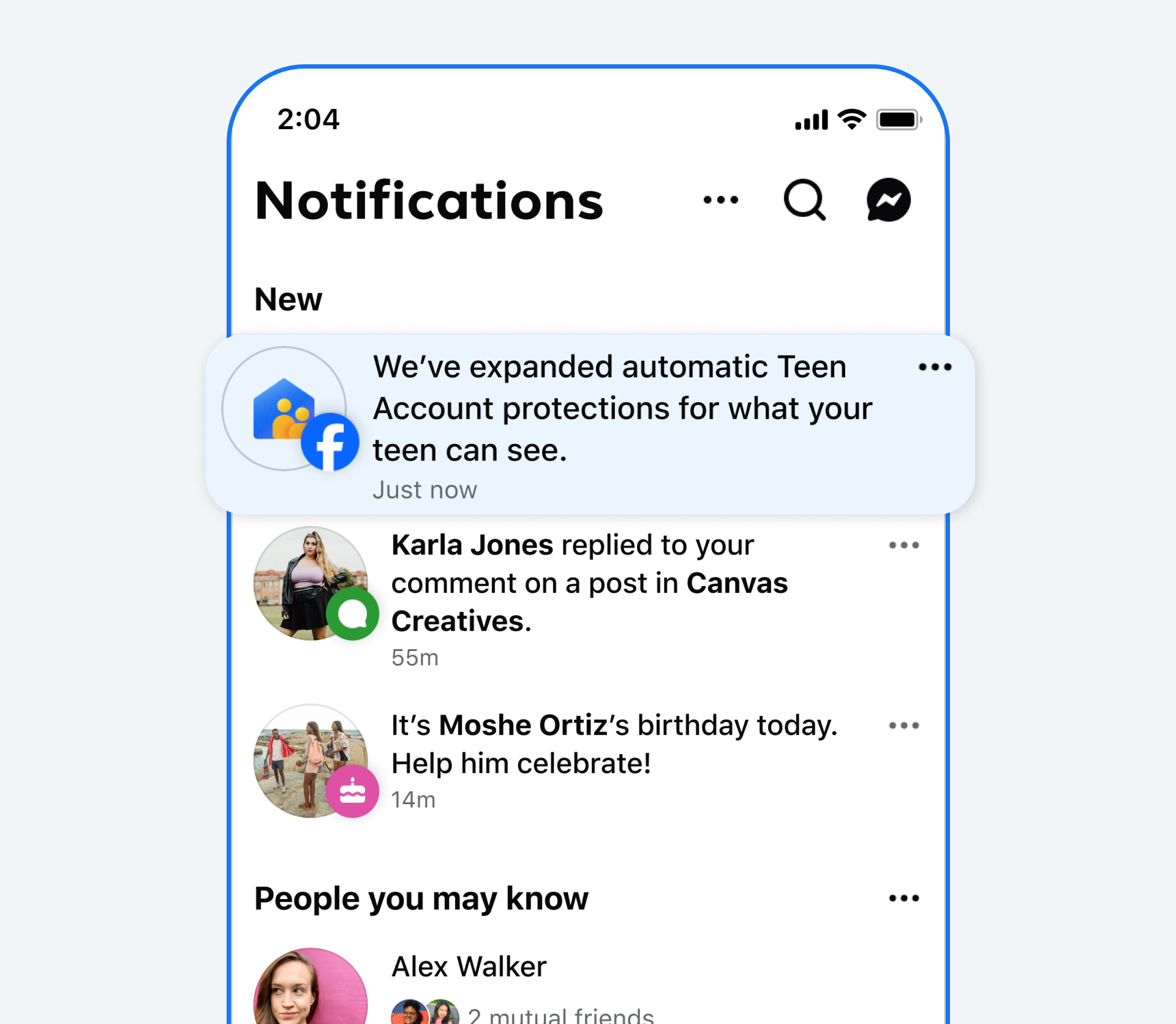
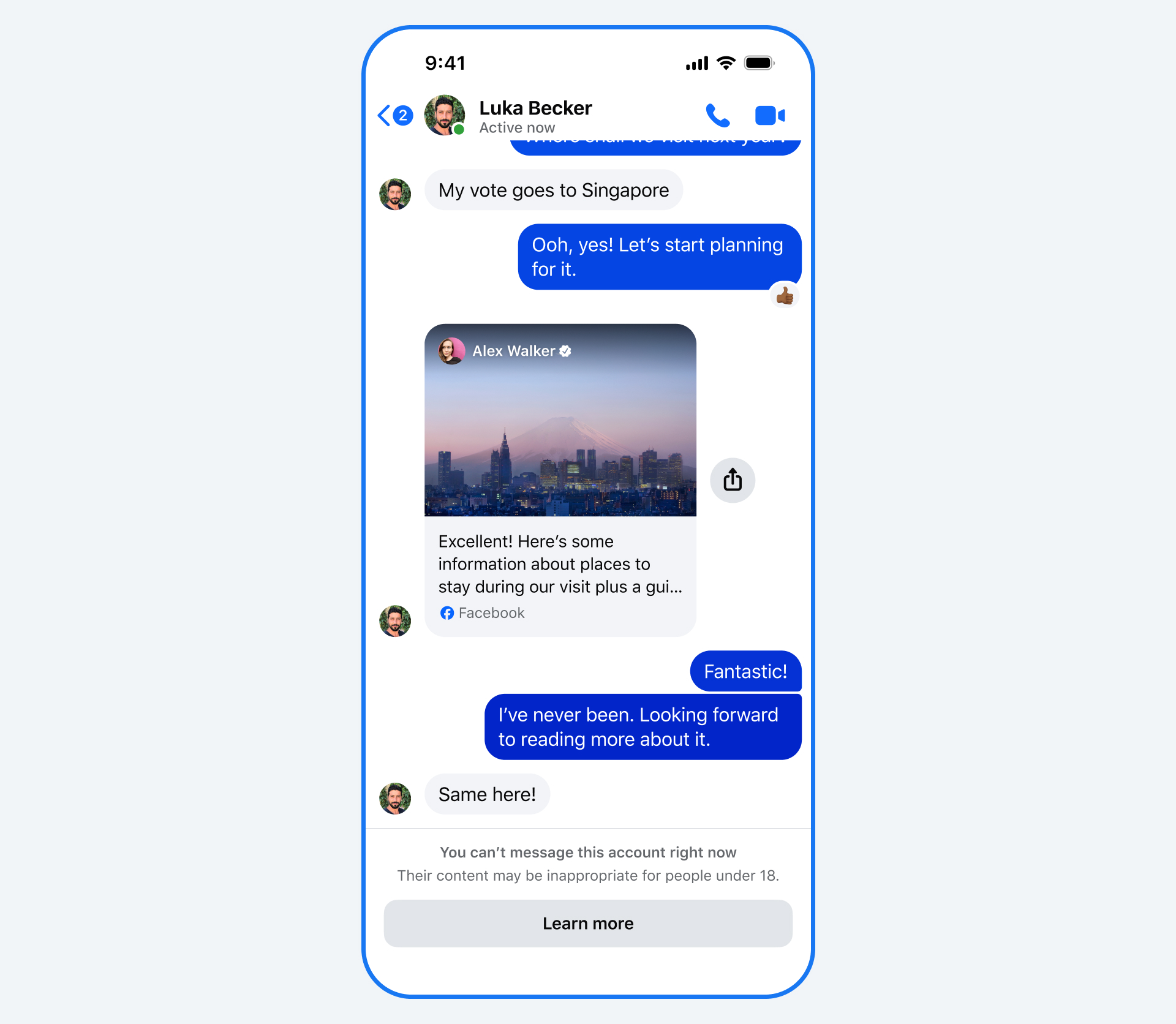
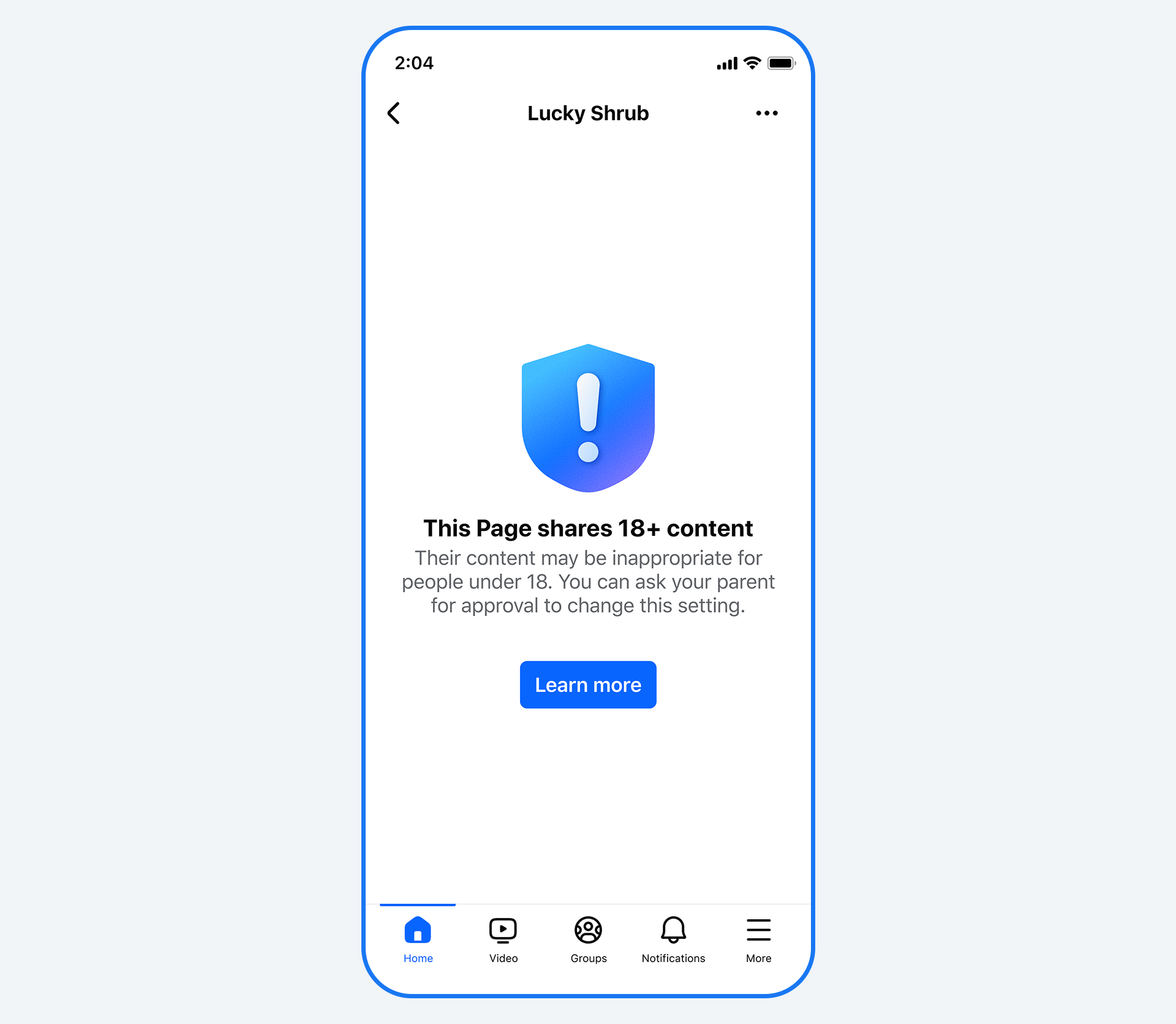
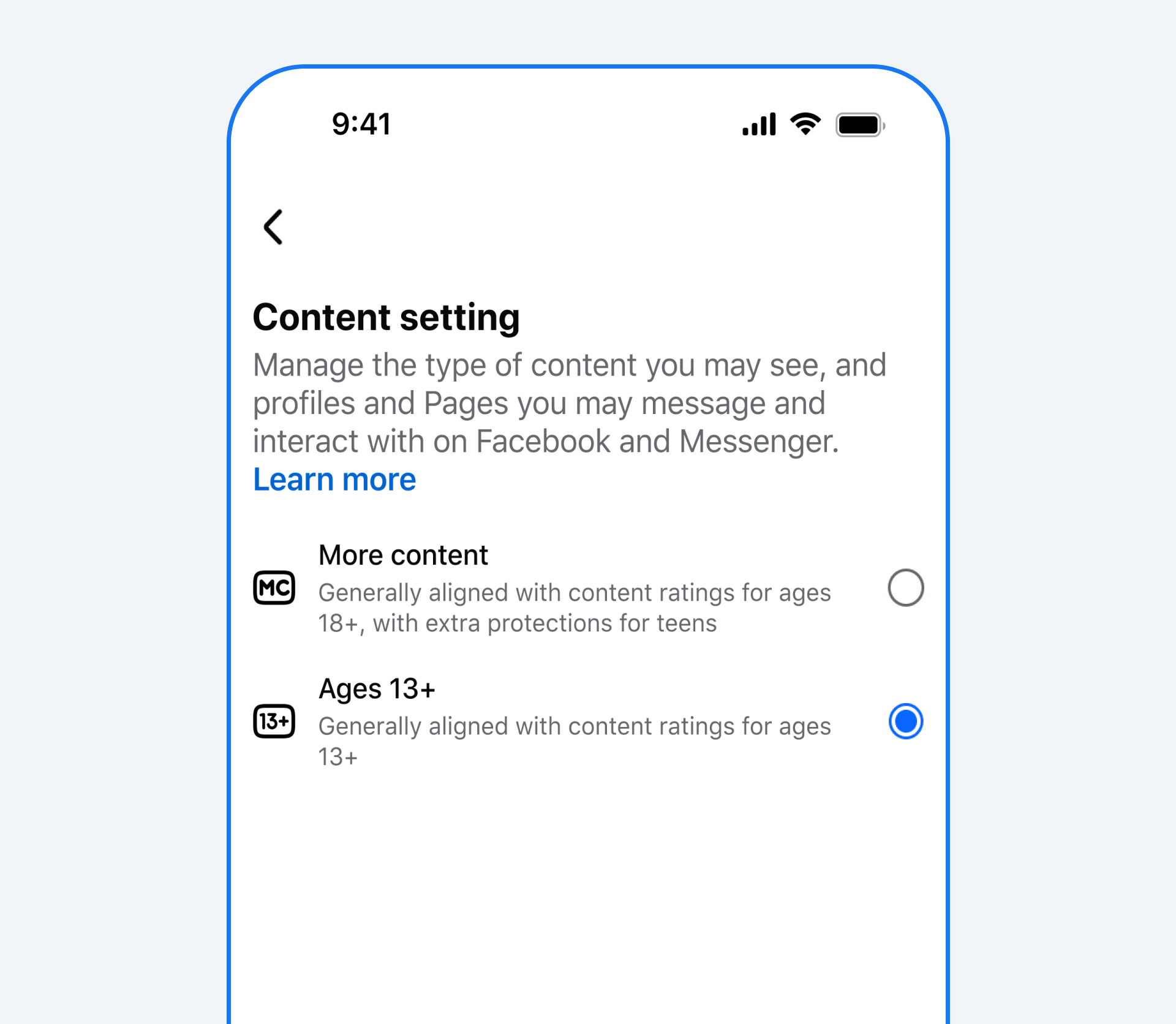
In a new update, the company says its 13+ content settings for Teen Accounts are expanding globally across Instagram, Facebook, and Messenger. The setting is designed to help teens see age-appropriate content by default, and Meta says it was inspired by movie ratings criteria and parent feedback.
That detail matters. This is not just another safety toggle buried in settings. Meta is trying to make “appropriate for teens” feel more legible to parents, regulators, and advertisers by borrowing from a language people already understand: age ratings.
A default, not a suggestion
The most important word in Meta’s announcement is “default.” The new 13+ content setting is being applied to Teen Accounts, rather than presented only as an optional control a parent or teen must discover later. That changes the center of gravity.
Instagram, Facebook, and Messenger are very different products. One is heavily visual and creator-led, one is still the broad social graph, and one is private messaging. By expanding the setting globally across all three, Meta is treating teen safety as a cross-platform product standard, not a feature attached to a single app.
This also gives Meta a cleaner story to tell externally. Instead of explaining different teen protections app by app, it can point to a shared 13+ baseline across three of its biggest social surfaces.
Why movie ratings are doing so much work here
Meta says the setting was inspired by movie ratings criteria and parent feedback. That is a very deliberate framing. Movie ratings are imperfect, but they are familiar. A parent may not understand every recommendation signal on Instagram, but they understand the idea that some content should be suitable for a 13-year-old and some should not.
The “13+” label also does something Meta needs: it makes moderation feel less mysterious. Content safety on social platforms often sounds abstract because it depends on policies, classifiers, user reports, enforcement decisions, and local context. A 13+ setting turns that into a simpler promise: teens should, by default, see content that fits their age range.
The comparison to movie ratings also helps Meta move the conversation away from individual pieces of content and toward a broader content environment. That is useful when the product is not a film with a fixed beginning and end, but an endless feed, a social inbox, and recommendation systems that keep changing in real time.
Why brands and marketers should care
For brands, this is another reminder that youth-facing social media is becoming a more controlled space. Meta’s announcement names three major environments, Instagram, Facebook, and Messenger, and ties them to a default age-appropriate setting for Teen Accounts. That affects the context around content, creator partnerships, and paid media planning.
Marketers targeting younger audiences cannot only ask whether a campaign is allowed. They also need to ask whether the surrounding platform experience is being filtered, ranked, or limited by teen-specific settings. If a brand relies on edgy creator formats, meme accounts, entertainment clips, or comment-driven distribution, the question becomes whether those assets fit inside a 13+ environment.
This may also push brands toward clearer creative signals. When platforms define teen-appropriate content more explicitly, vague “youth culture” work gets riskier. Campaigns need to be easier to classify, easier to defend, and less dependent on ambiguity.
What still has to be proven
The obvious adoption barrier is trust. Meta can say the setting is inspired by movie ratings criteria and parent feedback, but social content is not rated before release in the same way a movie is. It is uploaded constantly, remixed, recommended, messaged, and resurfaced by users and systems.
That means the hard part is not the label. It is enforcement at scale across Instagram, Facebook, and Messenger. Parents will want to know what “13+” actually blocks, what it still allows, how quickly mistakes are corrected, and whether teens can work around the defaults.
There is also a creator-side friction point. If more content is evaluated through teen suitability defaults, creators may feel pressure to sanitize posts even when they are not explicitly making content for teens. The safer the teen layer becomes, the more visible the boundary becomes for everyone else.
The new safety pitch is clarity
Meta’s move lands at a time when platforms are under pressure to show that teen protections are not just policies written for lawmakers, but product choices built into everyday use. A global 13+ default across Instagram, Facebook, and Messenger gives Meta a more concrete answer.
But the real test will be whether parents experience the setting as a meaningful guardrail, or simply as a more polished label on the same messy feed dynamics. Meta is borrowing the language of movie ratings. Now it has to prove that an endless social feed can actually behave like something with an age rating.
Also Read:
Meta Launches Plus Subscriptions for Facebook, Instagram and WhatsApp
AppLovin Launches Its Own TikTok Rival
Instagram Adds A Built-In Teleprompter For Reels Creators