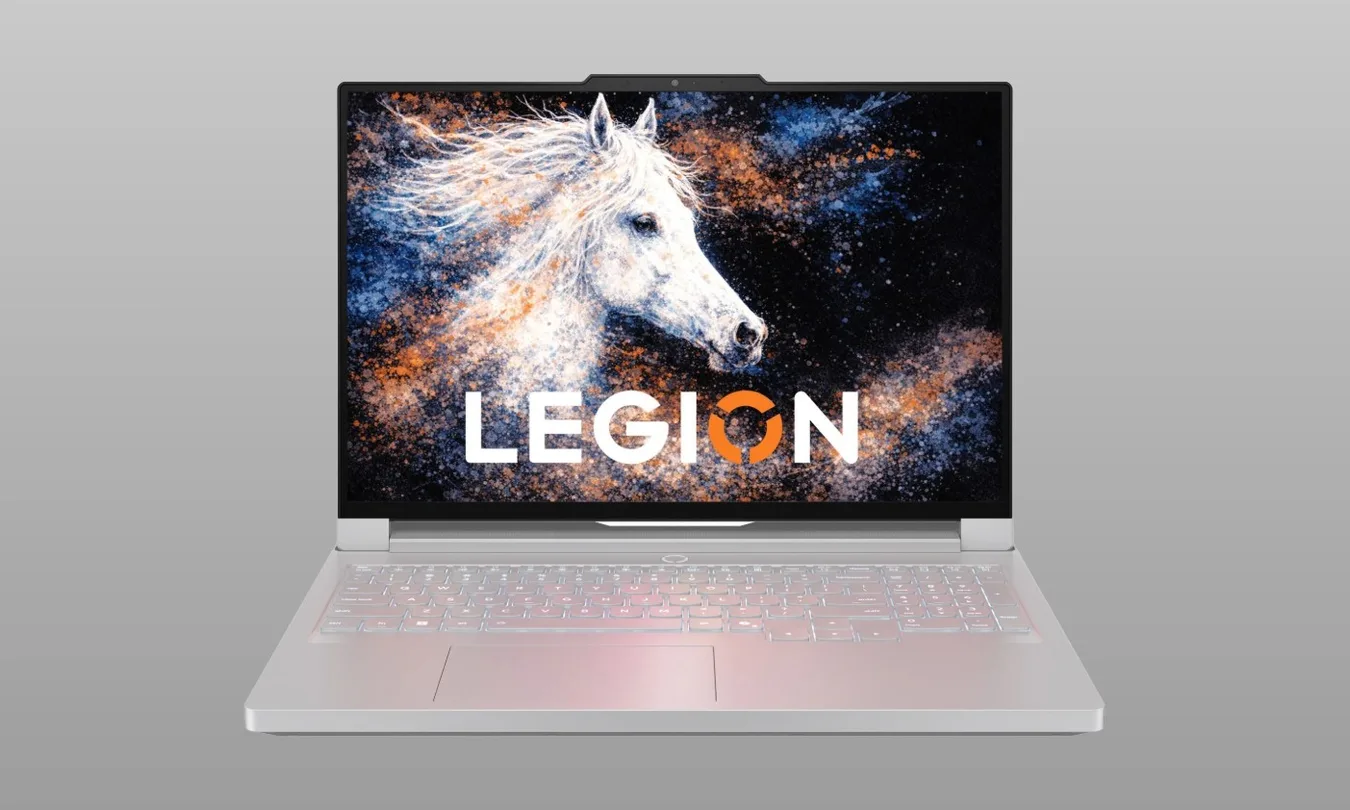
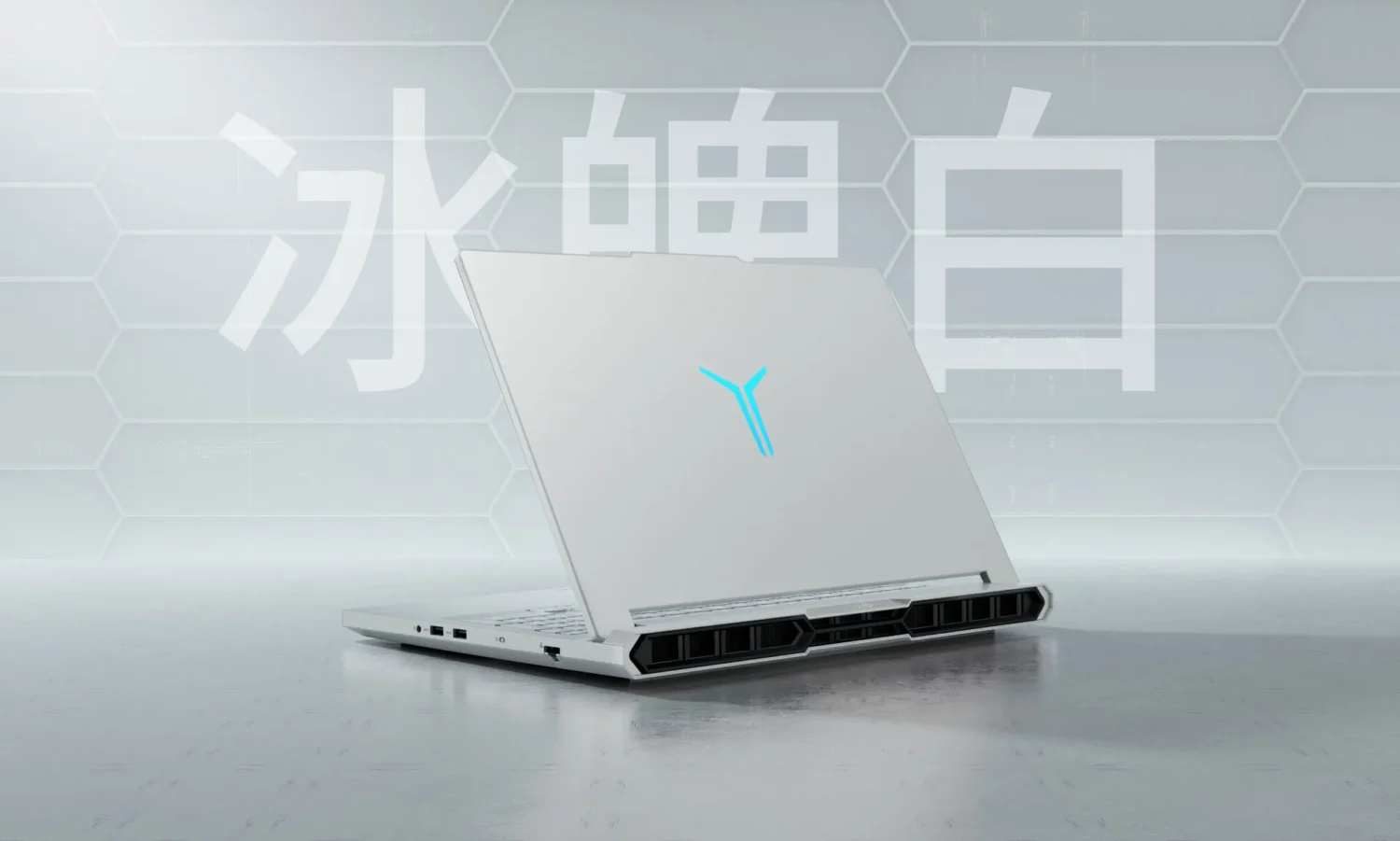
Gaming laptop specs usually read like a race to the biggest number: more frames, more brightness, more GPU, more cooling. Lenovo’s new Legion R9000P is different because the most interesting part is not just the screen. It is how that screen is made.
The new machine is being described as the first laptop to feature an inkjet-printed OLED display, Digital Trends reports. The panel is still very much a gaming display on paper: it offers a 240Hz refresh rate, covers more than 99% of the DCI-P3 color space, and sits inside Lenovo’s Legion R9000P gaming laptop line. But the production method is the real signal.
Inkjet-printed OLED is exactly what it sounds like: OLED materials are deposited with a printing-like process rather than through more traditional evaporation methods. For years, that has been one of the promises around next-generation OLED manufacturing: less material waste, potentially lower production costs, and a path to scaling high-end panels more efficiently.
Now that promise is starting to show up in a consumer gaming laptop, not just in a lab demo or a future-facing display trade show.
The screen spec is the easy part
On the surface, Lenovo’s pitch is familiar. A 240Hz OLED panel is built for high-frame-rate gaming. Over 99% DCI-P3 coverage makes it relevant for creators and anyone who cares about color accuracy. And the Legion branding positions the R9000P squarely in the performance laptop category, where display quality has become almost as important as raw graphics power.
That matters because OLED used to be the premium visual upgrade you paid for when you wanted richer contrast, deeper blacks, and better media playback. In gaming laptops, it has increasingly become a performance feature too. Faster refresh rates and better color are no longer separate buying decisions; they are being bundled into the same experience.
Lenovo’s move pushes that one step further. The display is not just a better surface for playing games or editing video. It is also a proof point for a manufacturing shift that could influence what premium screens cost, how widely they appear, and how quickly brands can move OLED into more mainstream hardware.
That is the useful part to watch. Not whether one gaming laptop has a beautiful panel, but whether inkjet printing can help OLED stop feeling like a luxury tax across the wider PC market.
Gaming laptops are becoming display test beds
Gaming laptops are a logical place for this kind of first. The audience already understands refresh rates, color coverage, response times, and the difference a screen can make. It is also a category where manufacturers can justify early premium components before those components move into broader consumer lines.
In that sense, the Legion R9000P is less about one laptop and more about where display competition is moving. Performance PCs are no longer only competing on chips. They are competing on the quality of the interface between the machine and the person using it.
For creators, streamers, and gaming communities, that changes expectations quickly. A laptop that can handle high refresh gameplay and serious color work on the same panel collapses two use cases into one device. For hardware brands, it means display storytelling becomes more than a spec sheet flex. The way the panel is produced may become part of the value proposition.
That is still a big “if.” One laptop does not prove inkjet-printed OLED is ready to reshape the whole category. Availability, pricing, durability, and scale will matter more than the novelty of being first.
But firsts have a way of setting expectations. If Lenovo can turn a manufacturing breakthrough into a visible consumer benefit, the next battle in premium laptops may not be about whether OLED looks better. It may be about who can make that kind of screen feel normal.
Also Read:
Instagram Is Thinking Beyond Reels, Eyeing Long-Form Content for TV
Spotify’s AI DJ Now Speaks French, German, Italian, and Brazilian Portuguese
LinkedIn Is Using AI To Rethink How Your Feed Actually Works