


After unsuccessfully trying to buy TikTok last year, adtech giant AppLovin is taking a different route: building its own social platform.
The company has quietly launched a new app called **Gist**, an invite-only social feed that feels like a mix between TikTok, Lemon8, Pinterest, and RedNote. Users can browse videos, photo carousels, mini-games, lifestyle content, travel recommendations, career advice, and even AI-generated posts, all organized around personal interests.
At first glance, Gist looks like just another TikTok challenger. But the real story is who is building it.
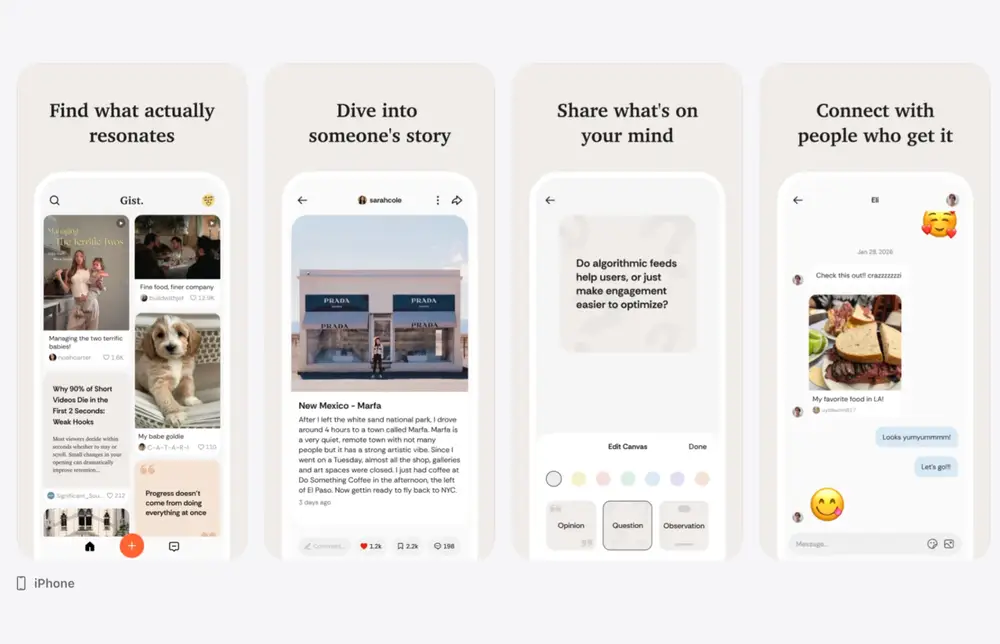
AppLovin isn’t a social media company. It’s one of the biggest advertising technology companies in the world. The business built its empire by helping mobile apps acquire users, optimize engagement, and monetize attention. Now, instead of simply powering ads across other platforms, it appears ready to own the platform itself.
The move comes less than a year after AppLovin made headlines for attempting to acquire TikTok’s international operations amid the platform’s uncertain future in the United States. That bid ultimately failed, but it revealed something important: AppLovin doesn’t just want access to audiences. It wants control of the ecosystem.
According to Business Insider, Gist is already recruiting creators and awarding select users “founding creator” status as it quietly builds out its content network before a wider public launch. The strategy mirrors a familiar playbook: attract creators first, generate content supply, then scale distribution.
The bigger question is whether an adtech company can successfully build a social platform in 2026.
Most new social apps fail because technology is rarely the problem. Community is.
TikTok, Instagram, Reddit, and even emerging platforms like RedNote didn’t grow because of better infrastructure. They grew because people found culture, identity, belonging, and entertainment there. Building feeds is easy. Building habits is hard.
Still, AppLovin brings something most startups don’t: a massive advertising machine, deep algorithmic expertise, and a business model already built around attention. With a market cap exceeding $160 billion and growing ambitions in ecommerce advertising, Gist could become more than a side project. It could be the company’s attempt to vertically integrate the entire attention economy.
Whether users actually want another social network is a different question entirely.