


LinkedIn is spending more time trying to make its feed feel worth returning to. That effort may be starting to show, with user time reportedly up 15% year over year in the company’s latest quarter. But the bigger signal is where LinkedIn is placing its bets: feed quality, creator-led advertising and tools that make professional activity more useful.
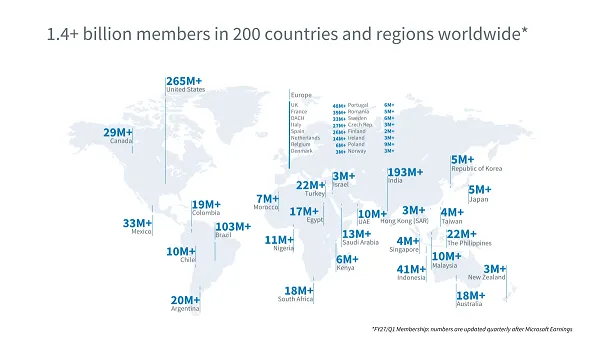
LinkedIn has also passed 1.4 billion members, up from 1.3 billion in the previous quarter. That is a striking scale number, although it should not be confused with active users. Social Media Today notes that LinkedIn’s available regional data has put active usage at roughly 28% to 30% of members in the EU.
LinkedIn is trying to make engagement feel more credible
The platform’s recent product work gives the engagement figure some useful context. LinkedIn introduced a way to report AI-generated “slop,” continued action against engagement pods and paid automated engagement tools, and began testing a Network tab designed to make interaction with known contacts easier. It also rolled out interface changes intended to encourage more engagement.
Those moves point to a platform trying to solve a specific problem. More content does not automatically create more value, particularly when professional feeds are filled with low-effort automation, recycled advice and synthetic posts. LinkedIn’s growth depends on making the feed feel relevant enough to browse and trustworthy enough to act on. That effort is part of a wider trust push, as LinkedIn’s fight against fake profiles and work histories also shows.
The commercial upside is already visible
The reported advertising figures show why that work matters. Paid video ads were up 25% year over year, while ads featuring creators increased 63%. LinkedIn is also expanding ways for brands to find relevant creators and giving creators more opportunities to participate in advertising revenue.
That combination makes creator content part of LinkedIn’s attempt to improve both attention and advertising performance. The platform is not simply chasing more minutes. It is trying to turn higher-quality professional attention into a stronger commercial product, while its agentic hiring tools now serve 25,000 customers and Premium Company subscriptions are up 121%.
The tension is that LinkedIn’s member count is growing faster than the evidence available about regular usage. Its next challenge is not proving that the network is large. It is proving that people keep coming back because the experience feels useful, human and commercially credible.