Levi’s was told to hide its logo during the World Cup. Now it is selling the moment back to fans.
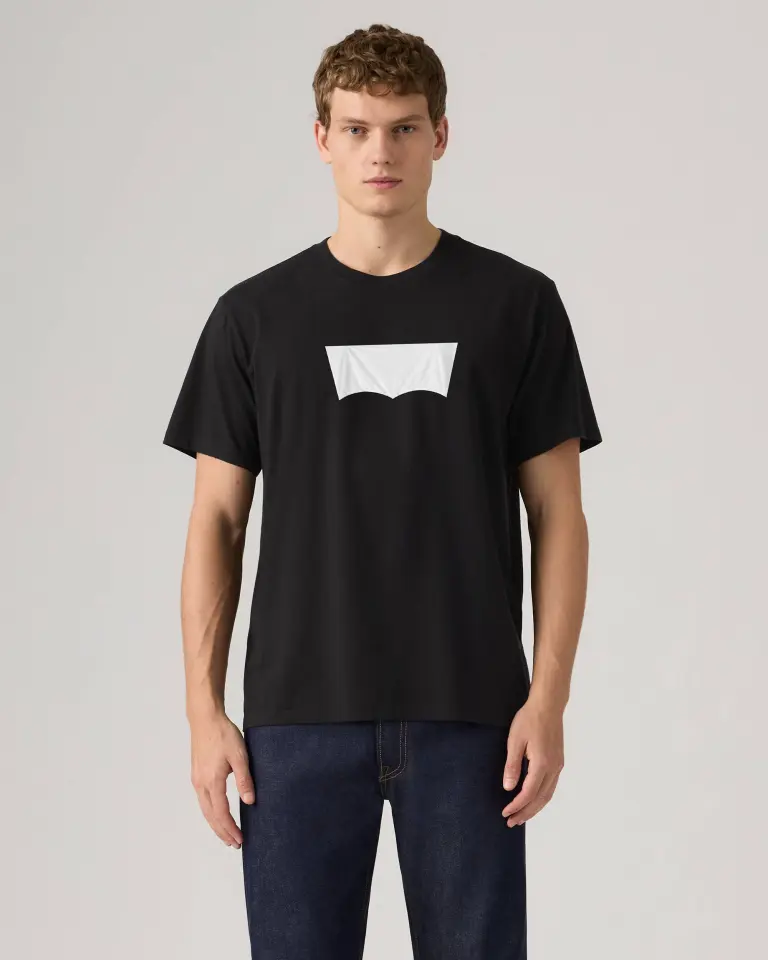
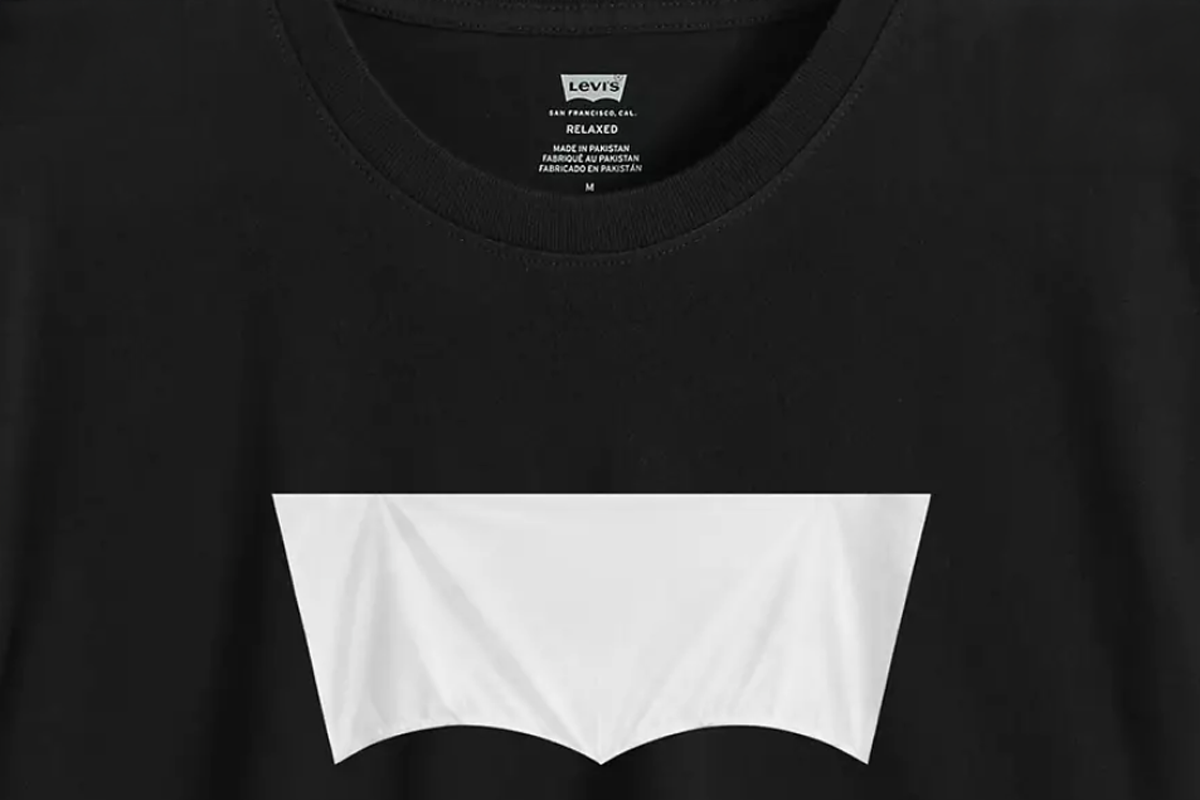
The brand has released a new “Nobody’s Gonna Know Logo Tee,” inspired by the now-viral cover-up of its famous red logo at Levi’s Stadium in Santa Clara during the 2026 FIFA World Cup.
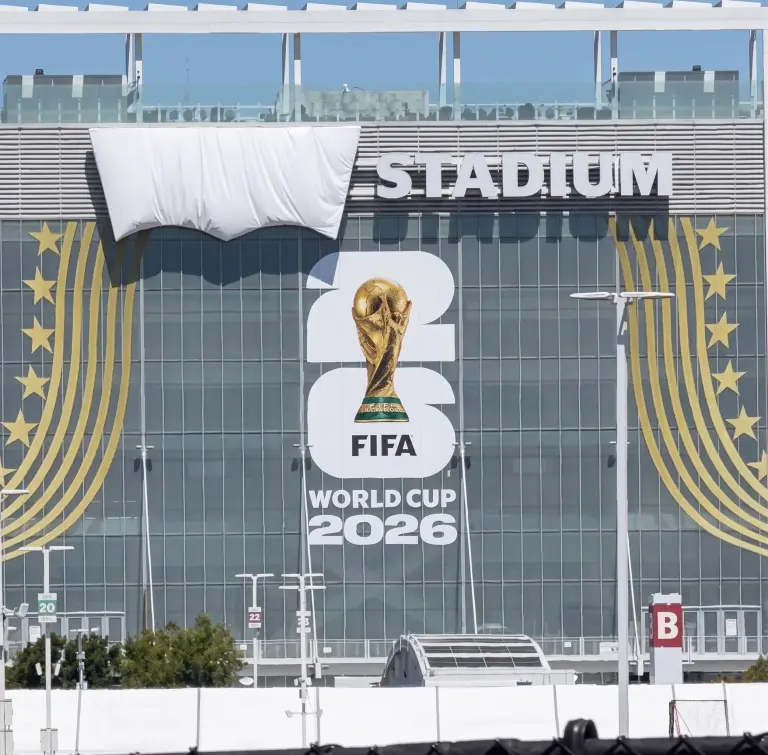
The product is a smart continuation of a story Levi’s never fully controlled in the first place. Under FIFA’s clean-stadium rules, non-sponsor branding must be removed or covered inside official World Cup venues. Since Levi’s is not an official tournament sponsor, its branding at Levi’s Stadium had to disappear for the duration of the tournament.
Except it did not really disappear.
The red logo was covered with a plain white tarp, but the shape remained instantly recognizable. What was supposed to be a compliance measure turned into a brand moment. The absence of the logo became the logo.
A Logo That Went Viral By Not Being There
The irony was too good for the internet to ignore. The white-covered Levi’s sign quickly spread across social media, helped by advertising blogger Matthieu Lamoureux, known as LLLLITL, whose post framed the move as a branding masterclass hiding in plain sight.
Levi’s then leaned into the absurdity. The brand changed its social profile picture to the covered logo, posted about the “beautiful [redacted] stadium,” and extended the visual joke to storefronts around the world.
It was a perfect case of reactive marketing because the idea did not need much explanation. FIFA wanted the logo hidden. The brand complied. But because the batwing shape is so recognizable, the covered version became even more interesting than the original sign.
For a brand, that is a rare thing. Most logos need visibility to work. Levi’s proved that, sometimes, recognition is strongest when people have to complete the image themselves.
A T-Shirt That Sells The Absence Of A Logo
The “Nobody’s Gonna Know Logo Tee” takes that exact tension and turns it into merchandise.
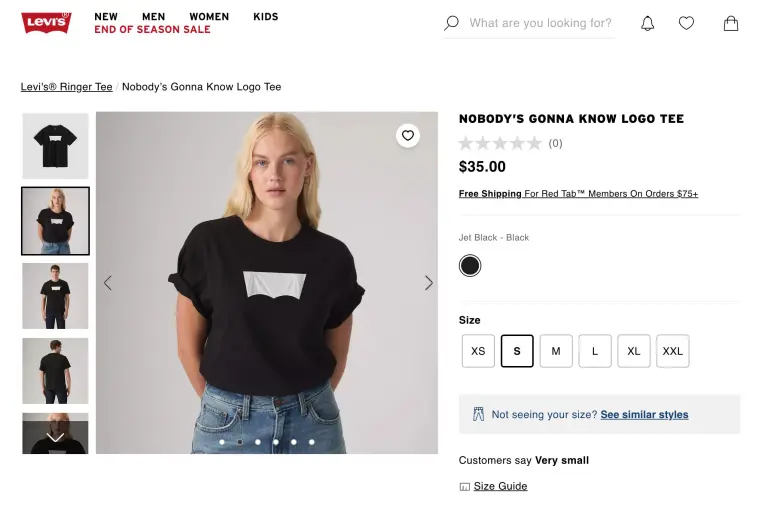
Listed on Levi’s US site for $35, the black relaxed-fit tee features the same idea: a playful take on one of the brand’s most recognizable icons, with the logo effectively removed from view. Levi’s describes it with the line, “If you know, you know,” adding: “Turns out, less can say more.”
That is the whole joke, and also the whole strategy.
The tee does not just commemorate a viral moment. It packages the cultural wink around it. The product is for people who saw the post, understood the reference, and want to wear the inside joke before it disappears from the feed.
In that sense, Levi’s is doing more than selling a T-shirt. It is extending the lifecycle of a social moment into commerce.
From Regulation To Retail
The best reactive brand ideas usually do three things quickly: acknowledge the moment, add a point of view, and give people a way to participate. Levi’s checked all three.
The first move was visual. Instead of treating the covered stadium sign as an inconvenience, the brand made it part of its own identity system. Then came the social response, which turned the compliance issue into entertainment. Now comes the product, which gives the moment a physical afterlife.
That final step matters.
Plenty of brands jump on viral conversations with a post and move on. Levi’s understood that this one had more value because it was rooted in something the brand actually owns: the strength of its visual identity. The product does not feel like a random meme slapped on merch. It feels like a natural extension of the brand’s mythology.
It also creates a subtle point about brand equity. If your logo can be removed and still be recognized, your brand system is doing its job.
The Real Win Is Brand Recognition
There is something almost funny about FIFA’s clean-stadium policy creating one of the tournament’s most memorable unofficial brand moments. The rule is designed to protect official sponsors from ambush marketing. In Levi’s case, it may have made the brand more visible.
Not because Levi’s broke the rules, but because the rules accidentally revealed how powerful its logo already is.
The “Nobody’s Gonna Know Logo Tee” is a small product, but a very sharp marketing move. It turns restriction into recognition, absence into design, and a regulatory inconvenience into a sellable cultural object.
Most importantly, it shows the difference between reacting fast and reacting well. Levi’s did not force the joke. It simply understood what everyone else was already seeing.
Turns out, less really can say more.
Also Read:
Levi’s Turns to AI-Generated Models to Increase Diversity
Levi’s Turns FIFA Ban into Branding Masterclass
Meta Is Turning AI Glasses Into A Subscription