Instagram might be best known for short-form, scroll-stopping content. But behind the scenes, the platform is quietly rethinking its future, and it looks a lot more like TV.
Speaking at the Scalable Summit, Tessa Lyons, Instagram’s VP of Product, hinted at a shift in priorities. While short-form video (largely inspired by TikTok) has dominated the platform in recent years, Instagram is now exploring how long-form content fits into its next chapter, especially on connected TVs.
“I don’t think short-form vertical content is going to be enough to succeed on TV,” Lyons explained.
That sentence alone says a lot.
From scroll to sit-back
Instagram isn’t abandoning short-form. But it’s starting to acknowledge a simple truth: what works on your phone doesn’t necessarily work on your TV.
And right now, the benchmark is clear. YouTube has become the most-watched streaming service in the U.S., outperforming traditional players like Netflix, Disney+, and Amazon Prime Video.
That’s not just a content story. It’s a behavior shift. People don’t just scroll anymore. They also lean back.
And Instagram wants a seat in that second moment.
The return of long-form… carefully
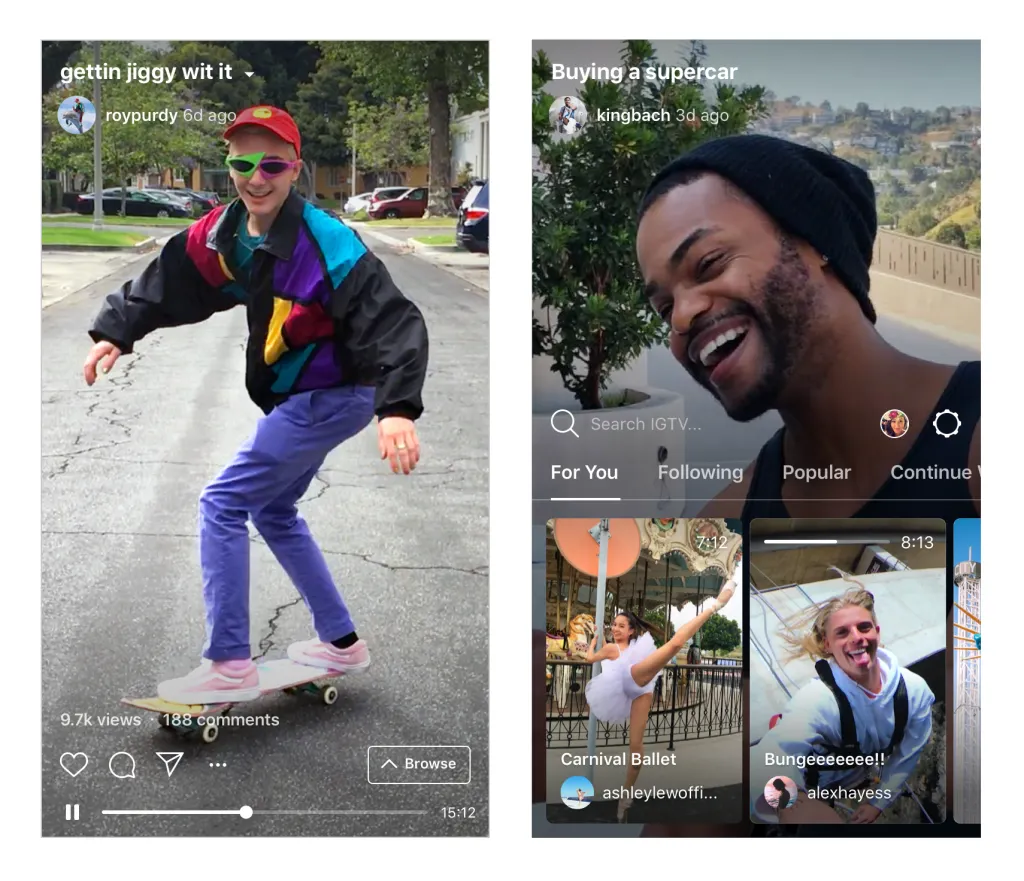
This isn’t Instagram’s first attempt. Back in 2018, the platform launched IGTV, a standalone app designed to compete with YouTube. It didn’t land. By 2022, it was shut down as part of a broader effort to simplify the app.
But the context has changed. Creators today don’t live in one format. They move between short-form, long-form, live, podcasts, often across multiple platforms. ”
Instagram’s new thinking is less about replacing one format with another, and more about becoming part of that broader ecosystem.
Lyons even suggested that, within two years, Instagram could play a “unique part” in creators’ long-form strategies, not instead of short-form, but alongside it.
What this could look like
The clues are already there.
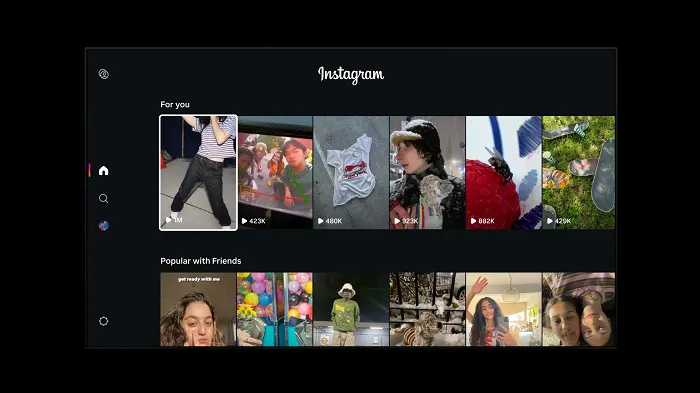
Instagram launched a redesigned CTV experience last year, borrowing heavily from YouTube’s interface. And now, it’s exploring formats that naturally fit a bigger screen:
- Podcasts
- Live streams
- Serialized content (think TikTok-style mini dramas, but extended)
In other words: content you don’t just watch, but stay with.
This isn’t just about creators. It’s about revenue.
Connected TV (CTV) is quickly becoming one of the most valuable spaces in digital advertising, offering the reach of traditional TV with the targeting of digital platforms.
If Instagram can successfully expand into long-form viewing, it opens the door to an entirely new layer of monetization.
But there’s a catch.
Instagram has trained users to consume content in bursts. Fast, endless, disposable. Rewiring that behavior won’t be easy.
Also Read:
LinkedIn Is Using AI To Rethink How Your Feed Actually Works
Bumble Is Killing The Swipe, And Betting On Something Bigger
Instagram Adds “AI Creator” Labels to Boost Transparency