After spending months each year under grey skies and limited daylight, Swedes have developed a special relationship with sunshine. IKEA has decided to celebrate that obsession by identifying what it claims is the sunniest square metre in the country and turning it into a permanent landmark.
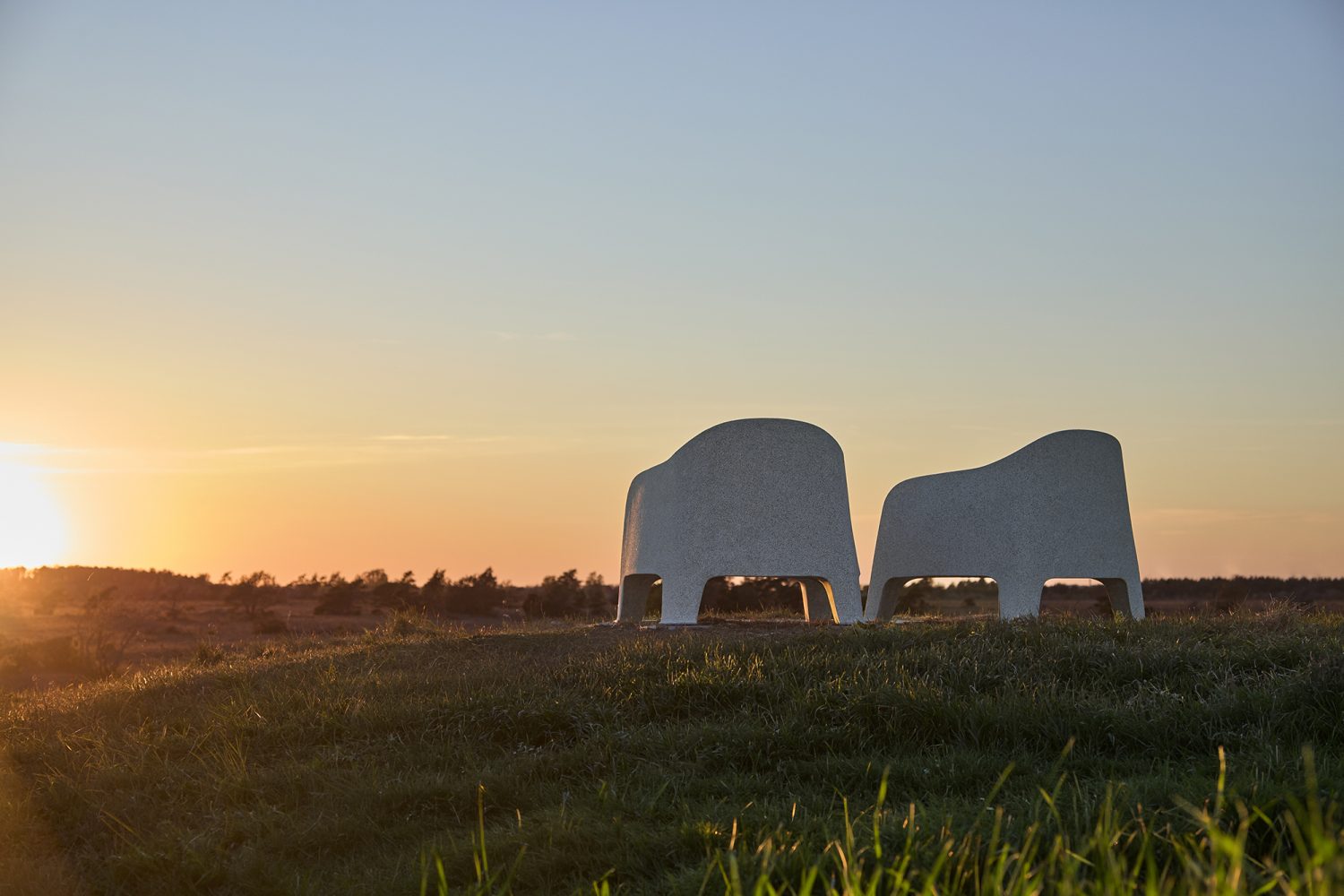
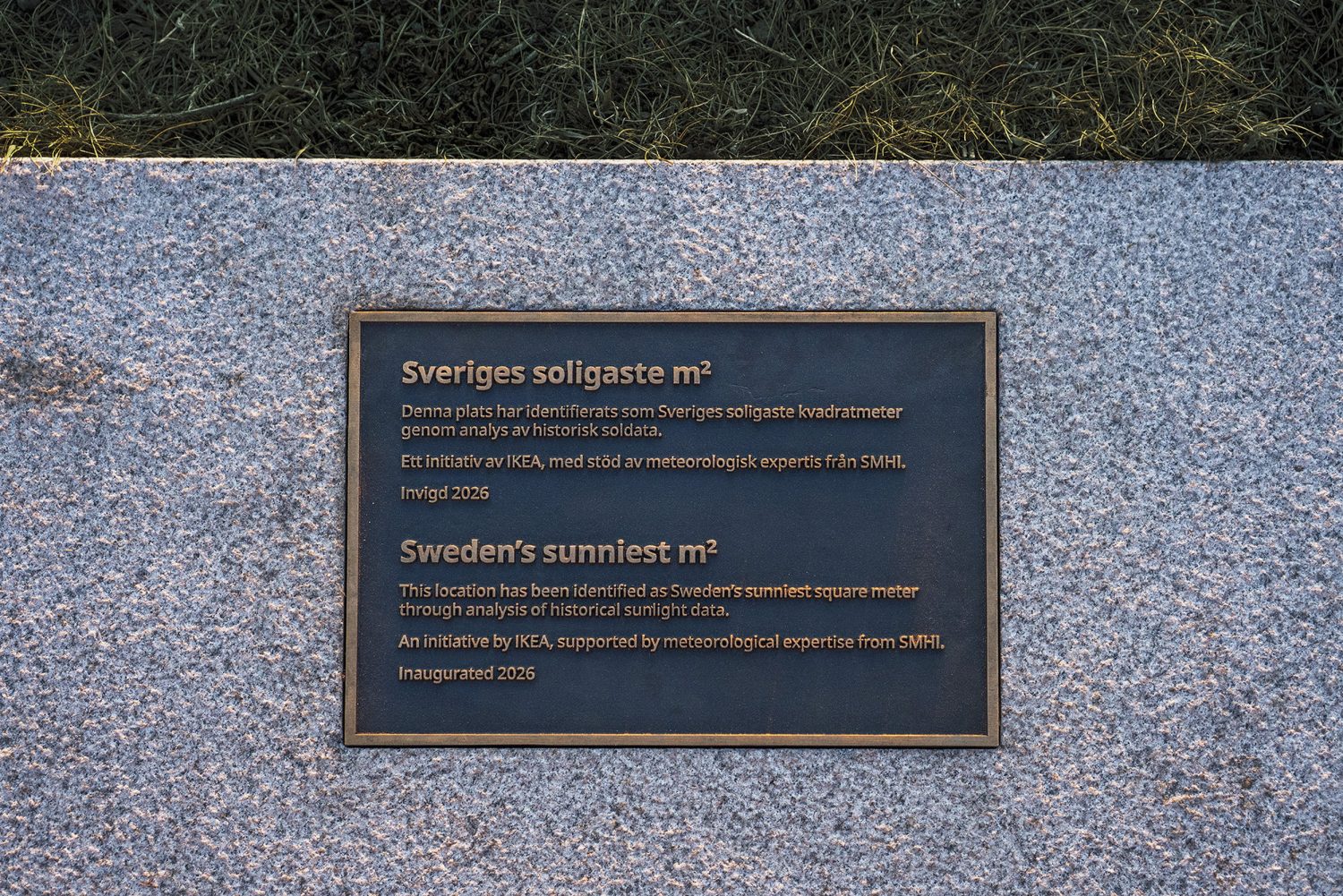
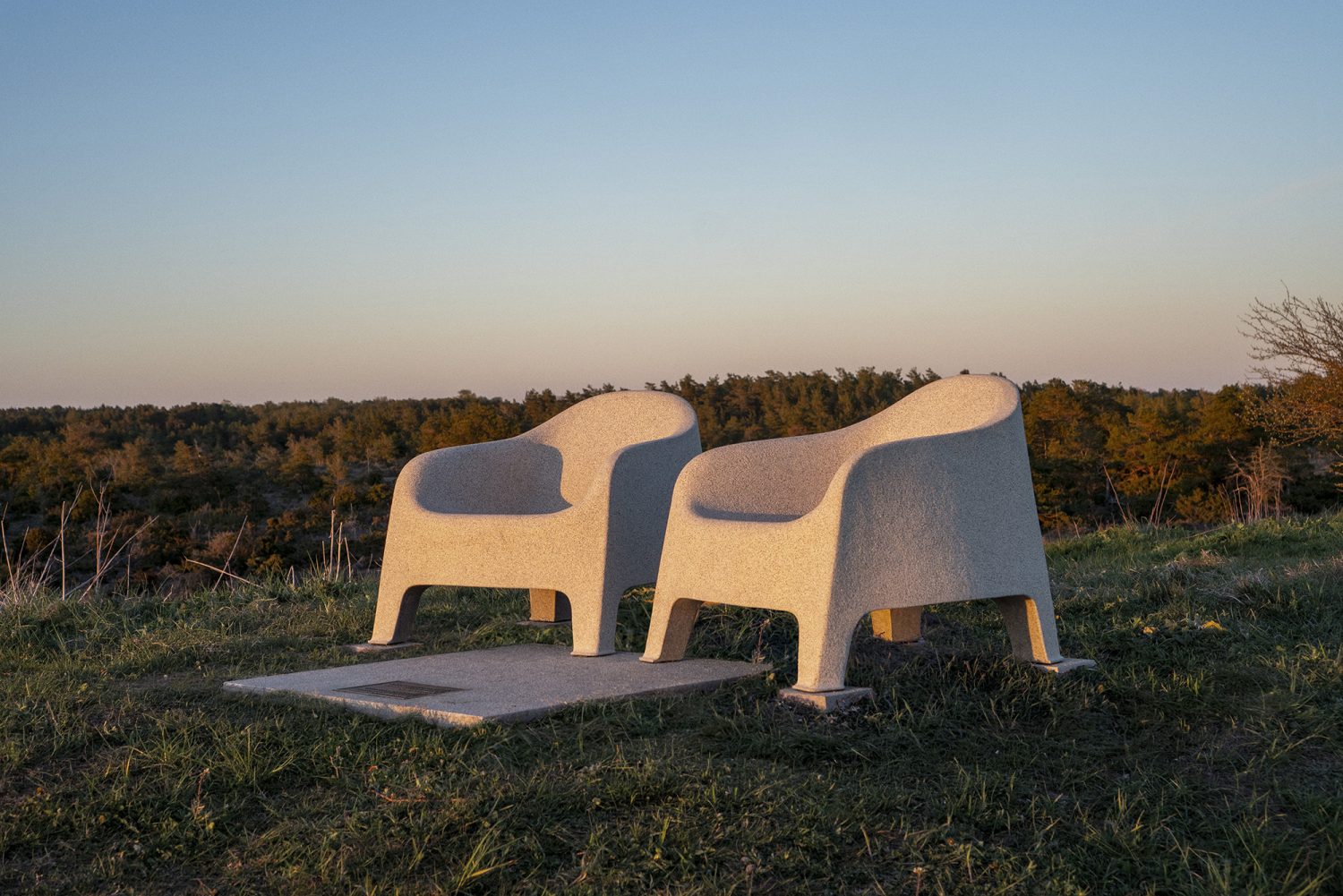
Located on the island of Gotland off Sweden’s east coast, the site has been marked with a monument featuring two stone armchairs inspired by IKEA’s SKARPÖ outdoor chair. Visitors can now travel to the exact location and sit in what IKEA describes as the country’s most sun-soaked spot.
A data-driven search for sunshine
Rather than relying on folklore or local reputation, IKEA partnered with the Swedish Meteorological and Hydrological Institute (SMHI) to analyze two decades of solar data.
Using SARAH-3, a satellite-based climate database that tracks solar radiation, the team examined sunshine distribution across Sweden between January 2005 and December 2025. The analysis identified the area estimated to have received the highest number of sunshine hours over that period.
The winning location averaged 2,137 hours of sunshine per year over the last 20 years, equivalent to nearly six hours of sunshine every day throughout the year.
Finding one exact square meter
Identifying the sunniest region was only the first step.
To determine the precise square meter, IKEA worked with architect and topographic advisor Erik Gardell. The team analyzed factors including elevation, slope, exposure and shadowing to pinpoint the exact location where sunlight had the greatest opportunity to reach the ground over time.
The final site sits in southern Gotland, southwest of Burgsvik, and is now marked with a permanent installation designed to attract visitors looking to experience Sweden’s brightest spot for themselves.
Why this campaign works
What makes the idea interesting is that IKEA has transformed a product category benefit into a physical destination.
Outdoor furniture brands usually talk about enjoying the sunshine. IKEA went a step further by identifying, measuring and commemorating the place where that promise can theoretically be experienced at its maximum. The result feels less like advertising and more like a piece of public infrastructure.
It’s also a good example of how brands can use data to create something tangible. Instead of publishing a report or launching a digital activation, IKEA turned 20 years of climate data into a monument that people can actually visit.
In a world full of campaigns designed primarily for social media, IKEA has created a real-world destination built around a simple cultural truth: after a long Scandinavian winter, every ray of sunshine matters.
Also Read:
McDonald’s Turns Its PlayPlace Into a Backrooms Nightmare
IKEA Turns Its FRAKTA Bag Into A Camera Framing The World
IKEA Just Launched the Most IKEA Product Ever