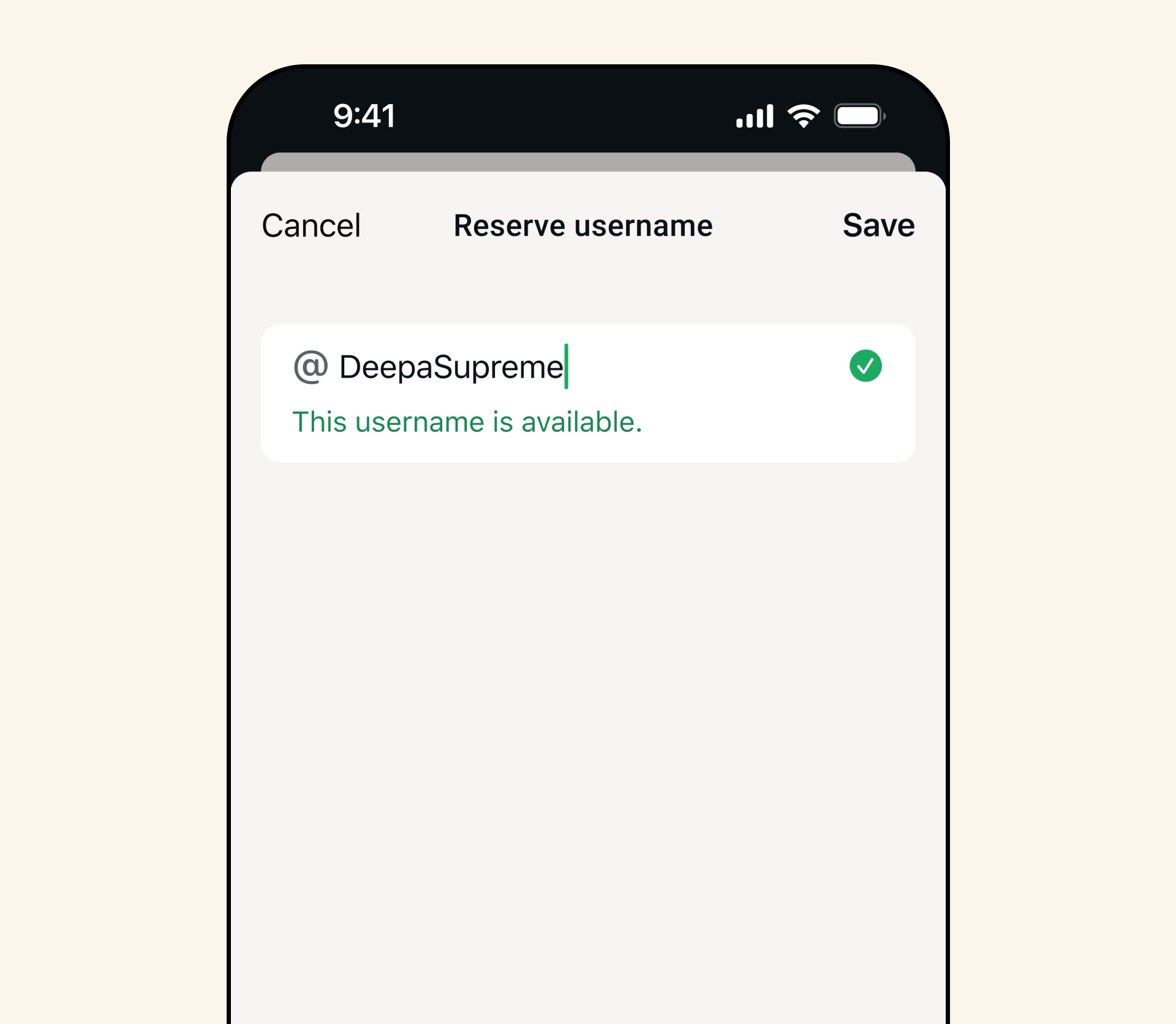
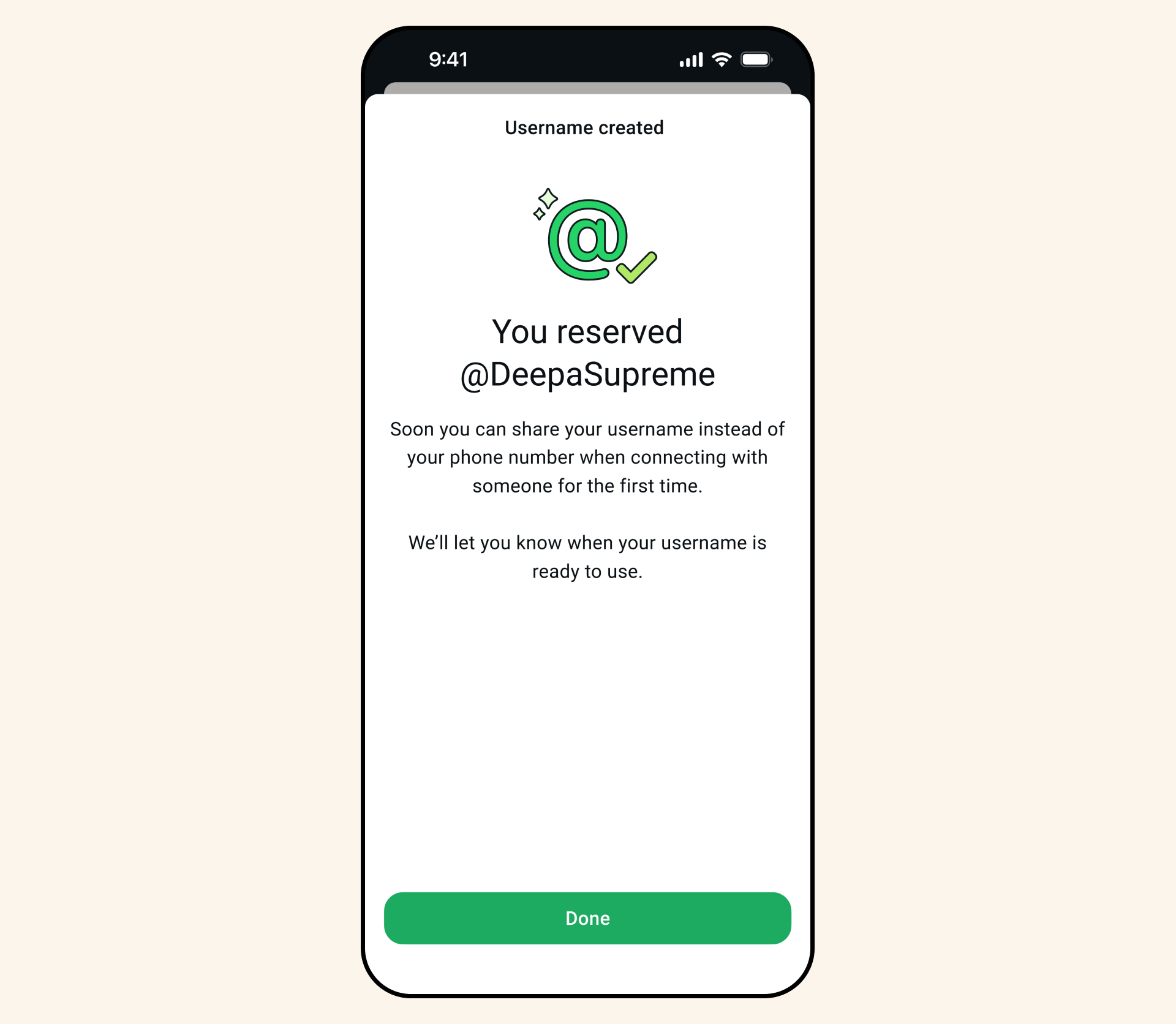
Quick Insight: WhatsApp usernames are optional handles that let people connect without immediately sharing a phone number. Username reservations are opening now where available, but WhatsApp says the feature itself will launch later this year and roll out gradually over the coming months.
WhatsApp’s phone-number-first identity is finally getting some breathing room.
Meta has announced that usernames are coming to WhatsApp, giving people a way to connect without immediately handing over their phone number. That sounds like a small settings update. It is not. For an app built around your SIM card, address book, and private chats, this is a real identity shift.
The important distinction is timing: username reservations are opening now where available, but usernames are not becoming a full contact method for everyone all at once. WhatsApp says it will notify users in the app when usernames are available in their country.
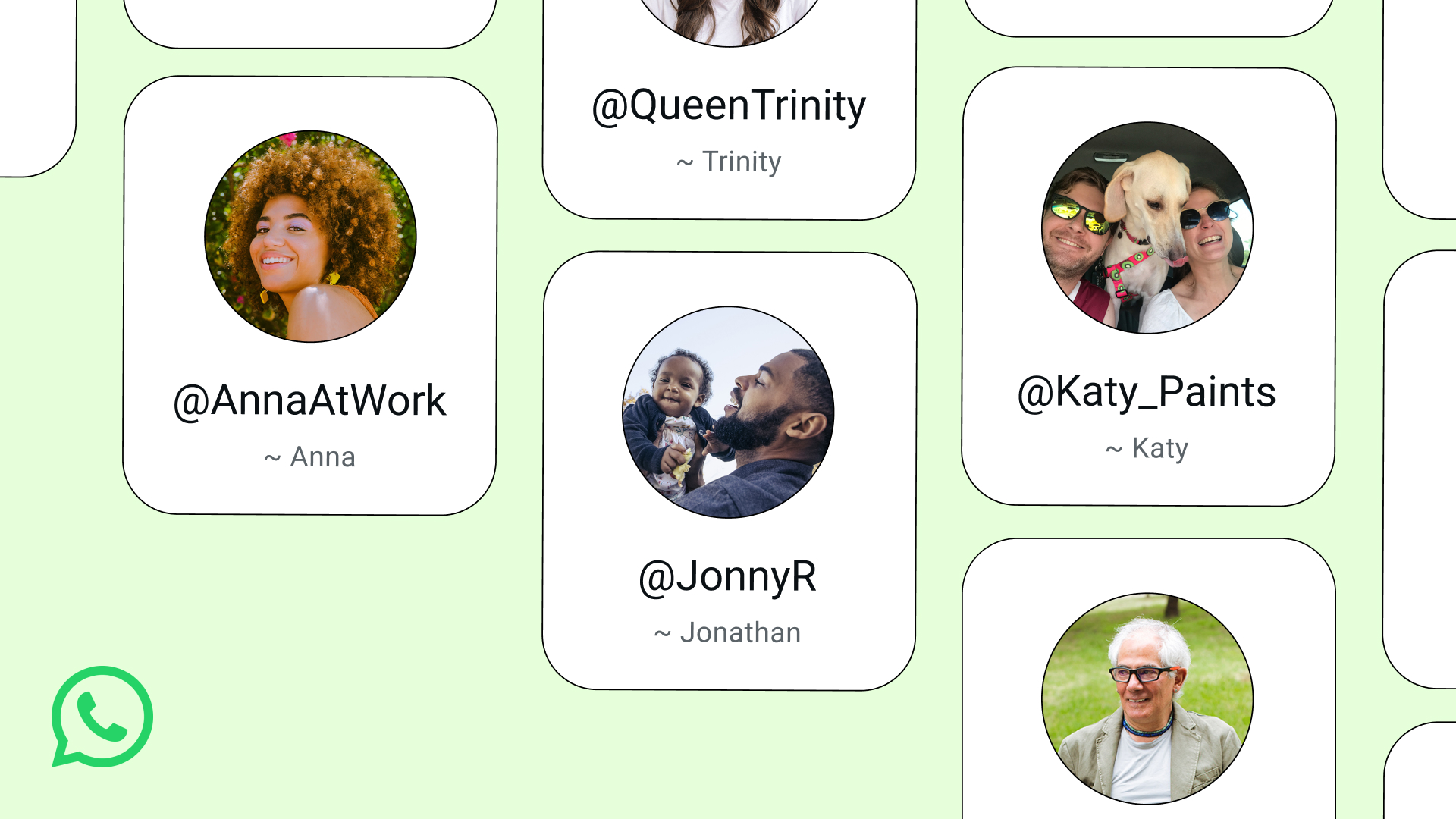
The smart part is that WhatsApp is not turning itself into another searchable social network. Meta says there will be no public username directory, no suggestions, and no people-search engine sitting on top of the app. People will need to know your exact username to contact you for the first time.
A username, not a megaphone
The core change is simple: people will be able to choose a WhatsApp username and use it to connect with others without sharing their phone number. That matters most in the places where WhatsApp already does a lot of heavy lifting: group chats, communities, marketplace-style conversations, customer support, creators talking to audiences, and small businesses fielding inbound messages.
But Meta is clearly trying to keep the product’s private feel intact. The company says username discovery will remain intentionally limited. If someone does not already know your username, WhatsApp will not help them find it through a directory or recommendation system. That is a very WhatsApp way to do identity: useful when shared, quiet when not.
There is also an optional username key. That gives users an extra layer of control over who can start a conversation with them, even if their username is known. It is a small mechanic, but it says a lot about the design tension here. WhatsApp wants usernames to reduce phone-number exposure, not become a new spam surface.
That key matters because a username alone is still easier to share than a phone number. WhatsApp says users can add an optional username key so someone needs both pieces of information before starting a conversation by username. It is a small friction layer, but in messaging, small friction can be the difference between reachability and a spam problem.
Meta is also thinking across its apps. The company says people who already use usernames on Instagram or Facebook will be able to reserve the same name on WhatsApp, which is especially relevant for creators, public figures, small businesses, and organizations that want a consistent presence online.
What usernames do, and what they do not do
Usernames do not erase phone numbers from WhatsApp. They create a new way to start a conversation without making the phone number the first thing exchanged. If someone already has your number, or if your number is already visible in an existing context, usernames do not magically rewrite that history.
They also do not create a public WhatsApp directory. There is no username search index to browse, and WhatsApp says people will need to know your exact username before they can contact you for the first time. That is the line Meta is trying to hold: easier contact, but not open discovery.
For users, that makes usernames a privacy tool. For creators, small businesses, and organizations, it makes WhatsApp easier to share publicly without turning a personal phone number into the front door.
The end of phone number as default identity
WhatsApp has always been different from social platforms because it treated your phone number as both your account and your address. That made the app feel personal, direct, and easy to use. It also made every new connection more revealing than it needed to be.
Usernames change that default. They give people a softer entry point into WhatsApp: share a handle first, decide what else to reveal later. For everyday users, that is a privacy upgrade. For creators and businesses, it is a cleaner way to be reachable without turning a personal phone number into a public asset.
The restraint matters. If WhatsApp had launched usernames with search, suggestions, and browseable profiles, it would have pushed the app closer to social media behavior. Instead, Meta is choosing a narrower model: identity without mass discovery, reachability without forced exposure.
The rollout also gives WhatsApp a safer path into more public use cases. The app can become easier to share on profiles, campaigns, customer support pages, and communities without becoming searchable in the way Instagram, Facebook, or X are searchable.
That is the real story. WhatsApp is not trying to become Instagram in chat form. It is trying to make private messaging work in a world where people increasingly need public, semi-public, and professional ways to be contacted. The strategic consequence is clear: your WhatsApp identity is becoming more portable, but WhatsApp still wants control over how visible that identity becomes.
Also Read:
WhatsApp Groups Are Finally Moving Into The Browser Call
WhatsApp Is Officially Getting Ads, But Not In Your Chats (Yet)
WhatsApp Finally Lets iPhone Users Keep Two Accounts In One App