


Vertical video was built for the phone. Vurt thinks that is only the beginning.
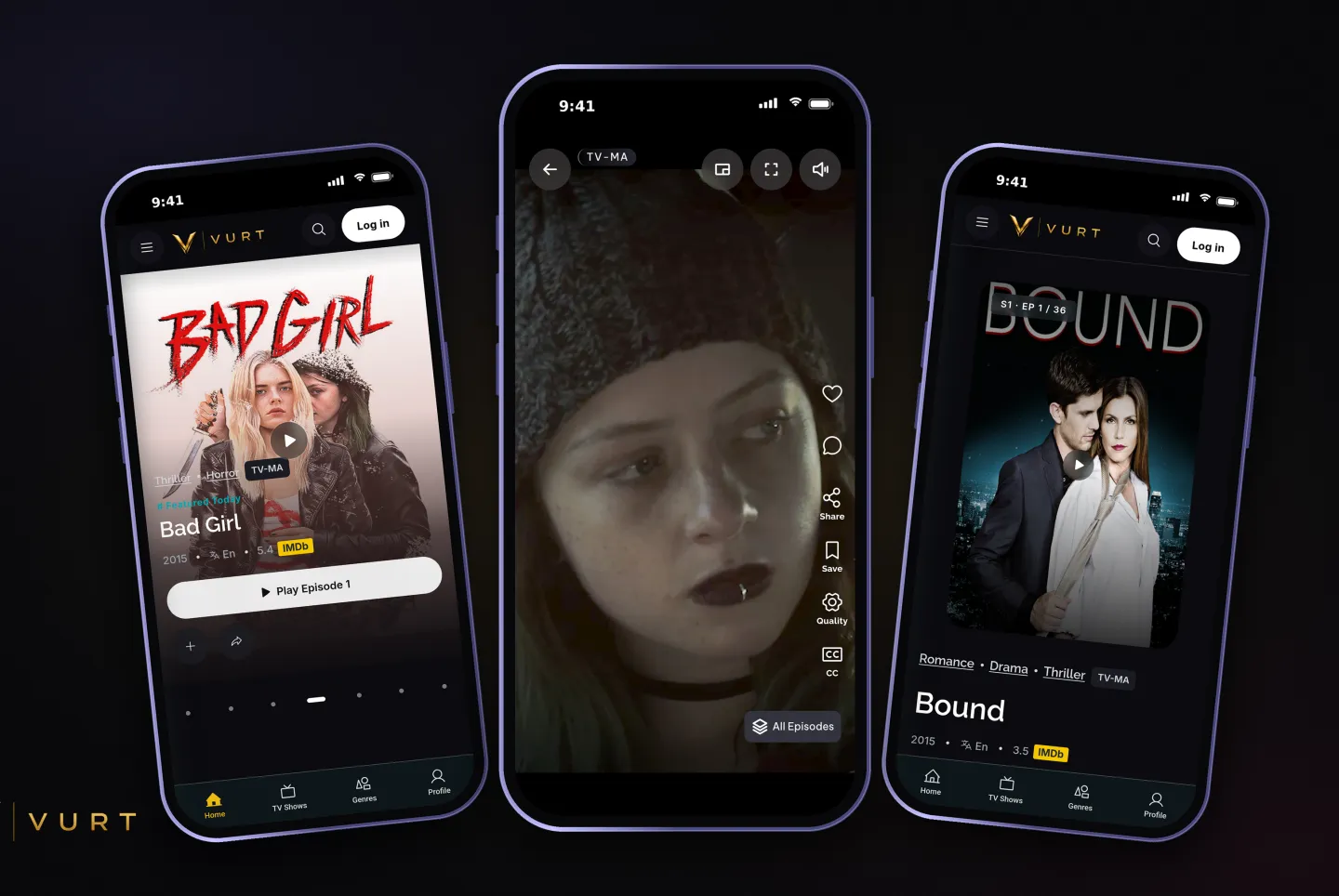
The vertical entertainment startup has launched dedicated apps for Apple TV and Android TV, bringing its short-form dramas to the biggest screen in the house. The company says its catalogue now includes 3,500 episodes across more than 100 shows. Since launching in March, Vurt’s user base has reportedly grown from 10,000 to 675,000.
Vertical stories are leaving the phone
Vurt is not trying to turn vertical series into conventional television. Its catalogue is built around the short, melodramatic microdramas that have become popular on services such as DramaBox and ReelShort. The difference is where Vurt wants those stories to live.
The company initially let viewers cast content from their phones to smart TVs. Sorey told The Verge that Vurt decided a dedicated TV experience could do more, including HD and 4K video and higher-quality audio. The company also says engagement time has increased among viewers using its television apps, partly because watching no longer requires holding a phone.
That is a meaningful shift. Vertical video is usually treated as a social format, defined by feeds, interruptions and constant thumb movement. Vurt is testing whether the format can become a distinct entertainment language, even when it is surrounded by the blank space of a widescreen display.
The creator model matters as much as the screen
Vurt’s official platform describes itself as a home for vertical filmmakers and creators, and the company says creators retain ownership of submitted work. Its reported licensing model splits revenue 50/50 between Vurt and production studios or creators. Independent filmmakers can also submit projects for consideration, with approved work potentially reaching the platform within days.
That gives the TV push a wider implication than simply adding another app to a smart-TV menu. Vurt is trying to make vertical storytelling portable across screens without abandoning the production and business model that made it attractive in the first place: short episodes, human casts and crews, and free viewing supported by advertising rather than confusing in-app currencies.
The open question is whether viewers want vertical stories on television badly enough to change their habits. Vurt’s move suggests the next stage of short-form video may not be another feed. It may be a more deliberate attempt to make phone-native formats feel at home in the living room.