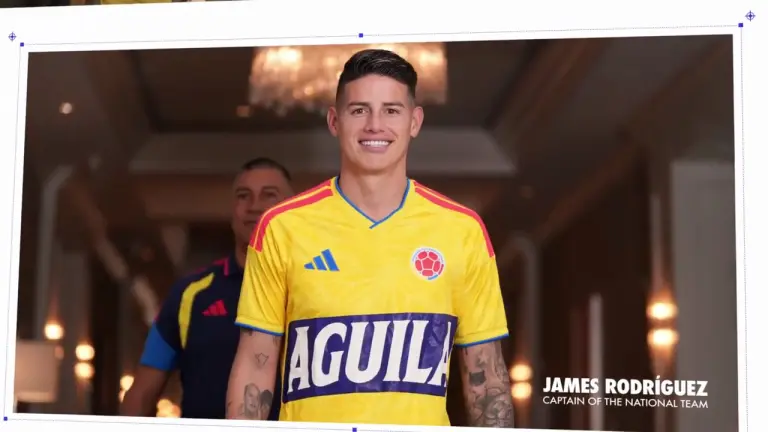
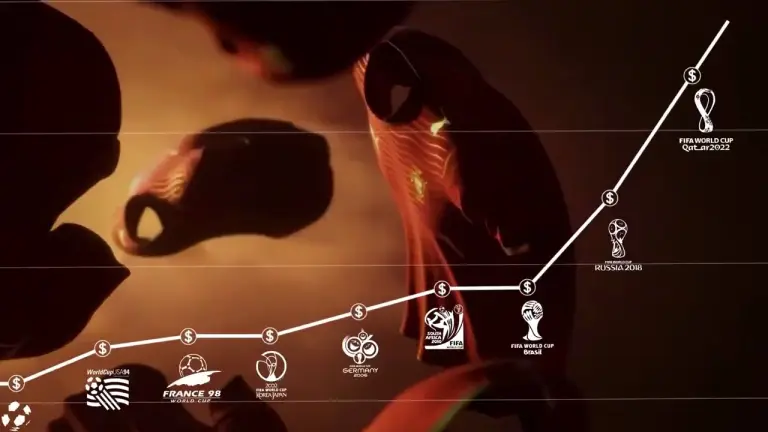
Colombia’s new national team jersey comes with a painful price tag. The authentic 2026 shirt costs $150, making it the most expensive Colombia jersey ever released and putting it beyond the reach of many of the supporters expected to wear it throughout the World Cup.
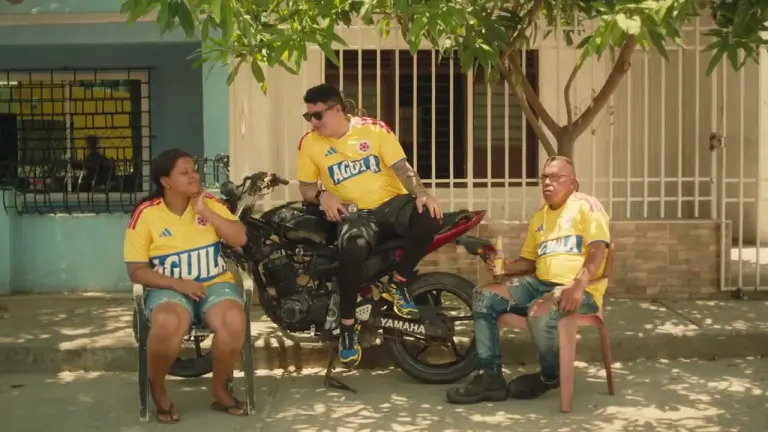
Águila, the official beer of the Colombian national team, found an unusual way to make it more affordable: let the fans become advertising space.
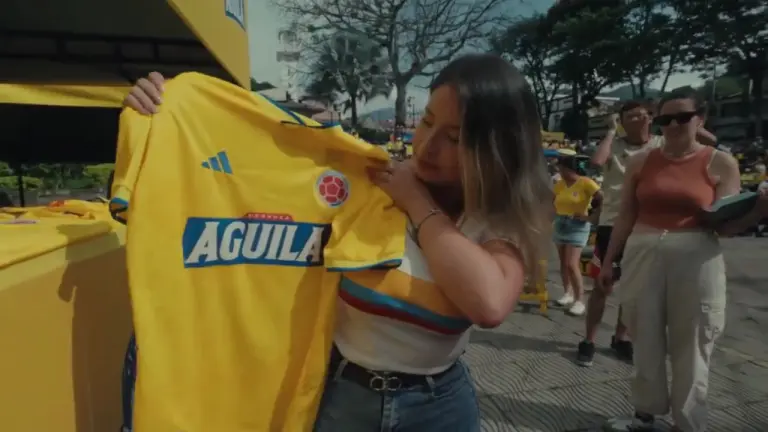
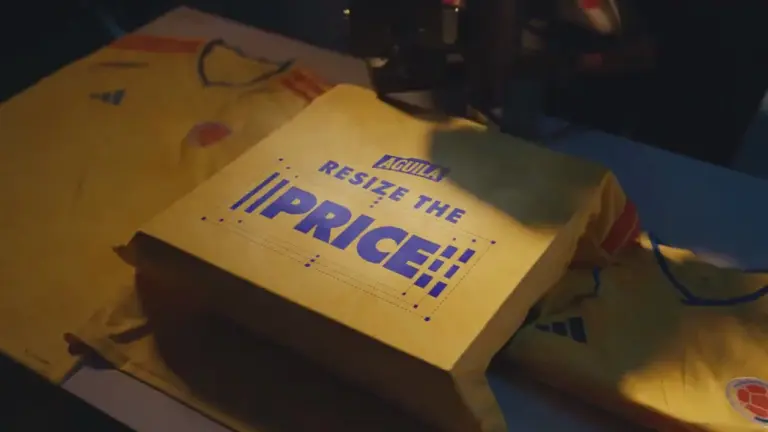
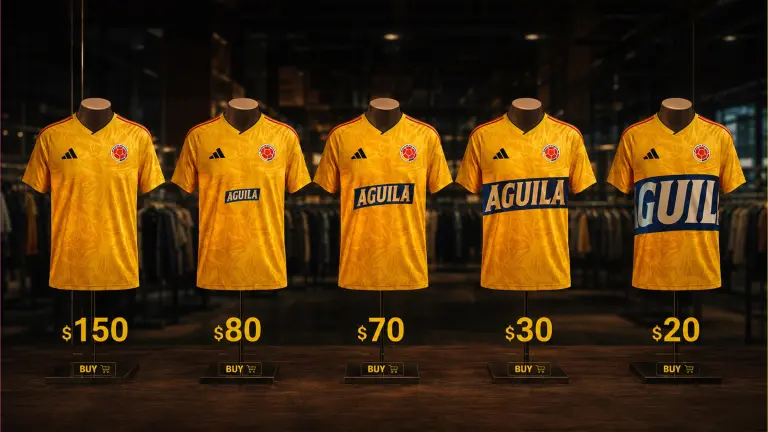
Created with agency DAVID Bogotá and Madrid, “Resize the Price” allows supporters to reduce the cost of the jersey by increasing the size of the Águila logo printed across its front.
The bigger the logo, the lower the price.
Turning advertising into a discount
The campaign reverses the usual relationship between brands and football fans. Rather than paying to place its logo on a team shirt and expecting supporters to accept it, Águila lets each customer decide how much brand visibility they are prepared to offer in exchange for a discount.
Fans who want a more traditional shirt with minimal Águila branding pay close to the full retail price. Those willing to wear a much larger logo can bring the cost down dramatically, with the most heavily branded version reportedly available for as little as $20.
It turns every centimeter of advertising space into real purchasing power.
Advertising is usually treated as the price consumers pay for accessing something else. They watch an ad before a video, scroll past sponsored content or wear a brand’s logo as part of an officially licensed product.
Here, Águila makes the transaction explicit. The supporter offers visibility. The brand offers money off.
A rare example of genuinely useful sponsorship
“Resize the Price” works because it does more than attach a clever activation to a major sporting event. It addresses a genuine tension around modern football merchandise. National jerseys are powerful symbols of identity and belonging, but rising prices increasingly make official versions inaccessible to many of the people who care most about wearing them.
Águila does not solve the broader affordability problem, but it uses its sponsorship position to give fans an alternative.
The brand is not simply asking to be seen. It is making its visibility useful.
The campaign transforms a logo from something imposed on the consumer into something the consumer can actively value. A larger logo no longer represents more corporate intrusion. It represents a better deal. It is brand utility in its most literal form.
Most fans asked for the biggest logo
The results suggest supporters understood the exchange immediately. The campaign attracted 10,254 registered users and reportedly delivered a conversion rate 17 times higher than Águila’s previous best-performing campaign. It also generated 96% positive sentiment.
Most revealingly, 93% of buyers selected the jersey featuring the largest possible Águila logo.
Rather than hiding the sponsor, fans actively chose to make it more visible because the brand had given that visibility a clear financial value. The campaign also helped Águila become the brand most strongly associated with Colombia’s national team, while increasing its overall brand power.
From shirt sponsorship to value exchange
Football sponsorship usually revolves around visibility. Brands compete for space on shirts, inside stadiums and across broadcasts, hoping repetition will eventually produce recognition and affection.
“Resize the Price” takes that model one step further by turning exposure into a transparent value exchange. The logo is no longer simply part of the design. It becomes a pricing mechanism.
That idea earned DAVID a Gold Lion in the Entertainment Lions for Sport category at Cannes Lions 2026.
More importantly, it offers a useful lesson for any brand operating inside culture: people may be willing to give brands more attention, visibility and participation when they can clearly see what they receive in return.
Águila did not make its logo smaller to win over Colombian fans. It made the benefit of wearing it bigger.
Also Read:
Heinz Turns Red And Yellow Cards Into Sauce Packets For The 2026 World Cup
Hyundai Puts Atlas Into A Live World Cup Halftime Show
Salchichería Alemana Turns Its BBQ Grill Into A Football Pitch For The World Cup