Most purpose-driven campaigns stop at the message. Tecate is trying something more tangible.
With “Welcome Back, Paisano,” the Mexican beer brand is responding to the return of Mexican workers from the United States with a campaign that combines satire, national pride and an actual employment program. Created with LePub Mexico City, the idea starts with an advertising film but extends into jobs, training and entrepreneurial support for people rebuilding their lives in Mexico.
When America Realizes Who Is Missing
The campaign film flips the usual narrative around migration and repatriation.
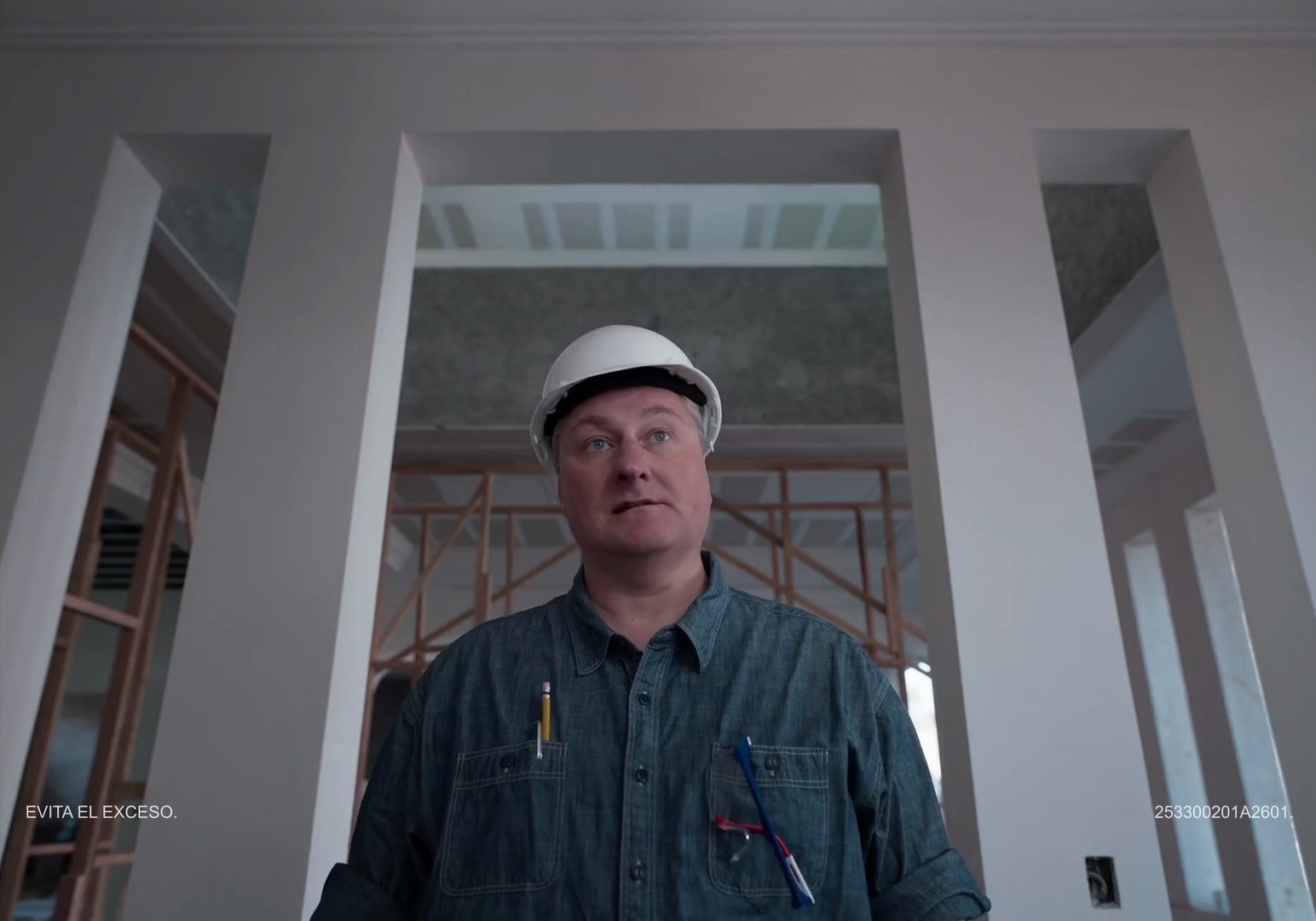
Scenes set in the United States show restaurants, construction sites, farms and households struggling after Mexican workers are no longer there. Their replacements are overwhelmed, jobs are going wrong and the absence of experienced workers becomes the joke. Meanwhile, Mexicans who have returned home confidently talk about the value of their work, with one describing himself as an “artist” at what he does.
It is deliberately provocative, but the creative idea is simple: instead of portraying returning workers primarily through the lens of displacement, Tecate presents them as skilled people whose contribution was valuable in the United States and remains valuable in Mexico.
The campaign arrives amid continuing debate over U.S. immigration and deportation policy. Heineken México says more than 160,000 Mexican nationals returned from the United States during 2025, many without an immediate support network waiting for them.
The Campaign Does Not Stop At The Ad
This is where “Welcome Back, Paisano” becomes more interesting than the film itself.
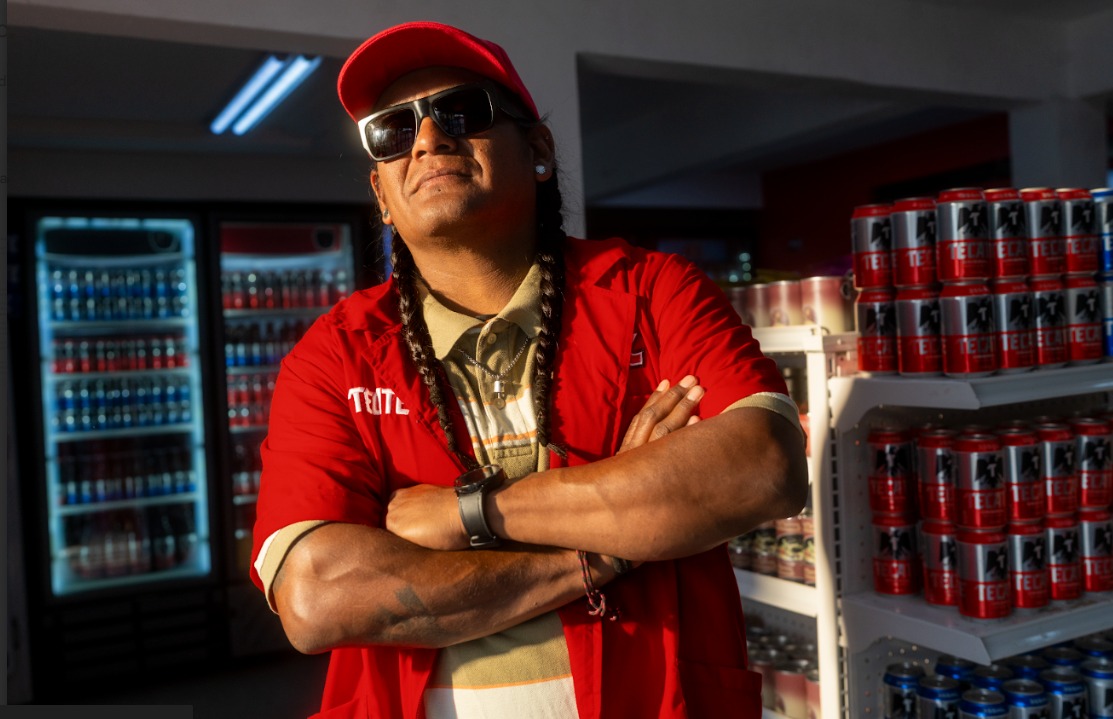
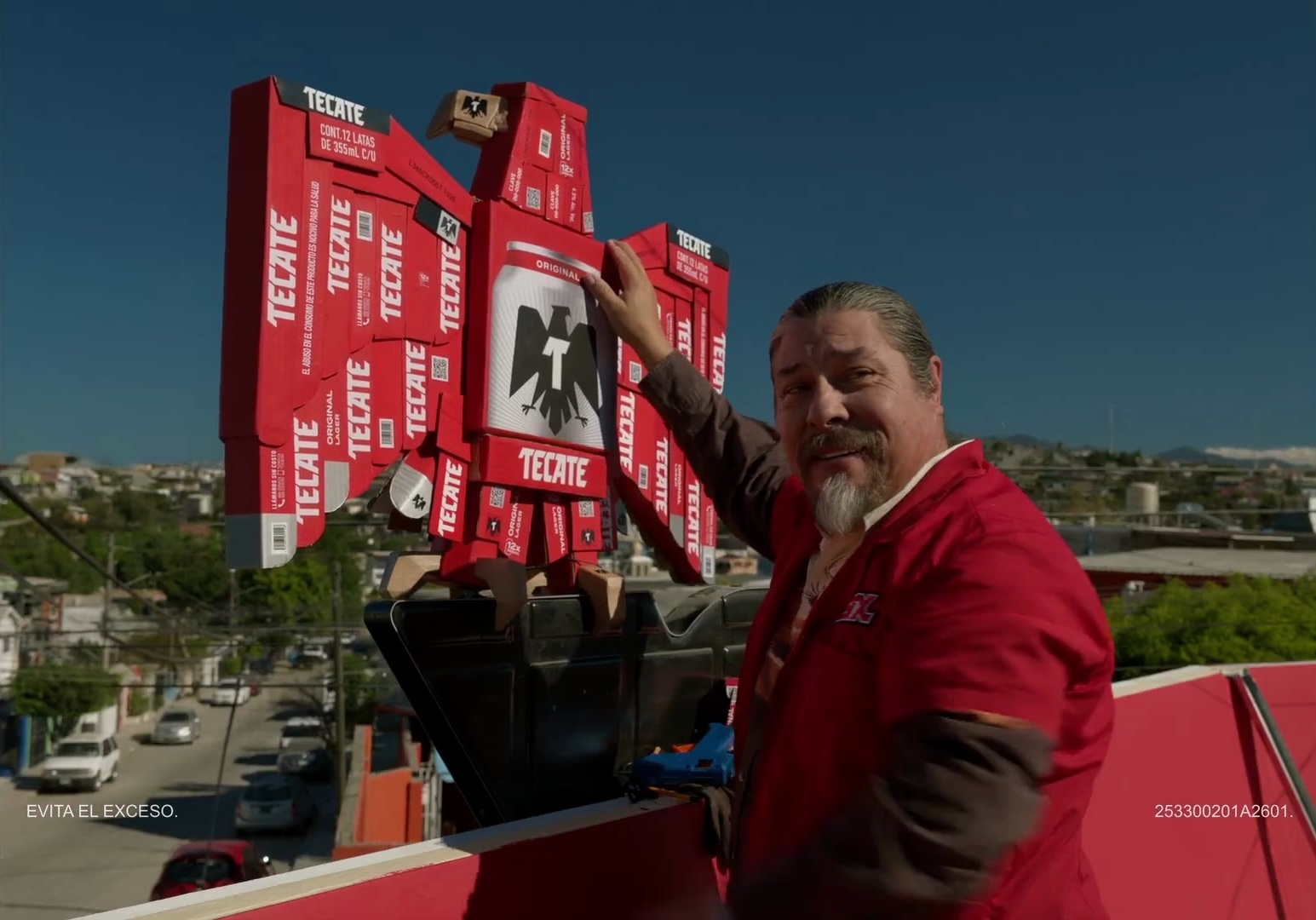
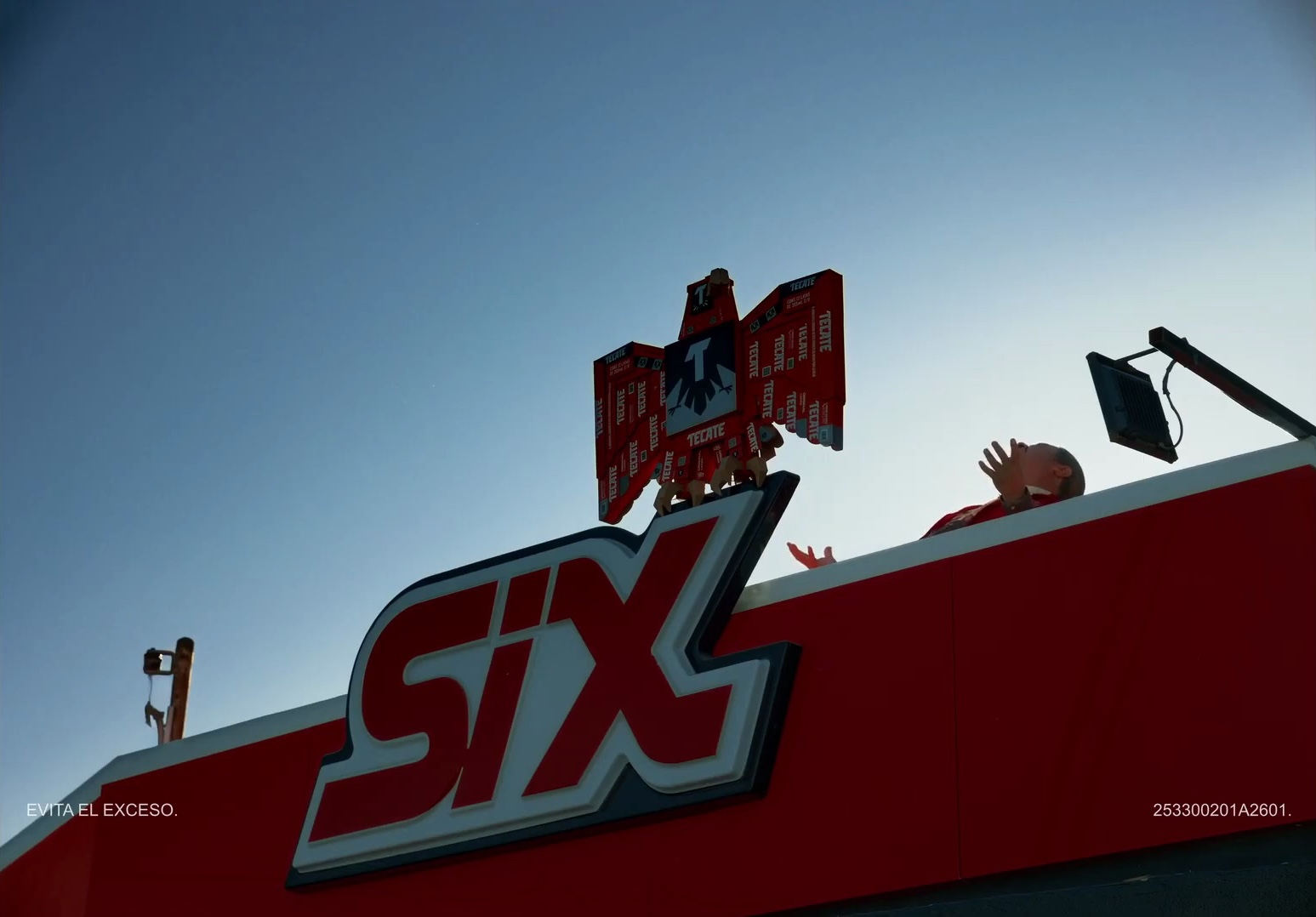
Tecate partnered with HEINEKEN México, convenience-store network Tiendas SIX and nonprofit organization FUNDES to create an employment and entrepreneurship program for repatriated Mexicans. The initiative combines technical training, ongoing support and access to jobs throughout the Tiendas SIX and HEINEKEN México ecosystem.
HEINEKEN México says the first phase is designed to employ more than 100 people, while Creapills reports that the broader program aims to recruit 130 repatriated workers during its first 24 months. The program can also support participants interested in creating new retail locations, turning employment into a potential pathway toward entrepreneurship.
That distinction matters.
Brands regularly attach themselves to cultural conversations, especially when those conversations are already attracting attention. Far fewer can connect the idea directly to something inside their own business ecosystem.
Tecate can.
The stores exist. The jobs exist. The distribution network exists. Rather than building a temporary activation around the issue, the brand is using infrastructure it already controls to make the campaign useful.
From Brand Purpose To Brand Utility
“Welcome Back, Paisano” launched in Mexico in April and has been supported through social, digital media and out-of-home placements, including media in border regions where the subject of repatriation is particularly visible.
But the most interesting media component may ultimately be the employment platform itself.
There has long been tension around purpose marketing because saying the right thing is relatively easy. A powerful film can generate attention, sentiment and awards, but the question afterward is always the same: what did the brand actually do?
Tecate has an unusually clear answer.
The advertising establishes a point of view. The business then acts on it.
That does not remove the political context or mean everyone will respond to the campaign in the same way. Immigration and deportation remain deeply contested issues in both Mexico and the United States. But creatively, the campaign avoids making its entire contribution a slogan.
It gives the idea somewhere to go.
Tecate Is Building A Consistent Brand Point Of View
There is also continuity here.
Earlier this year, Tecate and LePub Mexico City responded to the dispute over the name of the Gulf of Mexico by creating a floating Tecate bar in the Gulf and registering its location across digital mapping platforms. The campaign turned geolocation itself into media while positioning the brand around Mexican identity and cultural pride.
“Welcome Back, Paisano” operates in similar territory, but with a much more practical outcome.
Both ideas take a cultural or political tension involving Mexico and the United States, translate it through a distinctly Mexican brand voice and then build an action around it.
That consistency is important. Cultural relevance becomes far more credible when it behaves like a brand platform rather than a series of unrelated reactions to the news cycle.
And “Welcome Back, Paisano” shows what can happen when purpose marketing moves one step further.
Do not just make the ad.
Build the thing the ad says you believe in.
Also Read: