Pinterest has always been strongest when people know the feeling they are chasing, even if they do not yet know the product name. Now it wants to turn that half-formed taste into a conversation.
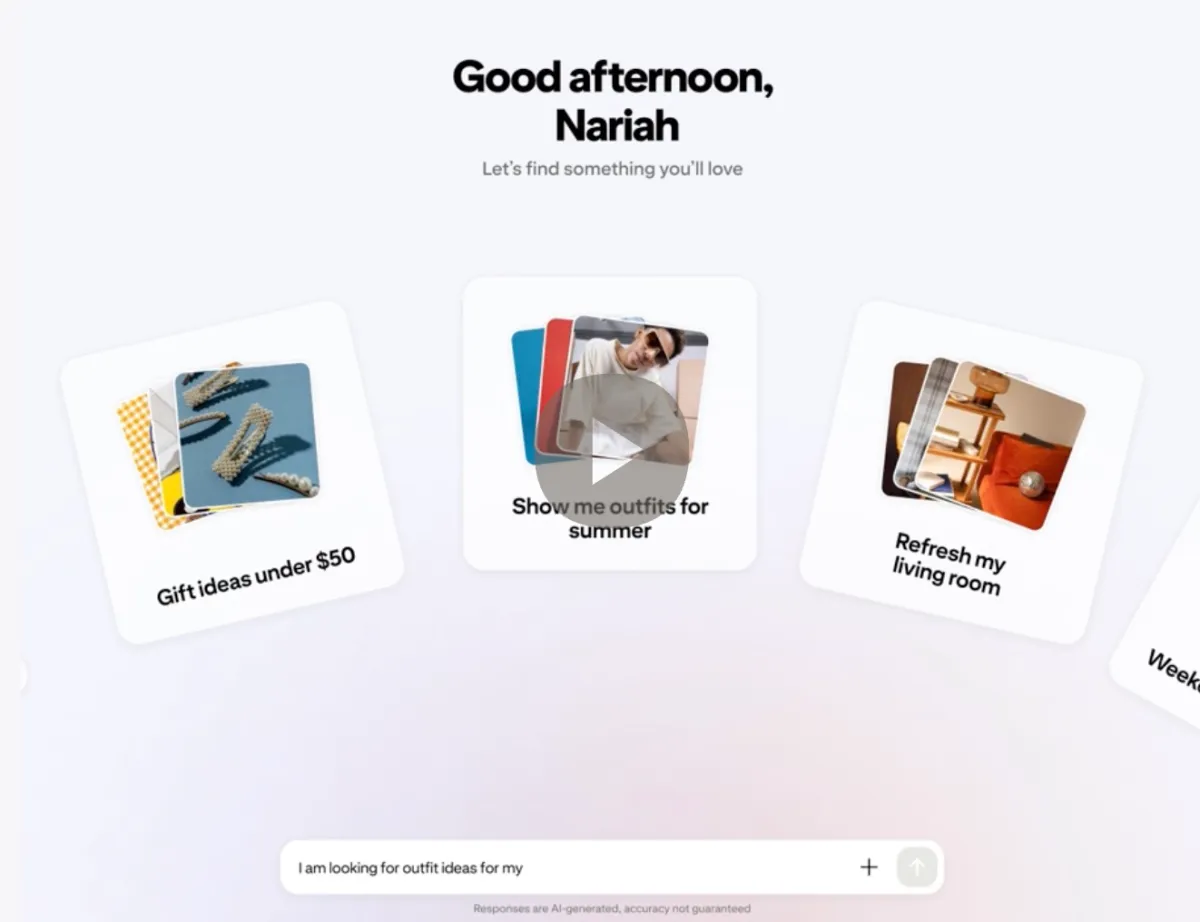
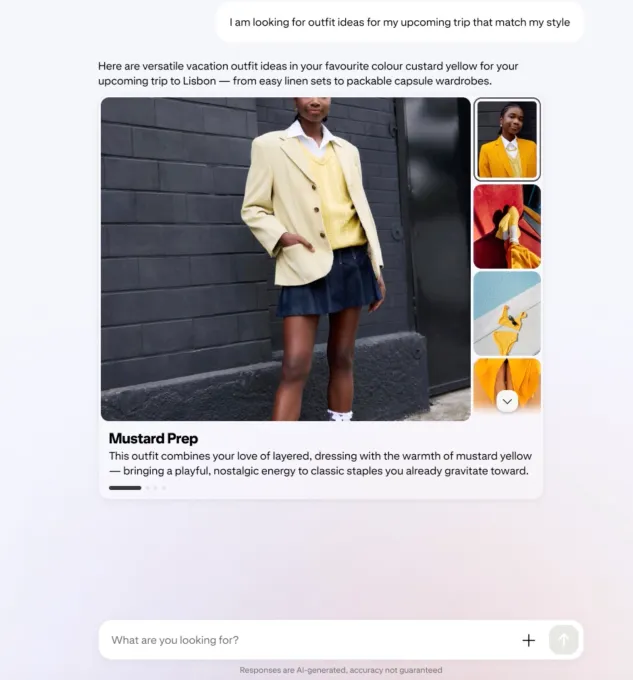
The company has announced an experimental AI-powered app called Ask Pinterest, designed to let people look for shopping recommendations and inspiration using natural language rather than the traditional search box. The app will initially be available in limited access, and Pinterest is keeping it separate from the main app while it tests how conversational discovery fits with its core visual experience.
That separation matters. Pinterest is not simply adding a chatbot to its homepage. It is testing whether shopping discovery can move from browsing boards and typing keywords to asking for help with more complex, multi-step needs.
From visual search to guided taste
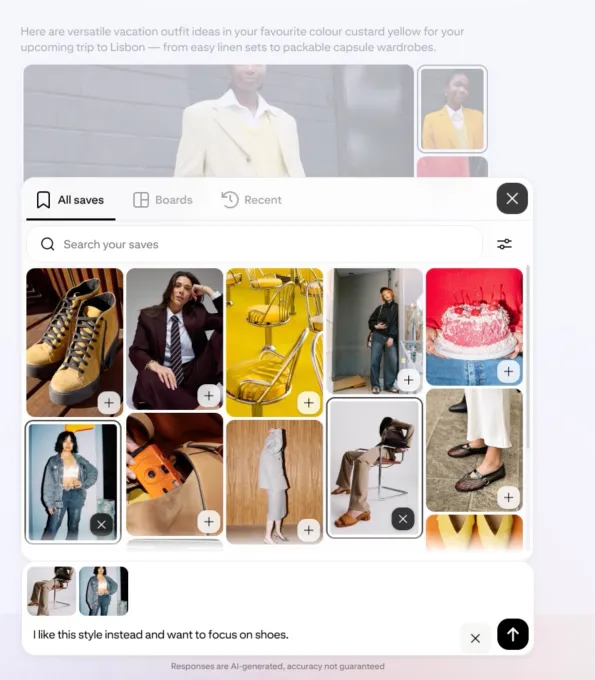
Ask Pinterest is built around one of the company’s most valuable assets: its Taste Graph, the internal system that maps people to their interests and aesthetics. That is a different starting point from a generic shopping assistant. Pinterest is not just trying to understand what someone wants to buy. It is trying to understand what style, mood, occasion, or identity sits behind that purchase.
The new app gives Pinterest a way to use that data in a chatbot-like interface, where users can ask questions and receive more personalized recommendations and inspiration. This is a natural extension of how people already use Pinterest. A user might not search for one exact lamp or one exact dress. They may be planning a room, a party, a wardrobe refresh, or a wedding aesthetic. Those are messy queries. They often involve trade-offs, taste, budget, occasion, and visual reference points.
Traditional search handles the known item well. Pinterest is betting that AI can help with the unknown one.
A standalone app gives Pinterest room to experiment
By launching Ask Pinterest as a standalone online application, Pinterest can test conversational shopping without forcing the behavior into the main Pinterest app too early. That is a smart product move. The main app is already a visual discovery environment with its own habits: saving, scrolling, searching, organizing, and returning later. Dropping an AI assistant directly into that flow could either unlock new behavior or interrupt what already works.
The limited-access approach gives Pinterest room to see which questions people actually ask when they are not constrained by keywords. The company says the experience could support more complex or multi-step queries that do not fit traditional Pinterest search. That is the real test: whether people use it for richer planning, or whether they simply treat it like another recommendation box.
The timing also tells its own story. The announcement arrives just ahead of Cannes Lions, where AI is expected to dominate conversations across advertising and marketing. Pinterest is not only testing a consumer assistant. It is also introducing new AI initiatives for marketers, including Pinterest Model Context Protocol, or MCP, designed for advertisers running campaigns on the platform, alongside other AI ad tools. For a platform that already sells itself to brands through moments of planning and purchase consideration on Pinterest Business, that combination is important.
The battle is moving closer to the decision
AI shopping is quickly becoming one of the most contested interfaces in consumer tech. Google has been adding AI features to help shoppers find products, track prices, and check out. ChatGPT has experimented with agentic shopping. Meta, Shopify, and others are also pushing toward AI-assisted commerce.
Pinterest’s angle is different because its strength is not only transactional. It sits earlier in the process, when people are forming intent. That word gets overused, but here it is tied to something concrete: users come to Pinterest to collect ideas before they decide what to buy. If Ask Pinterest can shape that early planning stage, it does not need to beat every retailer at checkout. It needs to influence the shortlist before the shopper leaves.
This also explains why Pinterest has focused largely on using its own data to train AI models and power its own AI products, rather than simply becoming a source of product recommendations for other AI services through licensing deals. The Taste Graph is more useful to Pinterest if it becomes the engine of its own discovery experience.
What this changes for brands
For brands, the important shift is not that Pinterest has another AI experiment. It is that product discovery may become more conversational while still being deeply visual. That changes how brands should think about being found.
If shoppers start asking for “ideas for a small coastal bedroom,” “wedding guest outfits that work in hot weather,” or “gifts for someone who loves mid-century design,” the winning content is not only the clean product shot. It is the product connected to context: occasion, use case, style, constraint, and mood.
That makes Pinterest creative more important, not less. The platform’s AI may be doing the matching, but it still needs signals to work with. Product images, descriptions, boards, shopping metadata, and campaign structure all become part of how a brand shows up inside an assisted discovery moment.
The risk is that brands treat conversational shopping as another performance channel and flatten everything into generic prompts and generic product feeds. Pinterest’s advantage has always been taste. If Ask Pinterest works, the brands that benefit will be the ones that make their products easy to understand as part of a visual plan, not just easy to buy.
Ask Pinterest is still experimental and limited in access, so this is not yet a mass behavior shift. But the direction is clear enough: Pinterest wants to own the moment when a shopper stops searching for products and starts asking what fits their life.
Also Read:
Snapchat Turns Ads Into Conversations With AI Sponsored Snaps
LinkedIn Is Using AI To Rethink How Your Feed Actually Works
Spotify’s AI DJ Now Speaks French, German, Italian, and Brazilian Portuguese