


Most advertising tries to reach people before they need a product.
McDonald’s found a way to appear at the exact moment its service became unusually relevant.
In Hamburg, nearly 3,000 motorists are reportedly caught by speed cameras every day. Serious offenses can result in a temporary driving ban, which creates a fairly obvious problem for anyone planning a trip through the McDrive.
Working with agency Scholz & Friends, McDonald’s transformed that problem into one of the smartest media placements of the year.
For one day, the agency positioned McDelivery posters and banners beside several Hamburg roads. The signs were carefully placed inside the photographic frame of the city’s speed cameras.
When a speeding driver triggered the camera, the McDonald’s advertisement appeared inside the official photograph.
Weeks later, the authorities mailed the resulting image to the driver as part of their speeding notice.
The message waiting inside the envelope was brutally well timed:
“Driving ban? Luckily, there’s McDelivery.”
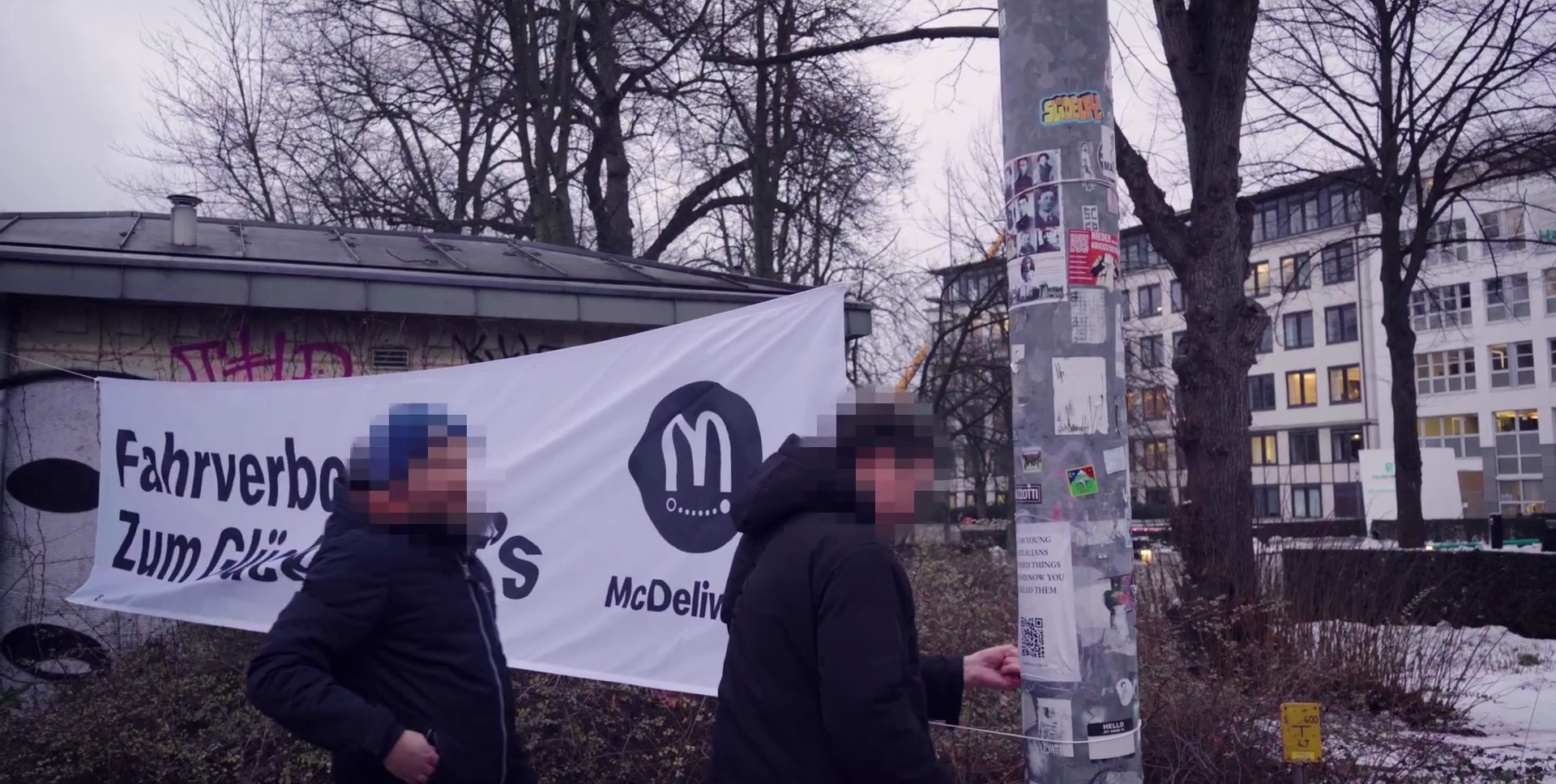
The Exact Moment The Product Becomes Relevant
The creative execution is simple, but the context does almost all of the work.
Placed on a conventional billboard, the McDelivery message would be mildly amusing. Inside a photograph informing someone that they have been caught speeding, it becomes painfully relevant.
The driver is not simply being told that McDonald’s delivers. They are discovering the service at the precise moment when driving to a restaurant may become difficult.
That timing turns a functional product benefit into the punchline.
It also shows the difference between targeting a demographic and targeting a situation. McDonald’s did not need to know the driver’s age, interests, browsing history or purchasing behavior.
The speeding ticket provided all the context the message required.
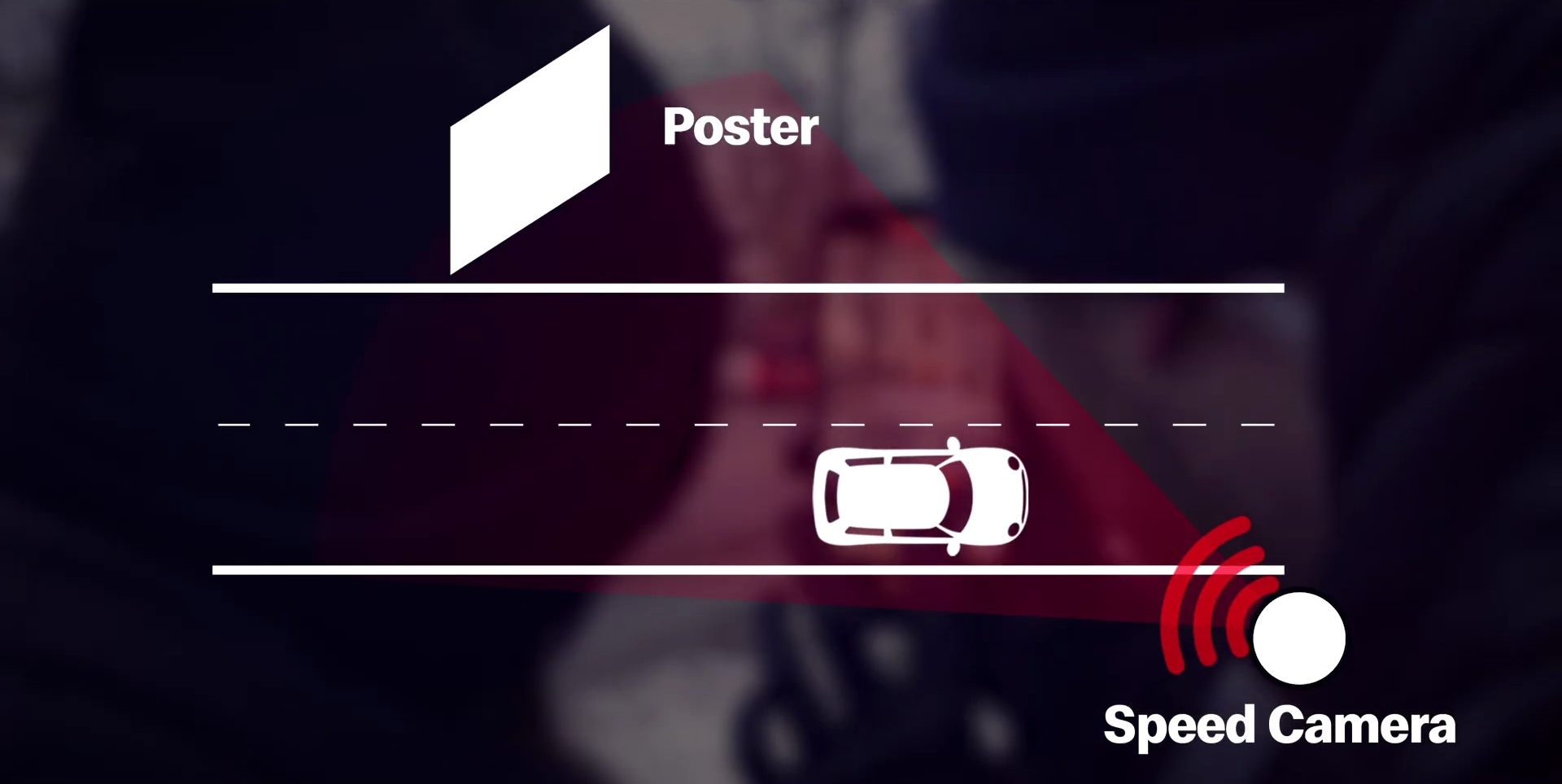
The Authorities Completed The Distribution
The campaign becomes even sharper when considering how the advertising reached its audience.
McDonald’s did not purchase space inside the speeding notice or enter a media partnership with the city of Hamburg. The posters simply appeared in the background of photographs captured by existing speed cameras.
Once the images were processed, the administrative system completed the delivery. The authorities printed the photographs, placed them inside envelopes and mailed them directly to the drivers.
McDonald’s still had production and installation costs, but it did not purchase a conventional media placement for the campaign.
The speeding notice became the medium. The official photograph became the advertisement. The government mailing system became an unwitting distribution mechanism.
Few pieces of direct mail arrive with that much guaranteed attention.
From Speeding Ticket To Social Content
The campaign was initially designed for a very small and highly specific audience: the motorists photographed while the posters were visible.
Then one of them shared the image on Reddit.
According to Scholz & Friends, the post generated more than 420,000 views and 3,200 upvotes in less than 24 hours, reaching the top position in one of Germany’s largest subreddits.
That second life is important.
The drivers received a contextually perfect message. Everyone else received a story about an audacious media hack. A placement designed for one person became content for hundreds of thousands.
The campaign has since received a Bronze Lion in Outdoor at Cannes Lions, a Grand Award and Gold at the New York Festivals, and Gold in Media at Germany’s MAX Awards.
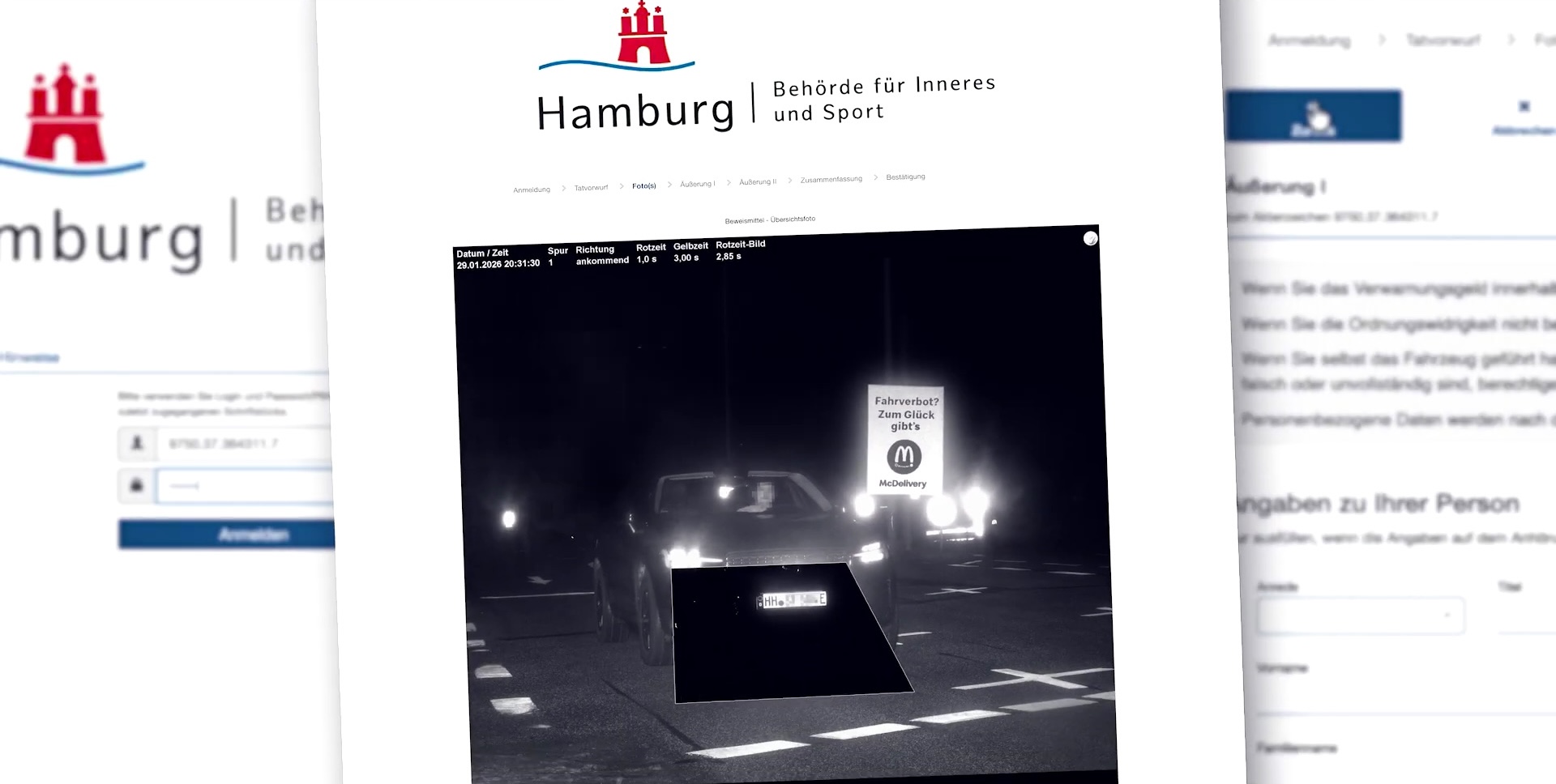
When The Media Becomes The Idea
The campaign works because the media placement is not simply carrying the creative idea. It is the creative idea.
Remove the speeding ticket and the message loses most of its power. Remove the possibility of losing a license and McDelivery is just another convenience claim.
Together, the medium, the moment and the service complete one another.
Most media plans begin by asking where an audience can be reached efficiently. McDonald’s and Scholz & Friends asked a more interesting question:
When does this service become the perfect answer?
The result did not need a complicated promotion, a celebrity partnership or a large paid-media budget. It needed one line, one carefully calculated camera angle and the patience to let the system do the rest.
Great contextual advertising does more than reach the right person.
It arrives at the moment the message becomes impossible to ignore.