The smart home has spent years asking people to speak like machines. Google’s new speaker is a bet that AI can finally make the home feel a little more human.
Google says the new Google Home Speaker is its first audio device built for Gemini. It is available for pre-order at $99.99 and hits shelves June 25, bringing Gemini for Home into a dedicated smart speaker with natural-language controls, 360-degree sound, advanced microphone processing, and a new light-ring underglow.
That timing matters. A new speaker is not just another object for the countertop. It is Google putting a dedicated household interface back in the room at the exact moment assistants are being rebuilt around generative AI.
The speaker is the signal
For years, the smart speaker category has been stuck between convenience and disappointment. People learned a narrow command language: turn on the lights, set a timer, play a playlist, what’s the weather. Useful, yes. Transformative, rarely.
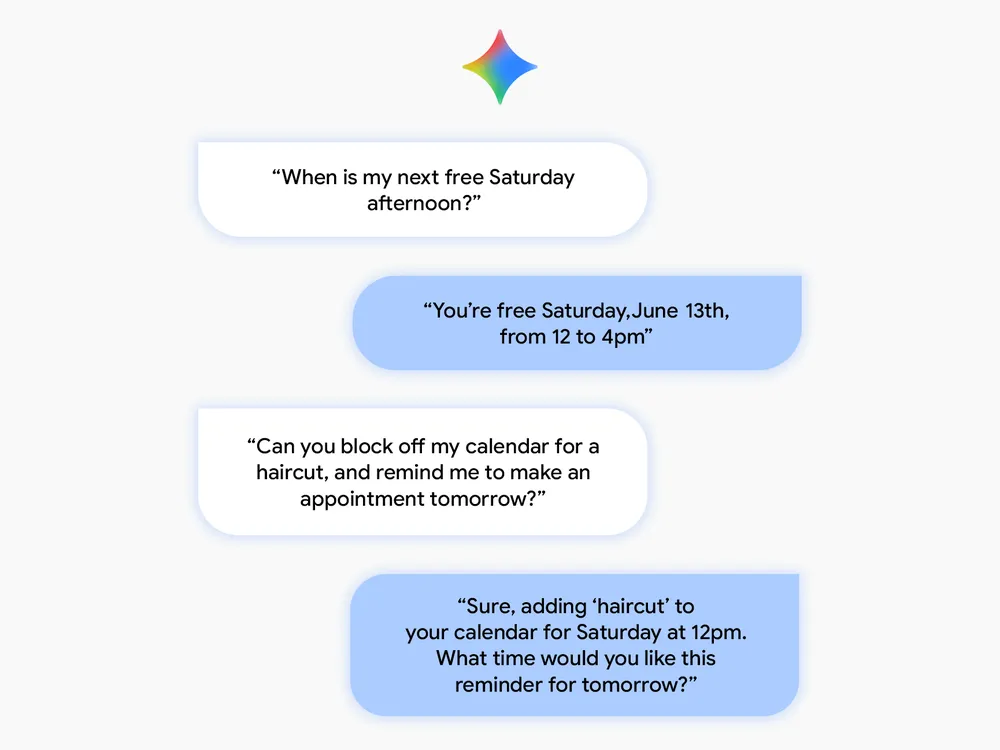
The new Google Home Speaker is different because of what it is built around. Google says Gemini for Home can understand natural speech, handle multiple commands at once, and let users correct themselves mid-sentence instead of memorizing rigid phrases. That changes the expectation from command execution to conversation.
That is the important move. If Gemini for Home can understand follow-ups, context, and more natural requests, the speaker becomes less of a remote control and more of a household interpreter. The hardware gives the AI a permanent place to listen, respond, and coordinate devices people do not want to manage one by one.
Design is part of adoption
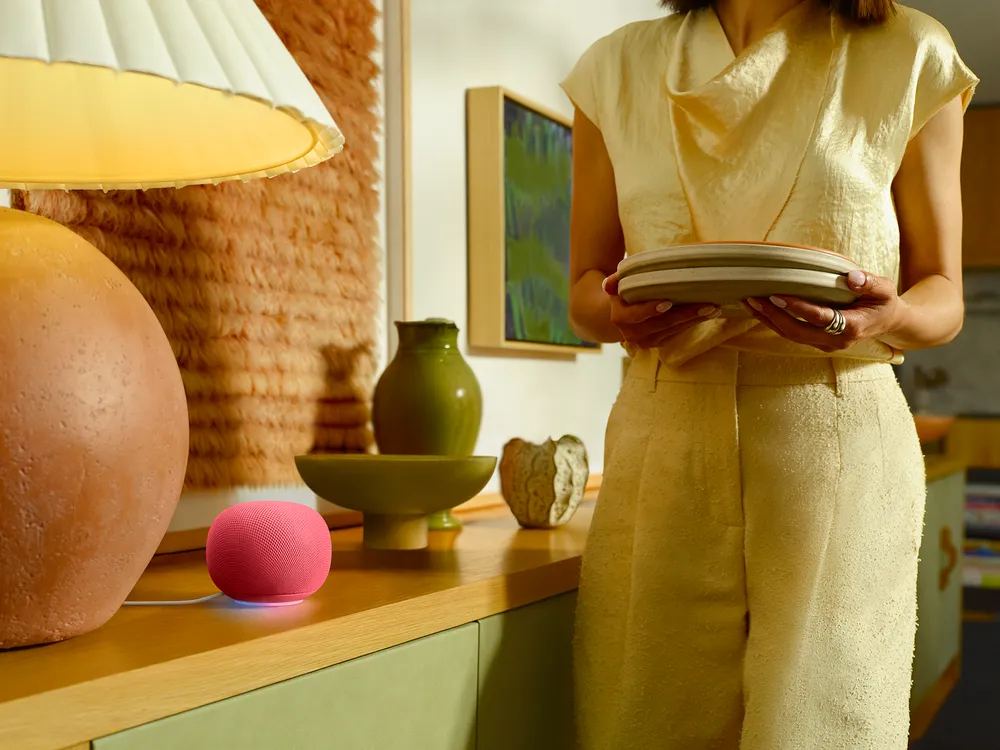
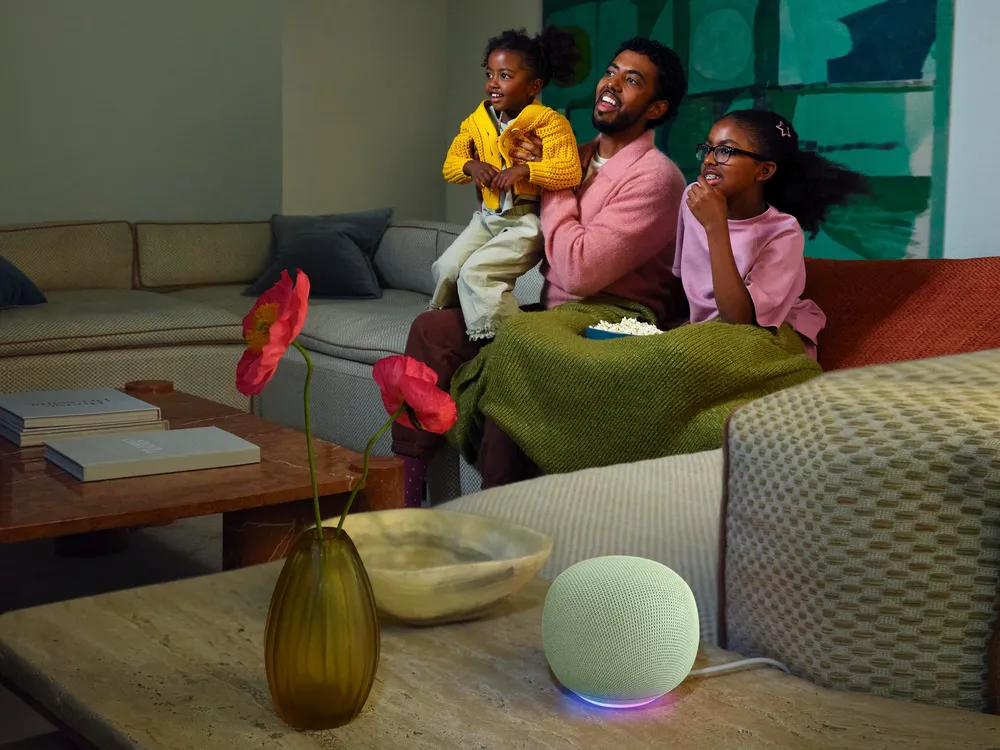
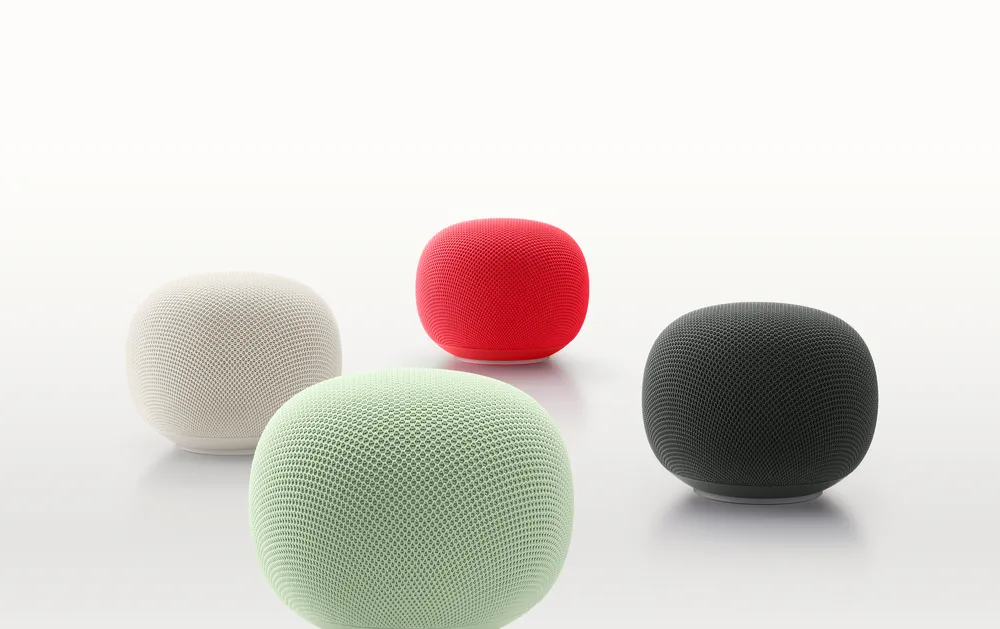
Google is also treating the speaker as a domestic object, not just a technical endpoint. The device is wrapped in custom 3D-knit textile and comes in Hazel, Porcelain, and, in the U.S., Jade and Berry. It includes a physical microphone mute switch and a soft underglow that shows when it is listening, thinking, or responding.
Those details matter because smart home adoption is not only about capability. A speaker has to live in a kitchen, bedroom, hallway, or living room without feeling like a developer kit. If the object feels intrusive, the assistant never gets the chance to become useful.
Google is also positioning the speaker as part of a broader home setup. It can pair with a Google TV Streamer, and up to two speakers can create a mini home theater experience with spatial surround sound. That turns the device into more than a voice puck. It becomes another piece of Google’s attempt to make the home interface feel connected instead of fragmented.
The next interface is already in the room
Google’s move is also a reminder that AI does not always need a new screen. Sometimes it needs a familiar object with a better brain.
The smart speaker was supposed to make computing ambient, but early assistants often made that promise feel small. Gemini for Home gives Google another chance to make voice feel useful beyond timers and trivia. A speaker built specifically for Gemini is not a coincidence. It is a reset.
If Google can make the home assistant genuinely conversational, the strategic consequence is clear: brands, services, and platforms will increasingly have to be understood by an AI before they are chosen by a person.
Also Read:
LinkedIn Is Using AI To Rethink How Your Feed Actually Works
Spotify’s AI DJ Now Speaks French, German, Italian, and Brazilian Portuguese
Snapchat Turns Ads Into Conversations With AI Sponsored Snaps