The next big shift in AI may not be a smarter answer. It may be an answer that remembers why you asked in the first place.
OpenAI is rolling out a rebuilt memory system for ChatGPT that can synthesize information from a user’s chat history in the background and update that understanding over time. The update is starting with ChatGPT Plus and Pro users in the US, and is not initially available in the EEA, the UK, Switzerland, Norway, Iceland, or Liechtenstein.
That rollout detail matters. This is not just OpenAI adding a bigger notebook to ChatGPT. It is making continuity part of how the product feels, while also drawing a clear line around markets where data and consent rules are more sensitive.
Memory moves from feature to feeling
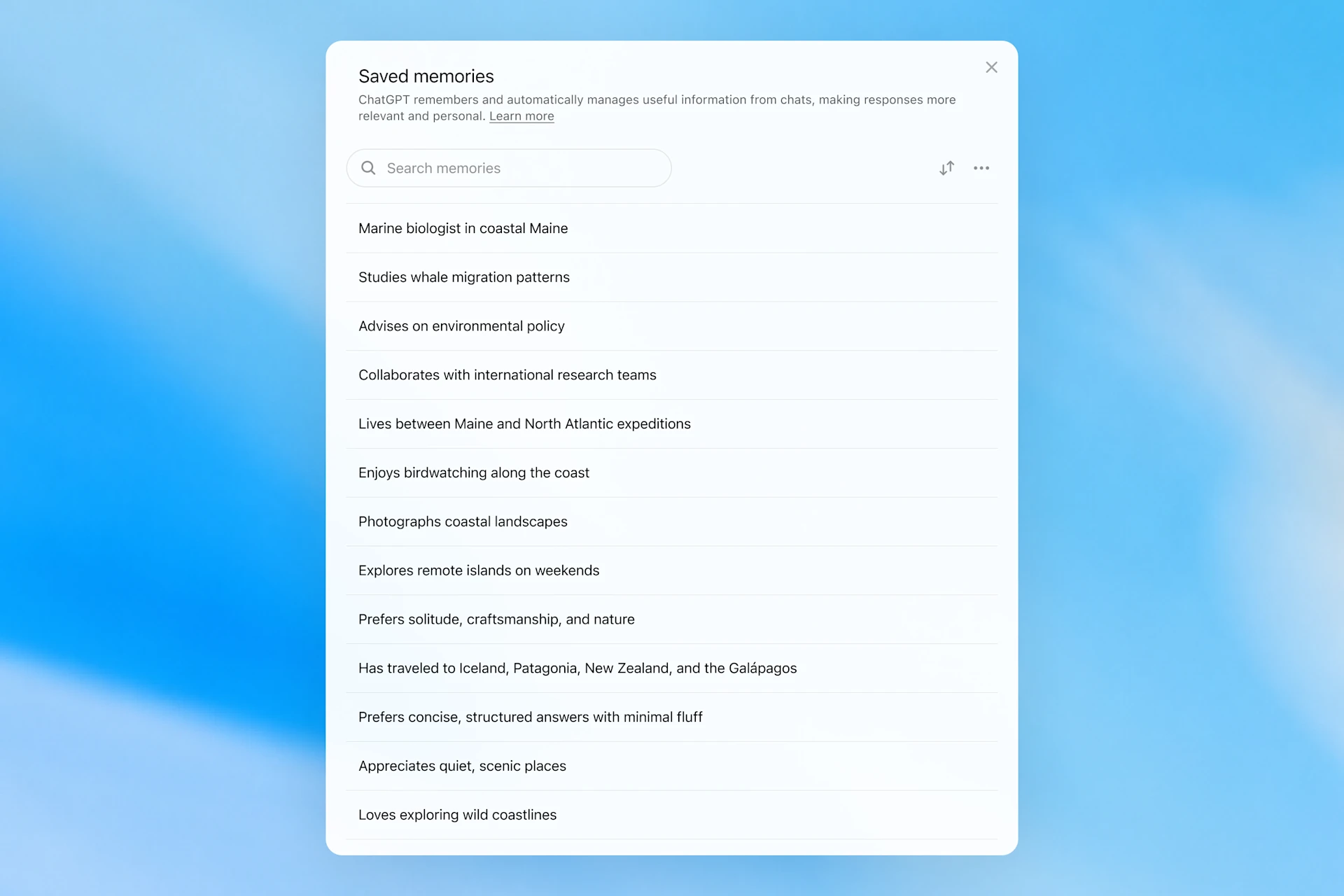
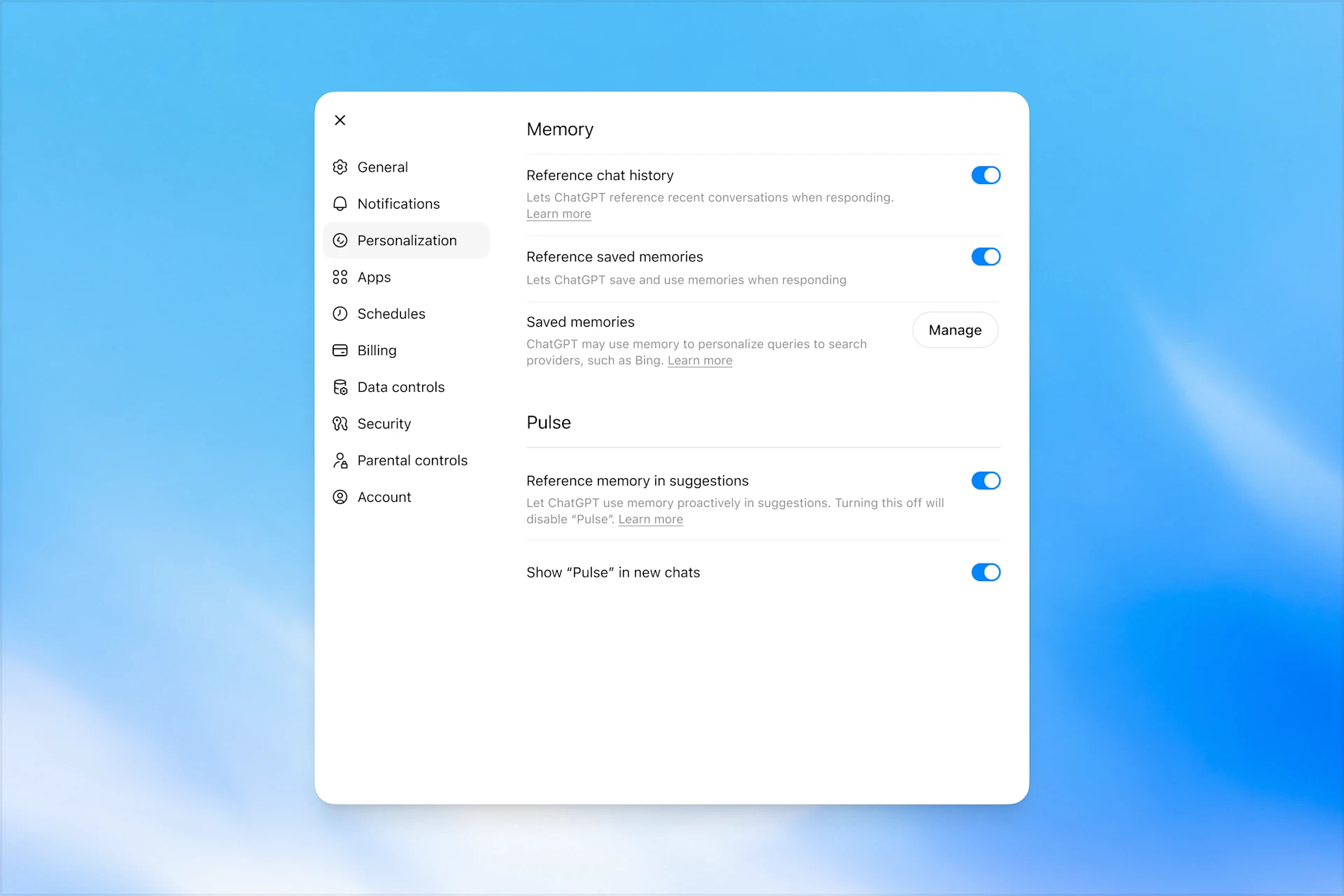
ChatGPT already had memory in a more explicit form: users could ask it to remember certain facts, preferences, or details. The newer system goes further by referencing past conversations to make current responses feel more relevant. OpenAI’s own ChatGPT Memory FAQ explains the distinction between saved memories and chat history, and gives users controls to turn memory features on or off.
That sounds like a settings-page update. In practice, it changes the relationship. If ChatGPT knows your writing style, your projects, the way you prefer information structured, or the context behind a recurring task, every new prompt starts from a slightly warmer place.
The awkwardness of AI chat has often come from repetition. You explain the brand, the tone, the customer, the last version, the constraint, and then you do it again tomorrow. Memory is OpenAI’s attempt to remove that reset button.
The interface is becoming the relationship
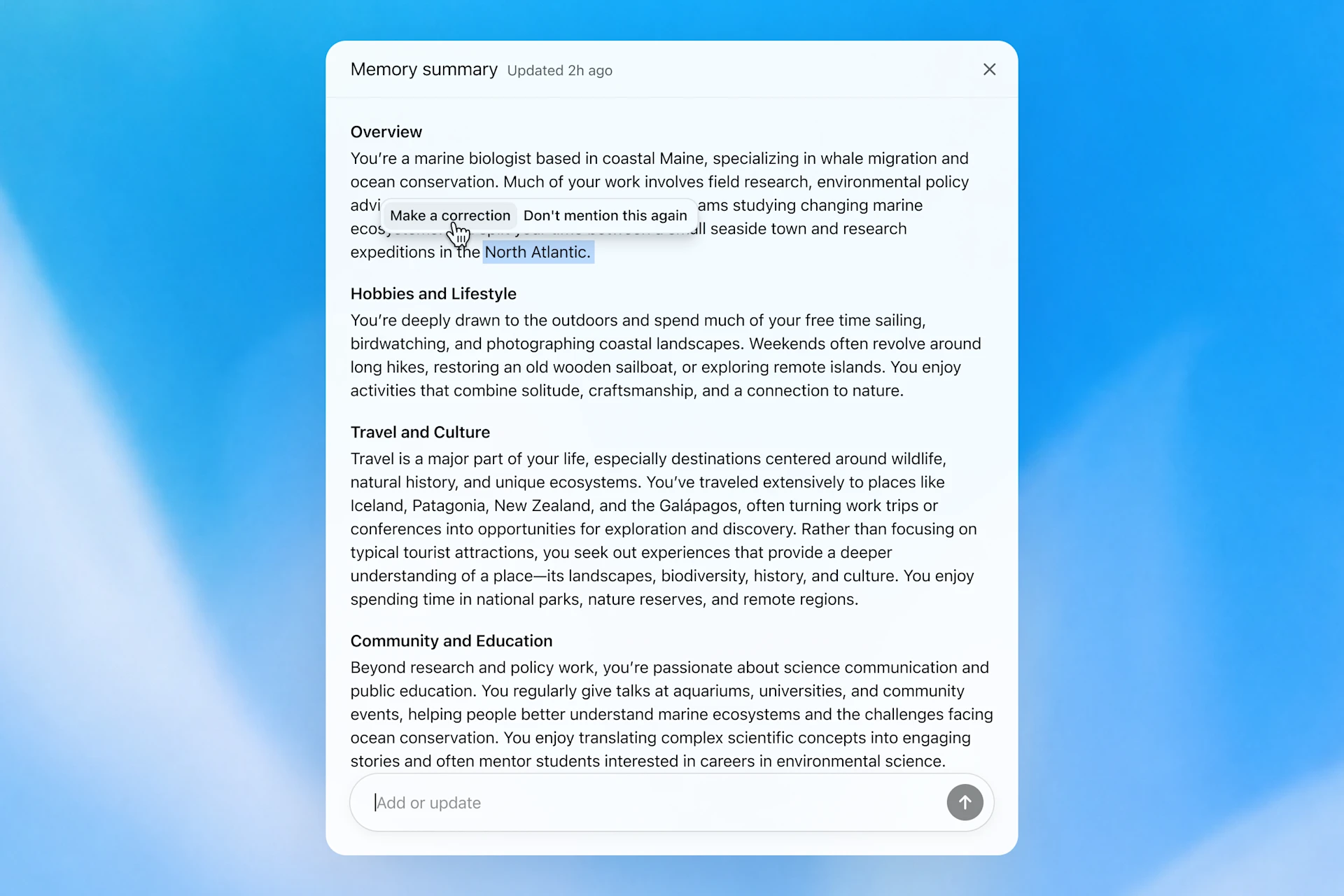
The important product detail is that memory updates in the background. That means personalization is no longer only something users build manually by saving preferences. It becomes something ChatGPT infers from repeated interaction, then applies later.
That is a meaningful change for everyday use. A chatbot that remembers nothing is a tool you operate. A chatbot that remembers context starts to feel more like a working relationship, for better and for worse. The interface is no longer just the box where you type. It is the accumulated history of what you have already said.
OpenAI is also keeping visible controls in the frame. Users can manage saved memories, delete them, ask ChatGPT what it remembers, or use Temporary Chat when they do not want a conversation to be used in the same way. Those controls are not a side note. They are part of whether people will trust the feature enough to let it become useful.
For brands, memory raises the value of context
For marketers and brand teams already using AI tools, the most immediate change is practical. The quality of an AI output increasingly depends on the history it can access. A campaign brief, a tone of voice, audience segments, product guardrails, legal constraints, previous creative routes, and rejected ideas all become more valuable when the system can carry them across sessions.
That could make AI feel less like a blank-page assistant and more like a junior team member who has actually been in the room before. But it also means teams will need better memory hygiene. If the model remembers outdated positioning, half-approved claims, or a temporary campaign direction, convenience can quickly turn into drift.
The brands that benefit will not be the ones that simply “use AI more.” They will be the ones that decide what their AI tools should remember, what should stay temporary, and who is responsible for keeping that context clean.
Personalization now has a trust cost
The regional limits around the rollout are a reminder that memory is not a neutral upgrade. The more useful ChatGPT becomes through continuity, the more it depends on sensitive signals: habits, preferences, work patterns, personal details, and repeated business context.
That tension is familiar across digital products, but AI makes it feel more intimate. A feed that remembers what you click is one thing. A conversational system that remembers what you worry about, what you are building, or how you think is another.
OpenAI’s bet is that users will trade some of that intimacy for smoother, more relevant interactions, as long as the controls are clear enough. The strategic consequence is simple: in AI, memory is becoming part of the product experience itself. The companies that handle it best will not just answer better. They will make users feel understood without making them feel watched.
Also Read:
LinkedIn Is Using AI To Rethink How Your Feed Actually Works
Snapchat Turns Ads Into Conversations With AI Sponsored Snaps
Instagram Adds “AI Creator” Labels to Boost Transparency