


Apple’s iPhone Duo launch has moved from a straightforward pre-order rush into a managed scarcity event. The company is reportedly limiting customers to two units, after demand pushed new delivery estimates into January 2027.
The shift matters because the checkout itself is now part of the launch strategy. Apple is no longer simply displaying a product and asking customers to wait. It is actively shaping who can buy, how many units they can secure and how much friction sits between interest and payment.
Apple is putting a ceiling on the rush
The restriction applies across configurations and across Apple’s online storefronts in markets including Japan, Spain and the United Kingdom. Trying to add more than two iPhone Duo units produces a direct checkout warning: “A maximum of 2 iPhone Duo can be purchased per customer.”
That is a notably specific intervention. It is not a vague warning about availability or a temporary queue. It is a hard quantity limit embedded in the purchase flow. The product page can create demand, but the cart now determines how much of that demand Apple is willing to accept from one customer.
The timing is just as revealing. Pre-orders opened on October 16 without the same visible ceiling, and early buyers reportedly managed to place orders for more than two units. Apple then moved to the limit after shipping estimates slipped, with new orders showing a January 22 delivery date in the report. Some early customers have apparently seen their delivery windows move forward, suggesting that the launch is still being rebalanced rather than simply sold out in a clean, final sense.
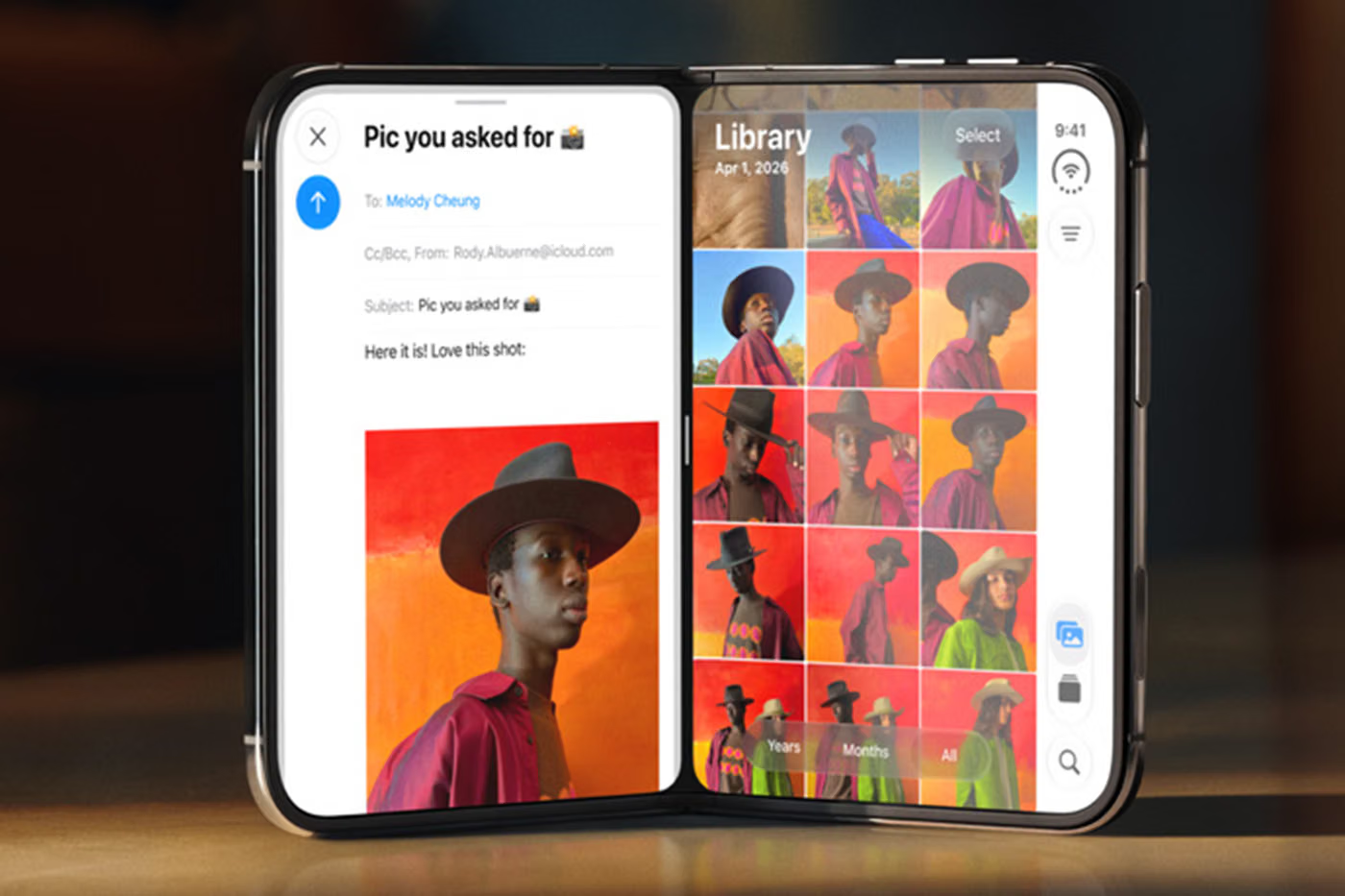
The product launch is becoming a demand-management system
Apple’s stated assessment that demand was “nothing short of extraordinary” is being translated into interface behavior. The company is using the storefront to ration access, slow bulk purchasing and signal that the constraint is real. That does not eliminate scalping. As the report notes, buyers can potentially try multiple accounts or payment cards. But it makes the restriction visible to every customer, not just to Apple’s internal fulfillment teams.
That distinction matters for brands launching products in an environment where hype can overwhelm supply. A purchase limit can protect availability for individual buyers, but it also changes the meaning of the drop. Scarcity is no longer only a communications device. It becomes a product mechanic that customers encounter at the moment of conversion.
The retailer comparison adds another layer. Best Buy was listing November 10 pickup and shipping dates for the 512GB model, while the 256GB version was shown with a December 14 date. Apple’s own channel therefore appears to be the slowest route for some configurations, even as it remains the most visible source of the product’s demand signal.
That creates a strange launch dynamic. Apple controls the official relationship and the language of scarcity, while third-party retailers can become the practical answer for customers who want the device sooner. The brand can preserve premium demand without satisfying every purchase immediately, but it also gives alternative channels a stronger role in the customer journey.
The broader lesson is not that every popular product needs a two-unit limit. It is that checkout controls are becoming part of launch design. When demand outruns fulfillment, the interface has to manage behavior, protect perceived fairness and absorb the reputational pressure of delay. For Apple, the iPhone Duo’s next test is whether the limit feels like thoughtful allocation or simply another sign that the launch was not ready for the size of its audience.