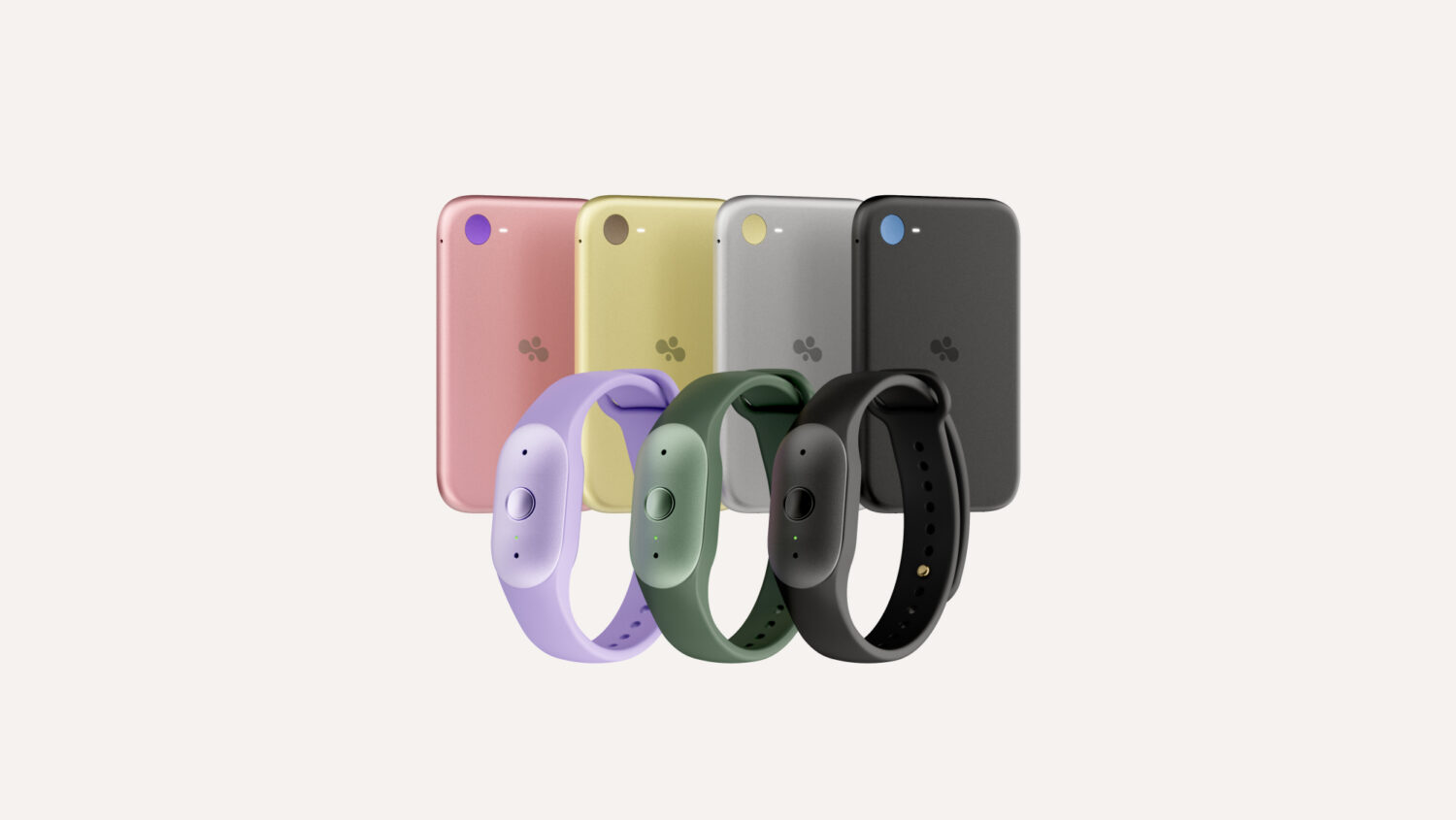
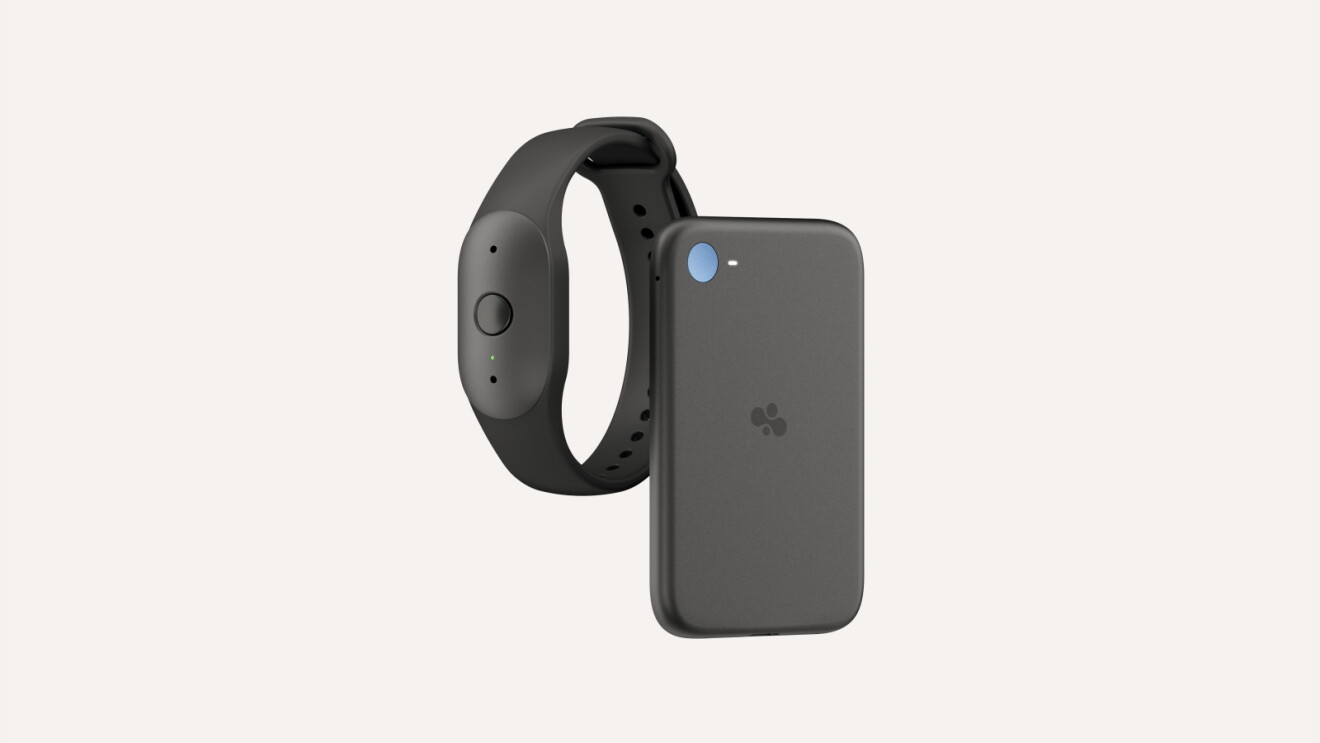
Amazon is giving personal AI a more permanent place in everyday life. Its Bee brand has introduced the Bee Frontier, a wearable that sits on the wrist or clips to clothing, and Bee Eclipse, a credit-card-sized device that attaches magnetically to the back of a smartphone.
The products are designed to listen to conversations, turn them into summaries and insights, and surface useful next steps later. That makes Bee less like a chatbot people open when they have a question and more like an ambient memory system that works in the background.
Bee wants to remember the details you forget
The $74.99 Bee Frontier is available now in Onyx, Lavender and Sage. It offers up to seven days of battery life, IP67 water resistance, USB-C charging and dual microphones with noise filtering. Bee Eclipse starts at $99.99 and is coming soon, with more than 21 days of battery life according to Amazon’s launch announcement.
Both devices can create conversation summaries, searchable memories, reminders and suggested to-dos. Bee can also turn discussions into calendar invites, draft follow-up emails and connect with Gmail, Google Calendar, Microsoft Outlook, Apple HealthKit, photos and Alexa+.
The important shift is that the product is built around continuity. Bee is meant to notice the detail in a conversation that would otherwise disappear, then bring it back when it becomes useful. A meeting becomes action items. A casual promise becomes a reminder. A mention of a product can become a shopping suggestion on Amazon.com.
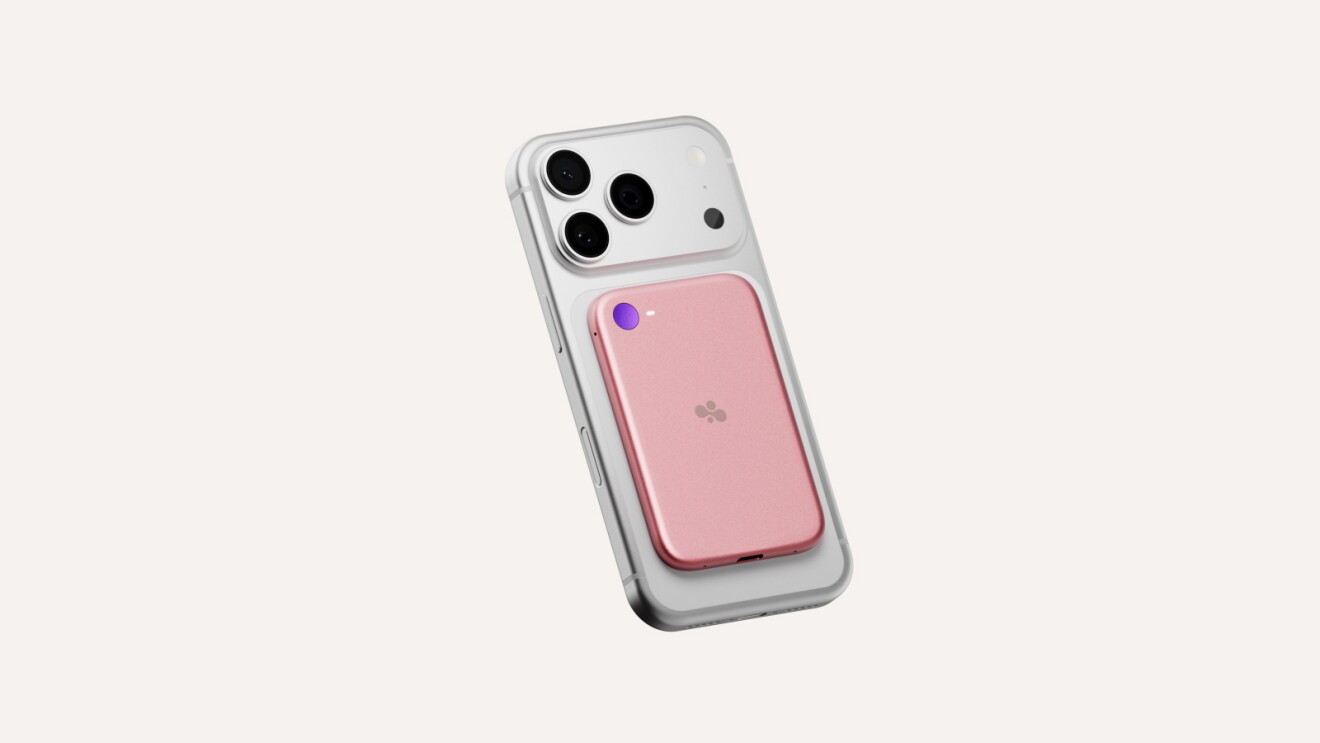
Amazon is connecting memory to action
That last step changes the commercial shape of the product. Bee is not only helping users remember what happened. Through its Amazon.com integration, it can also help them act on what they said they needed. The same system that captures a reminder about household supplies can eventually turn that reminder into a product recommendation.
Amazon says audio is processed in real time and deleted, while transcripts are encrypted with keys controlled by the customer. A physical button and indicator light show when the devices are active, and users can delete transcripts and summaries. Those controls matter because a product that is always ready to listen has to make privacy visible, not just promise it in a policy page.
Some of the deeper functionality sits behind Bee Pro, which costs $11.99 per month. The subscription adds unlimited recent summaries, third-party integrations, suggested to-dos, daily memories, a personal chat assistant, templates and the desktop app.
Bee’s real ambition is therefore larger than a cheaper AI recorder. It is trying to make personal context useful across the tools people already use, while Amazon adds a direct path from remembered intent to commerce. The strategic consequence is clear: personal AI is moving toward systems that do not simply answer questions, but remember what people say and decide what should happen next.
Also Read: