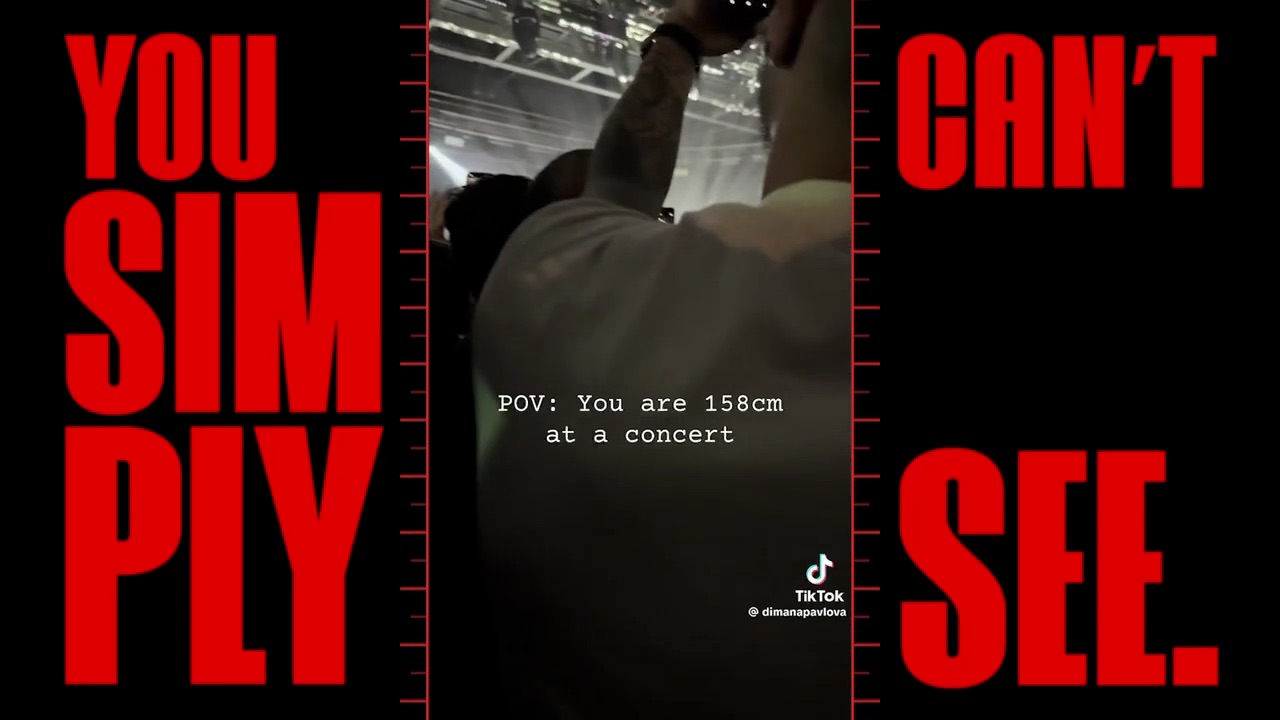
If you’ve ever attended a concert surrounded by people taller than you, you know the frustration. You paid to see your favorite artist, but somehow ended up spending two hours looking at the back of someone’s head.
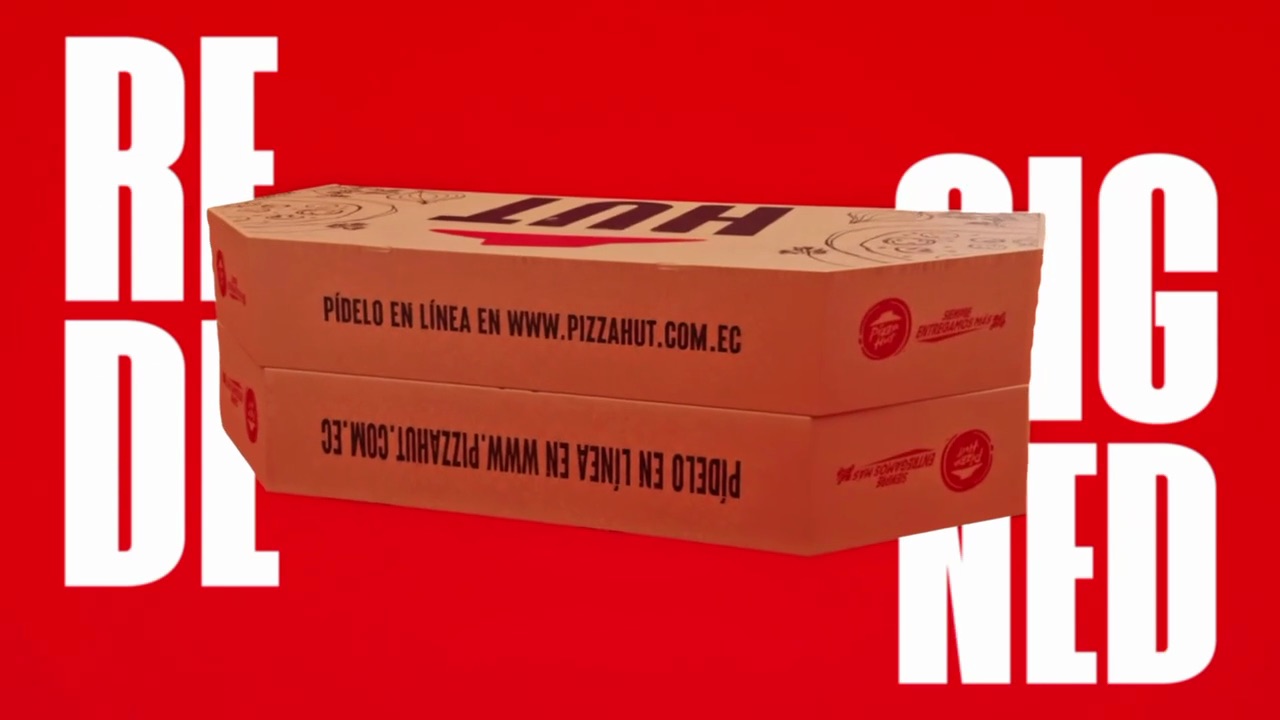
Pizza Hut Ecuador has come up with an unexpected solution: a pizza box you can stand on.
Created with agency BBA Ecuador, Pizza Platform transforms the brand’s familiar cardboard packaging into a portable platform that gives shorter concertgoers a better view of the stage. It’s a simple idea built around an everyday frustration, and another example of how packaging can become much more than something that carries a product.
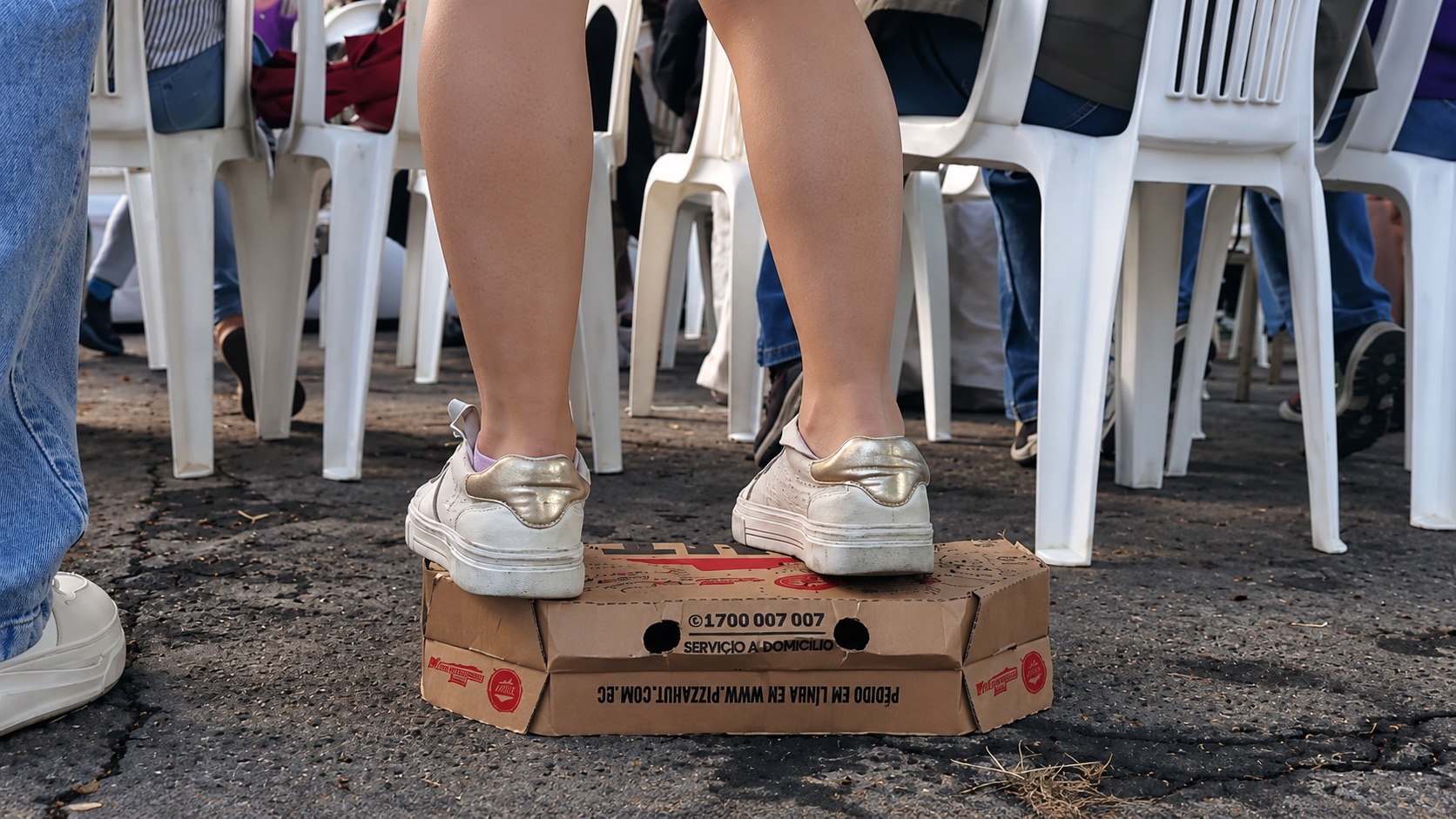
A Pizza Box That Gives You A Better View
The idea started with an observation about the concert experience. At large festivals, people shorter than 1.65 meters (approximately 5 feet 5 inches) frequently struggle to see past the crowd in front of them.
Instead of creating another branded festival accessory, Pizza Hut decided to redesign something customers would already have in their hands.
The Pizza Platform looks like an ordinary Pizza Hut box, but its interior features a reinforced structure that allows it to be folded into a small, portable platform. According to the campaign’s creators, the adapted packaging can support up to 105 kilograms, or approximately 231 pounds.
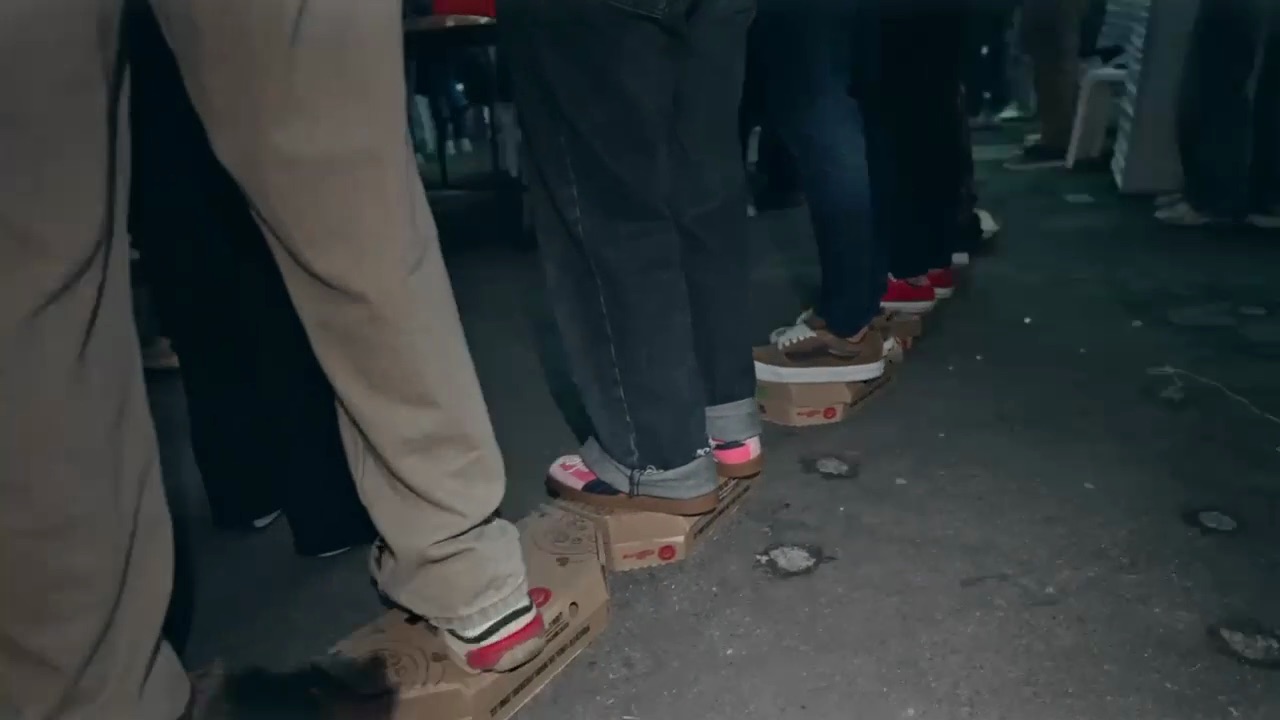
The mechanics are straightforward. Order a pizza, eat it, fold the empty box according to the instructions and turn it into a platform that provides a few extra centimeters of height.
No additional accessories are required, and the recognizable Pizza Hut packaging remains part of the design.
Developed in partnership with concert promoters, the special boxes were distributed during festival season, placing the product directly in the environment where its second function would become useful.
When Packaging Becomes Part Of The Experience
What makes Pizza Platform interesting is the relationship between the product, the packaging and the occasion.
Pizza and live music already make sense together. Rather than manufacturing an entirely new connection between the brand and festival culture, Pizza Hut has found a way to make its existing packaging more useful within that environment.
The box serves its original purpose before becoming part of the experience itself.
It’s an approach that goes beyond placing a logo at a concert or introducing another branded giveaway. The packaging has a function that responds directly to something happening around the consumer.
The execution also gives the brand a natural visual identity within the festival. A crowd of people standing on recognizable Pizza Hut boxes becomes both the activation and the advertising.
Of course, a reinforced cardboard platform is not a universal accessibility solution. Its suitability depends on proper use and the rules and conditions of individual venues. But as an experiential marketing concept, it turns a familiar object into something people have a reason to use.
Turning A Practical Idea Into Shareable Content
The campaign was produced with Fabryca and extended beyond the physical festival experience through digital content.
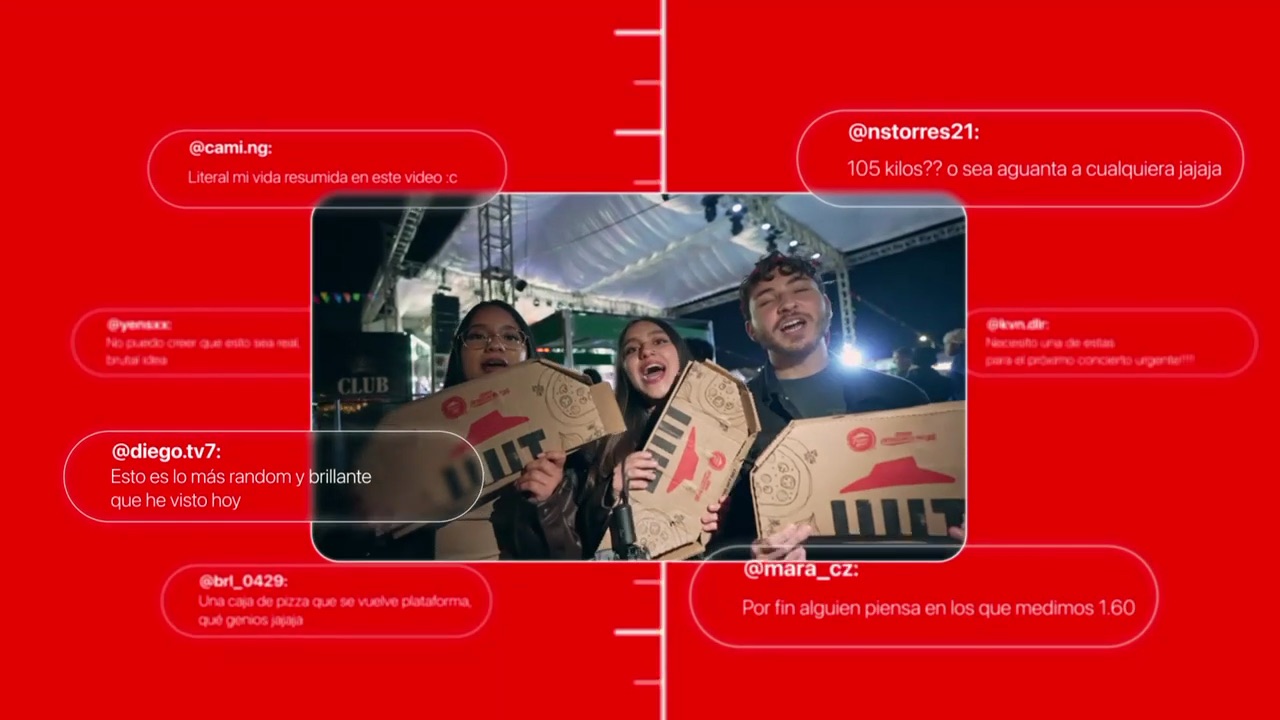
Pizza Platform generated more than 3,200 uses during its activation, alongside 1.8 million organic views and a reported 98% positive sentiment rate.
Those are campaign-reported figures, but the creative mechanics explain why the idea lends itself naturally to social media.
Someone unfolding an ordinary pizza box and then standing on it to watch a concert is the kind of transformation that requires very little explanation. The product demonstration is also the entertainment, making it easy to capture in photographs and short-form video.
And because the idea originates from a recognizable problem, it gives audiences something to relate to beyond the novelty of the object itself.
Pizza Hut Keeps Finding New Uses For Its Boxes
This isn’t the first time Pizza Hut has treated its packaging as a creative platform.
In 2021, the brand launched a limited-edition pizza box featuring an augmented-reality version of Pac-Man. Customers could scan a QR code and play the classic arcade game directly on the packaging, turning the box into a nostalgic entertainment experience.
More recently, Pizza Hut UK introduced its deliberately mysterious Vertical Pizza Box, a social-first campaign designed to spark speculation about whether the apparently impossible packaging innovation was real.
Both ideas demonstrated how an ordinary piece of packaging could generate conversation by doing something unexpected.
Pizza Platform follows the same creative instinct but introduces another dimension: practical utility.
The box isn’t simply entertaining or visually surprising. It attempts to solve a specific problem while keeping the brand directly connected to the experience.
Sometimes The Best Media Is Something People Actually Need
Brands spend enormous amounts of money trying to become part of music culture. Festival sponsorships, exclusive performances, branded stages and influencer activations have all become familiar components of the marketing playbook.
Pizza Hut has taken a smaller, more product-led approach.
Instead of creating another reason for people to look at the brand, it has created something designed to help people look at the stage.
The idea works creatively because the packaging isn’t just a surface carrying an advertising message. Its physical form is central to the execution, and the brand’s involvement extends beyond the moment the pizza is purchased.
There is a broader creative principle here for brands looking to participate in cultural experiences. Understanding what people are actually doing, and what frustrates them while they do it, can create opportunities that traditional sponsorship thinking might overlook.
Pizza Hut didn’t need to put its name on the stage.
It found a way to give more people a better view of it.
Also Read: