


WhatsApp is making it easier for brands to build AI-powered business workflows without treating every automation request like an engineering project. The new WhatsApp Business Tools MCP will let marketers connect a third-party AI tool to the WhatsApp Business Platform, then describe the agent or workflow they want in conversational language.
That could include creating an automated agent profile, defining responses, or generating a marketing template. The appeal is obvious: brands can start with the business outcome they want instead of learning the technical steps required to build it.
WhatsApp is turning setup into a conversation
The important shift is not simply that WhatsApp is adding more AI. It is changing who gets to configure the business layer. A marketer could use a preferred AI tool to outline the function they need, while the system handles the requirements and setup process behind the scenes.
That lowers the barrier to using WhatsApp for more than one-to-one customer support. Workflows that once required specialist help could include campaign templates, automated responses, lead handling, and other operational tasks inside the business messaging platform.
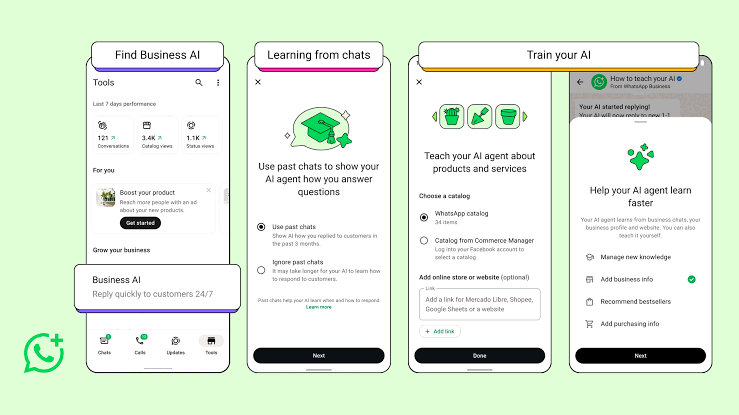
Meta has already been moving in this direction. Its Business Agent platform is designed to help companies answer questions, recommend products, qualify leads, book appointments, and close sales across its messaging products. The MCP update appears to push that logic one step closer to the tools marketers already use.
The next competition is over business behavior
For brands, the promise is speed. The risk is that easier setup also makes it easier to create too many automated conversations, too quickly. WhatsApp has been adding controls around business messaging, including opt-ins, message limits, feedback tools, and restrictions on low-quality outreach.
So the strategic value will not come from giving every brand an AI agent. It will come from deciding which customer moments deserve automation and which still need a person. WhatsApp is making the technical barrier smaller. That puts more pressure on the quality of the business judgment behind every automated reply.