


YouTube already has videos, Shorts, posts, comments and, once again, private messaging.
Apparently that may not be social enough.
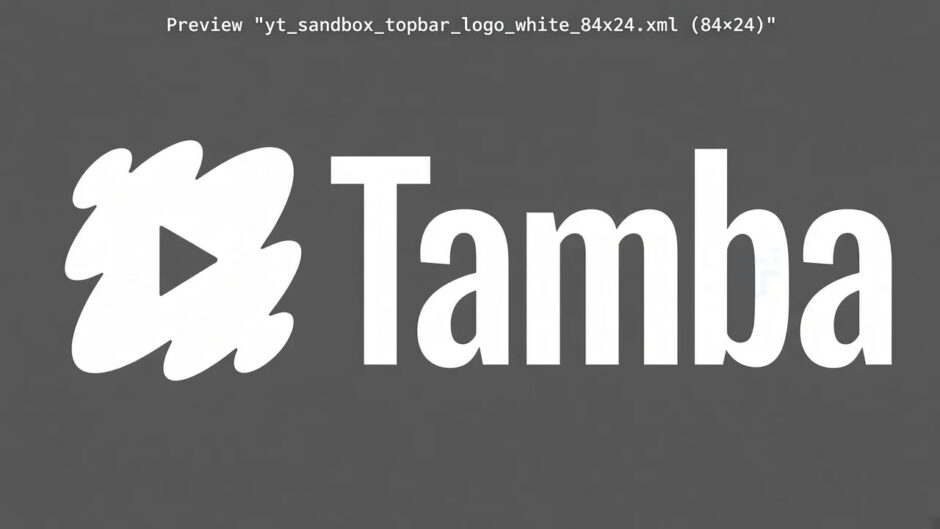
Code discovered inside the latest YouTube app for Android points to an experimental project called Tamba, with features that look much more like Instagram or a traditional social network than the YouTube we know today. Followers, private profiles, direct messages, group chats, photos, videos and voice replies all appear in the code.
YouTube May Be Building A Social Graph
Android Authority found Tamba while examining version 21.44.534 of YouTube’s Android app.
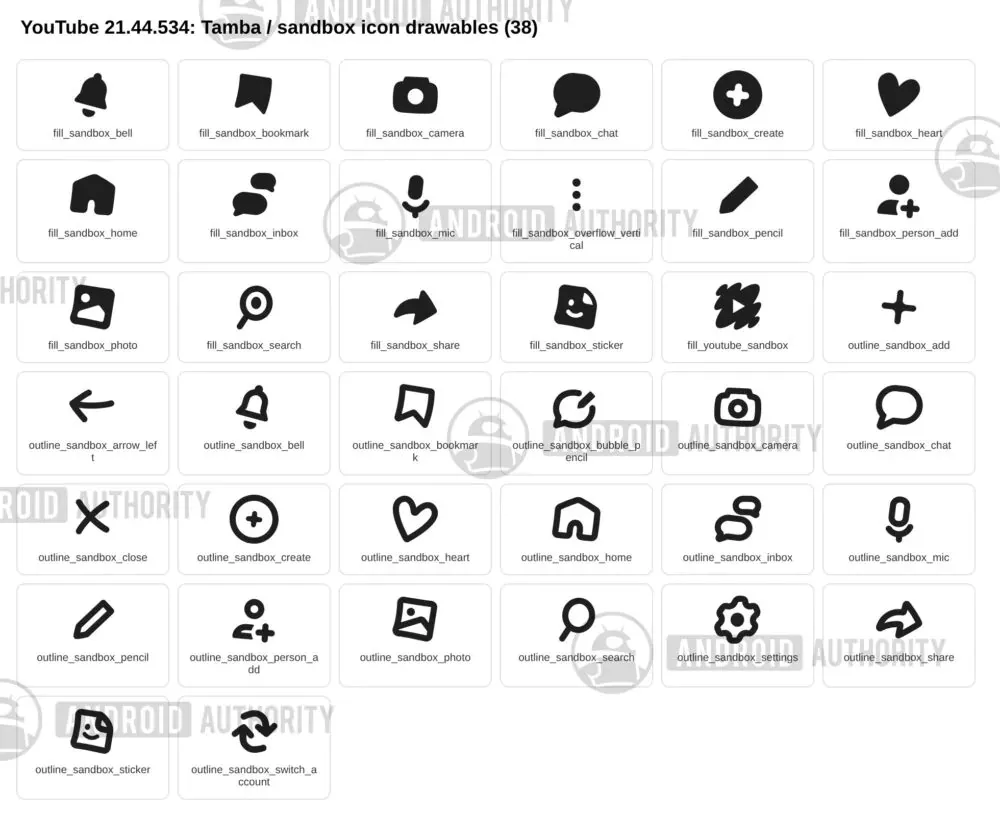
The project has its own branding, 38 custom icons and even a separate application package called com.google.android.youtube.sandbox. References to both Android and iOS clients suggest it could potentially exist as its own experience rather than simply another tab inside YouTube.
More interesting are the behaviors hidden in the code.
Users could follow each other rather than only subscribe to channels, approve follow requests, maintain private profiles, create posts, send photos and videos, join group conversations and reply using voice notes. Shorts also appear designed to play directly inside chats.
That would move YouTube toward something it has never fully owned: the relationship between viewers themselves.
Subscriptions connect audiences to creators.
Followers, DMs and group chats connect people to people.
YouTube Wants The Conversation Around The Video
Tamba is still experimental. The word “sandbox” appears throughout the project, and none of this guarantees Google will ever release it publicly. The features could eventually be folded back into YouTube instead.
But the direction makes sense.
YouTube already brought in-app messaging back this year, letting people share videos and talk without jumping into WhatsApp, Instagram or iMessage. Group chats are also on the roadmap.
Meanwhile, Communities gives creators more space for posts and fan interaction, while Custom Feeds are making the Home experience increasingly personal.
Tamba would connect those moves into something much more recognizably social.
TikTok and Instagram are powerful because the content and the conversation live together. YouTube has historically been different: people watch there, then frequently take the social interaction somewhere else.
Tamba suggests Google may want that interaction back.
YouTube has spent 20 years owning what people watch.
Now it may want to own who they watch it with.