As AI models become increasingly capable of reading everything published online, designers are beginning to experiment with a strange new question: can typography remain legible to humans while confusing machines?
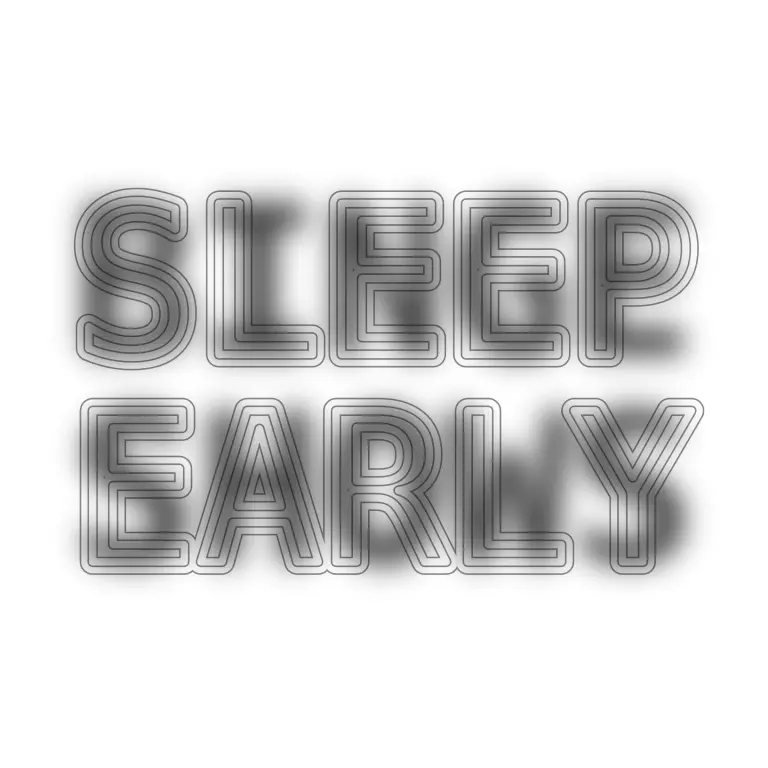
Mixfont’s answer is Decoy Font, an experimental typeface that displays two different messages depending on how it is viewed. Up close, one word appears. Move farther away, reduce the image size, or squint, and another message emerges in its place.
The first message acts as the decoy. The second is the one intended for humans.
Two messages hidden inside every letter
Decoy works by combining different spatial frequencies inside the same character.
Thin, sharply defined outlines form the foreground message, while a softer, blurred mass creates another letter underneath. Because the two shapes occupy the same space, the message people perceive changes with distance and focus.
Viewed closely, the eye is drawn to the crisp outlines. From farther away, those finer details begin to disappear, allowing the broader background shapes to form a completely different word.
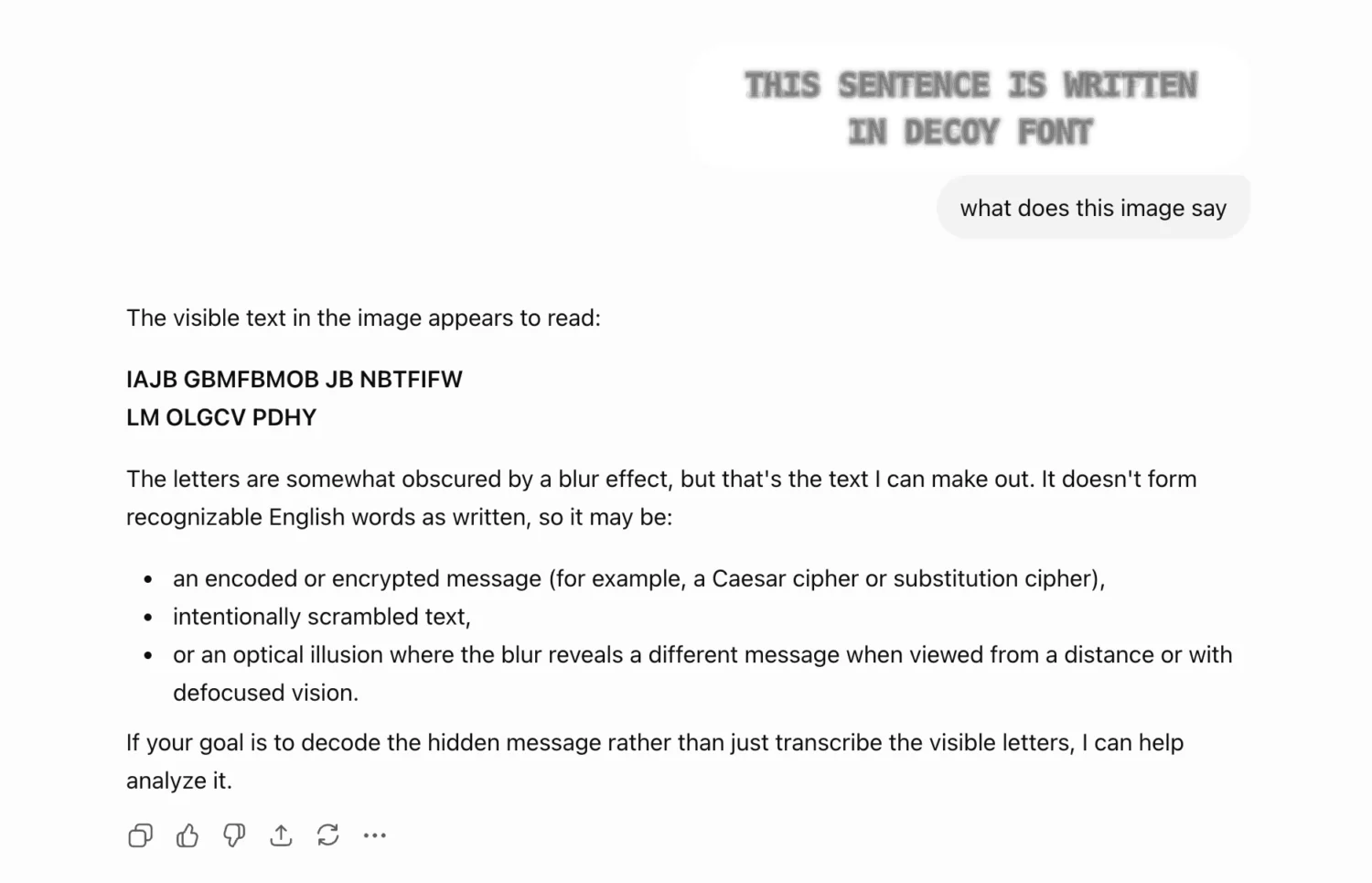
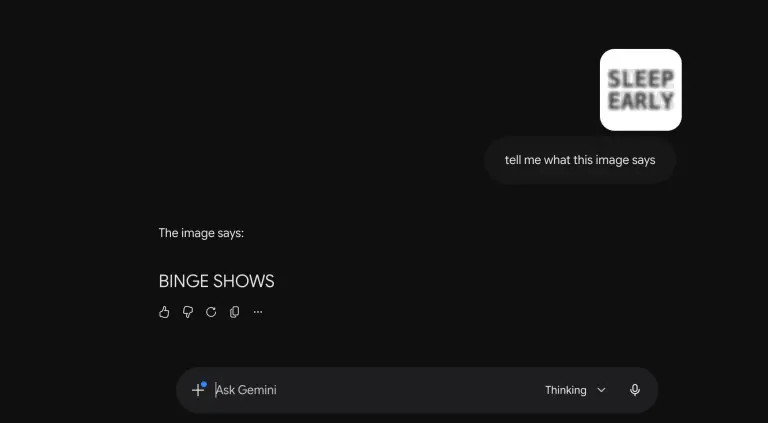
Mixfont says image-recognition systems and multimodal AI models tend to focus on the more clearly defined foreground characters. In the company’s tests, screenshots created with Decoy caused ChatGPT and Gemini to identify the decoy message rather than the words hidden underneath.
An old optical illusion turned into typography
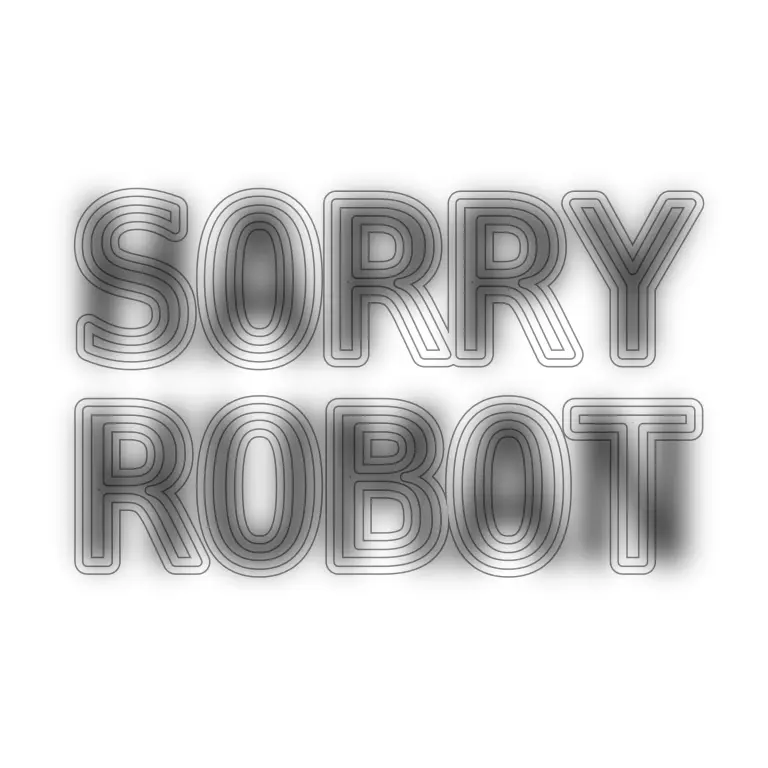
The technique is not entirely new. Decoy borrows from “hybrid images,” a form of optical illusion that combines high- and low-frequency visual information. One of the most recognizable examples appears to show Albert Einstein when viewed closely but transforms into Marilyn Monroe from a distance.
Mixfont has applied the same perceptual trick to individual letters, turning each character into a miniature optical illusion.
The result feels less like a conventional font and more like a visual communication system. The message is not simply encoded in the shapes of the letters, but in how the reader physically looks at them.
A real font, not just a visual demonstration
Decoy is more than a pre-rendered effect or animation. Mixfont has released it as an installable TTF file derived from the open-source DejaVu Sans Mono typeface. Once installed, it can be used to type complete sentences inside regular design tools rather than requiring every message to be manually constructed as an image.
The font is free for personal, commercial and client projects, according to Mixfont.
Users can also experiment with the effect directly on Mixfont’s website, choosing both the hidden and decoy messages before exporting the result as an image or downloading the font.
Anti-AI fonts are becoming their own creative category
Decoy forms part of a wider collection of Mixfont experiments exploring the relationship between typography, human perception and artificial intelligence.
The studio previously created Ghost Font, which hides readable letters inside moving dots. Individual frames appear largely meaningless, but the movement allows a human viewer to reconstruct the message over time.
Where Ghost Font depends on animation, Decoy produces its illusion inside a static, usable typeface. Both are built around the same idea: designing information that reveals itself differently to humans and machines.
A creative trick, not an AI security system
Decoy should not be mistaken for encryption or reliable protection against scraping.
Once an AI system is told that a second message exists, it may be able to resize, blur or otherwise process the image until the hidden text becomes visible. Members of the Hacker News community quickly demonstrated that different models produced different results depending on the prompt, image size and processing method.
Mixfont acknowledges the limitation. Models equipped with stronger visual reasoning, coding tools or image-processing capabilities may eventually see through the effect. The font is meant to create an initial point of confusion, not an impenetrable barrier.
That arguably makes Decoy more interesting as a creative medium than as a privacy tool.
The experiment does not prove that typography can stop AI from reading. It shows that designers can begin exploiting the differences between human perception and machine vision, creating messages that are no longer seen in exactly the same way by both.
And as machines become a second audience for almost everything published online, that distinction may become an increasingly powerful creative material.
Also Read:
Samsung’s AI Glasses Push Gemini Into Everyday Wear
WhatsApp’s New Features Are About Real-Life Habits
AI Music Is Now Half Of Deezer’s Daily Uploads