Samsung’s next AI move is not another phone feature. It is a bet that the face is becoming the next interface.
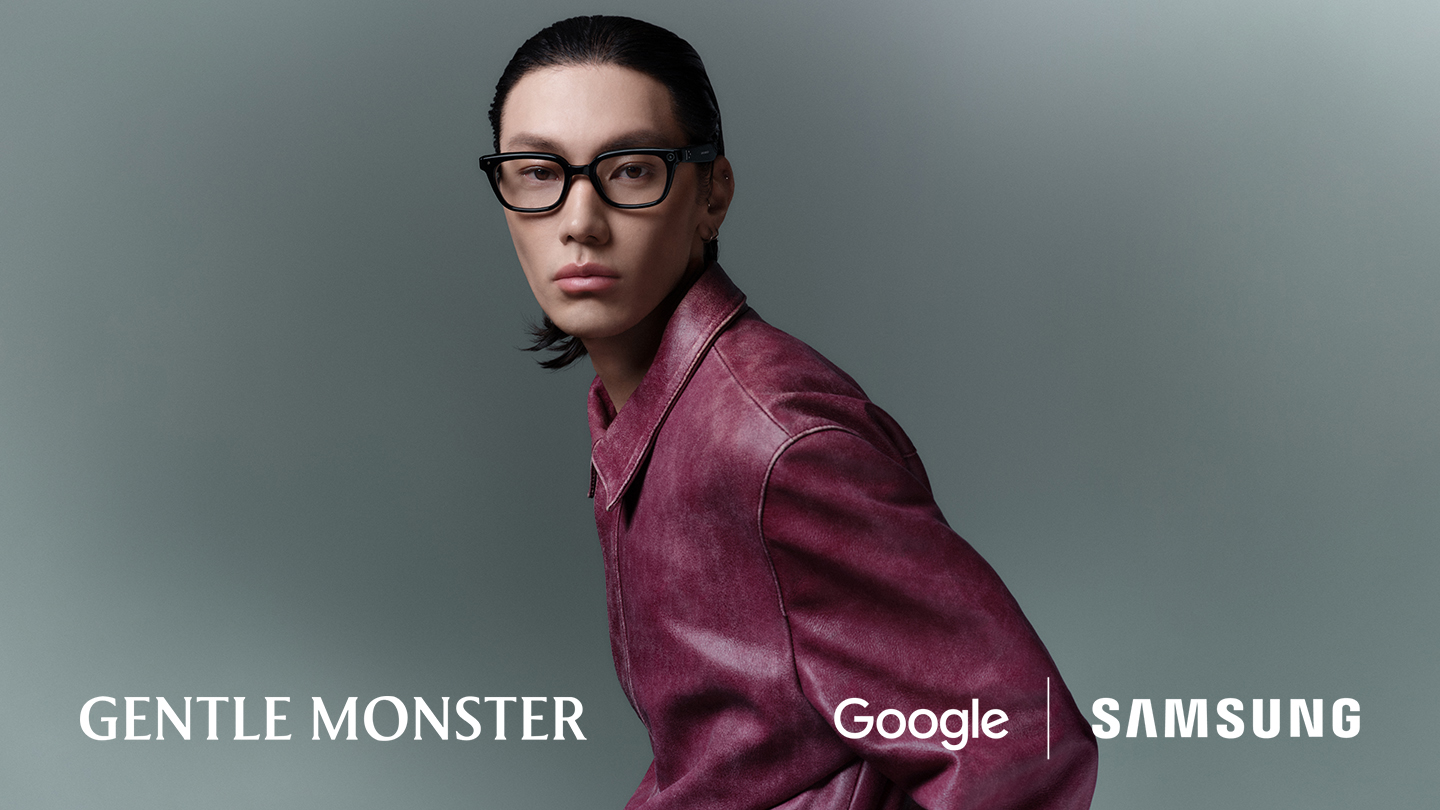
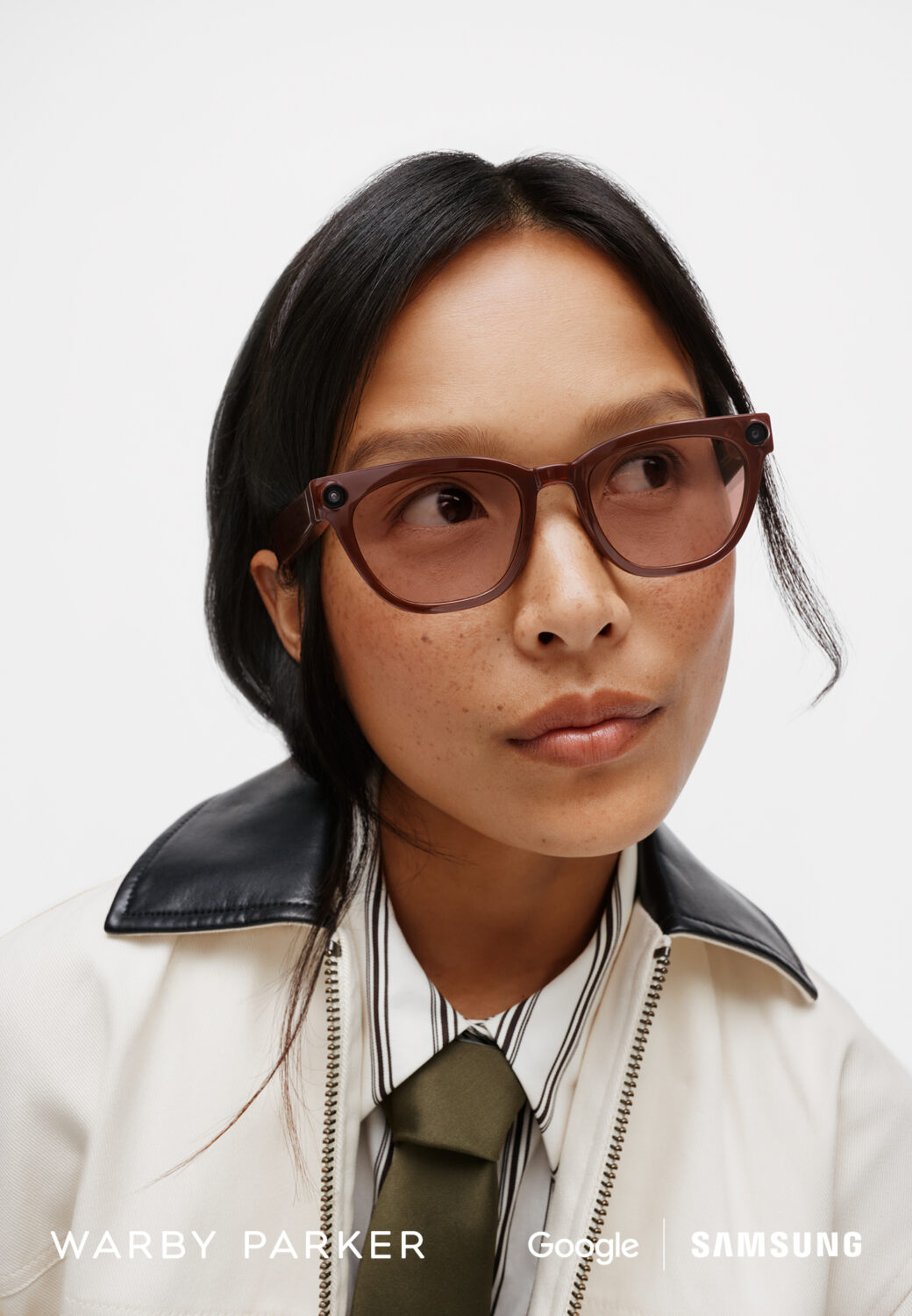
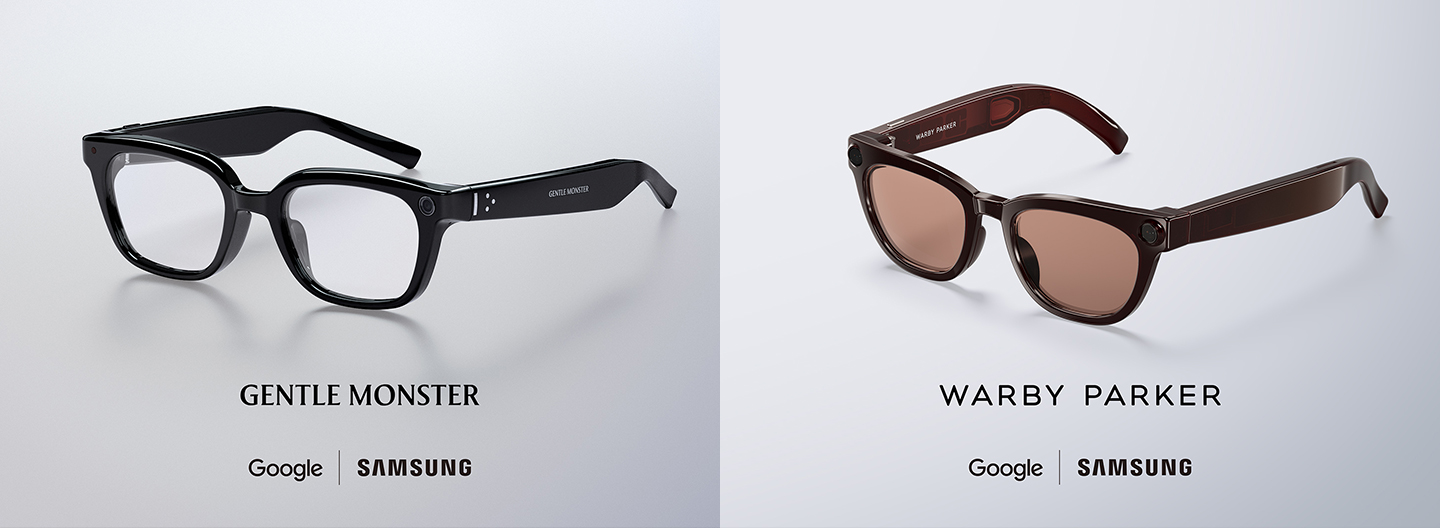
At Galaxy Unpacked Samsung unveiled its first intelligent eyewear, built with fashion eyewear names Gentle Monster and Warby Parker. The glasses are powered by Google Gemini and support Android XR, positioning them less like a novelty gadget and more like a wearable AI layer for daily tasks.
The practical pitch is straightforward: hands-free translation, note taking, and navigation. In other words, Samsung is not starting with a sci-fi demo. It is starting with moments where pulling out a phone already feels slightly clumsy.
The pitch is useful before it is futuristic
That choice matters. AI glasses have a trust problem before they have a feature problem. People need to know what the device does, when it helps, and why it should sit on their face all day. Samsung’s answer, at least for now, is utility: translate what you hear, capture notes without typing, and guide you without making you stare at a screen.
The partnerships also do some important work. Gentle Monster gives Samsung a fashion-forward signal. Warby Parker brings a more everyday eyewear association. That combination suggests Samsung understands one of the hardest parts of smart glasses: the technology can be impressive, but the product still has to look wearable in public.
This is where the story becomes bigger than Samsung. The winning interface for consumer AI may not be the chatbot window. It may be the device that disappears into normal behavior. We have seen a similar product logic in software, where the most useful updates are the ones built around real-life habits rather than feature novelty. Glasses take that idea further because the interface is not something you open. It is something you are already wearing.
Android XR gives the glasses a bigger job
Samsung’s glasses also matter because they sit inside Google’s broader Android XR push. That gives the product a clearer software context than many earlier smart eyewear attempts. Gemini is not just an assistant bolted onto frames. It becomes part of a wearable computing stack that could eventually connect apps, voice, vision, search, navigation, and ambient help.
That does not mean adoption is guaranteed. Smart glasses still need to solve battery life, privacy cues, camera anxiety, social comfort, and price. But Samsung’s framing is notable because it avoids making the glasses only about content capture or spectacle. The company is selling small moments of assistance.
For brands and marketers, the near-term lesson is not to start imagining ads floating in front of people’s eyes. That is the lazy version of this story. The more important shift is behavioral: if AI eyewear works, it changes when people ask for information, how they move through physical spaces, and what kind of contextual help feels natural.
Samsung is entering the AI glasses race with partners, Gemini, and Android XR support. The strategic consequence is simple: AI is moving from something users summon on a screen to something platforms want present before the user even reaches for one.
Also Read:
WhatsApp’s New Features Are About Real-Life Habits
Threads Joins Meta’s Parental Supervision Stack
WhatsApp’s Liquid Glass Redesign Is Coming To Mac