


Apple is launching iOS 27 on September 14.
Siri AI will get most of the attention. But the feature people may appreciate first is finally being able to change their alarm volume without also changing their ringtone.
That contrast captures the update rather well.
iOS 27 introduces Apple’s long-awaited AI overhaul alongside dozens of smaller improvements involving widgets, performance, search, child safety and the Liquid Glass interface.
The headline is AI. The everyday story is friction.
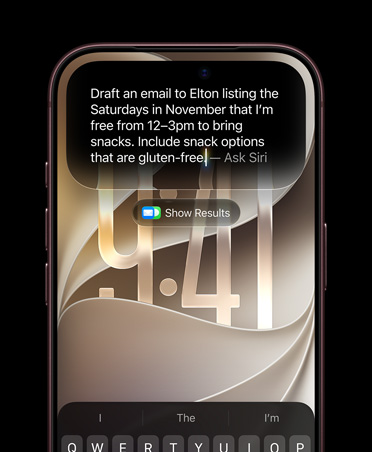
Siri AI Becomes The Front Door
The new Siri is designed to help users find information and complete tasks without knowing which app contains what they need.
It can search across emails, messages, photos and notes using personal context. It can understand what is visible on the screen, take actions inside apps and answer broader questions using information from the web.
A dedicated Siri app also stores conversations, allowing users to revisit or continue them across Apple devices.
Siri mode inside the Camera app brings the same interface into the physical world. Point the camera at an object, place or document and users can ask questions or take actions based on what the phone sees.
This changes Siri from a command system into a potential navigation layer for the entire iPhone. Instead of opening an app, locating the right information and completing several steps, users can increasingly describe the outcome they want.
The Best Changes Are Surprisingly Ordinary
Not every useful improvement requires artificial intelligence.
Apple is adding an opacity slider for Liquid Glass, allowing users to move between a clearer interface and a more heavily tinted appearance. The company has also adjusted contrast, refraction and app icons following criticism that its new visual language could sometimes make information difficult to read.
Widgets can now become significantly larger, while the clock on the lock screen can become smaller. Users will also get separate volume controls for ringtones, alarms, timers, alerts and system sounds.
These are not features designed to dominate a keynote. They are the adjustments people notice when using their phones every day.
Performance should also improve. Apple says apps can launch up to 30 percent faster, new photos can appear in the library up to 70 percent faster and AirDrop transfers can be up to 80 percent faster.
The iPhone Starts Connecting The Work Between Apps
iOS 27 also makes several built-in apps more proactive.
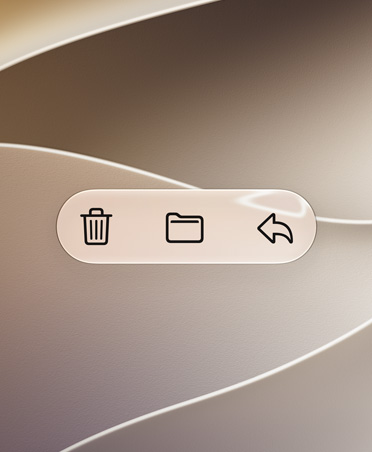
Safari can automatically organize tabs by topic and monitor websites for changes such as restocks or price drops. Mail gets more relevant search results. During a call with a business, Call Context can surface useful information from other apps, such as an airline confirmation stored in an email.
Messages and Mail can suggest actions based on a conversation, including adding something to Notes or creating a reminder. Apple is also developing one-tap repairs for compromised passwords, although that feature is scheduled for a later software update.
Parents receive more direct controls too. They can choose which system apps a child can access during setup, approve new websites through Messages and create different usage schedules for categories including games, entertainment and social media.
Individually, these updates look small. Together, they point toward an iPhone that understands the task surrounding the app, not only the action happening inside it.
Not Every iPhone Gets The Same Update
iOS 27 will be available as a free update for the iPhone 11 and later, including the second-generation iPhone SE.
Siri AI has narrower requirements. It will initially be available in beta only on Apple Intelligence-compatible devices set to English. Support for French, Japanese, Korean, Portuguese and Spanish is scheduled for October.
That means millions of older iPhones will receive the interface, performance and everyday app improvements without getting the update’s biggest advertised feature.
Apple is therefore launching two versions of iOS 27 at the same time: an operating-system update for nearly everyone and an AI platform for people with newer hardware.
The Real Upgrade Is Fewer Decisions
The most consequential part of iOS 27 is not any single feature.
It is the gradual removal of all the small decisions required to use a smartphone. Which app contains the confirmation number? Where was that photo saved? Which tab had the product? Which settings menu controls the alarm?
Apple wants the iPhone to understand those questions before users turn them into a series of taps.
Siri AI represents the most ambitious version of that idea. But separate volume controls, faster searches and a slider that makes buttons easier to read may improve the phone just as much.
The best operating-system updates eventually disappear into habit.
iOS 27 may be remembered for Siri AI. It may be enjoyed for everything users no longer have to think about.