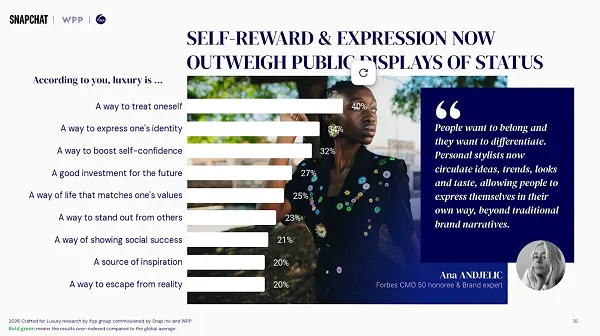
Luxury shopping is becoming harder to separate from social behavior. A report commissioned by Snapchat suggests that the platform’s value is not only in showing people expensive products. It is also in helping them feel closer to the world those products represent.
The findings come from a survey of more than 9,000 luxury consumers across nine global markets. The research was conducted by APP Media and Ifop Group, according to the report. That gives the story more weight than a platform trend claim based only on Snapchat’s own audience data, although the original study should still be reviewed before publication.
Luxury discovery is becoming a social confidence game
Across the wider group of luxury shoppers, 76% said social platforms made them feel close to the luxury universe. Among Snapchat users, that figure rose to 84%. The difference matters because it frames social media as more than an awareness channel. It becomes part of how people gain familiarity with a category, understand its codes and decide whether a product feels relevant to them.
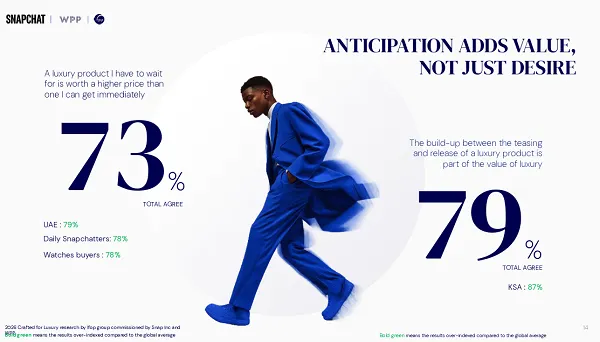
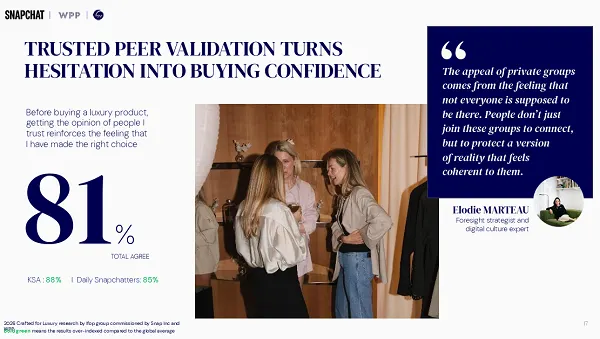
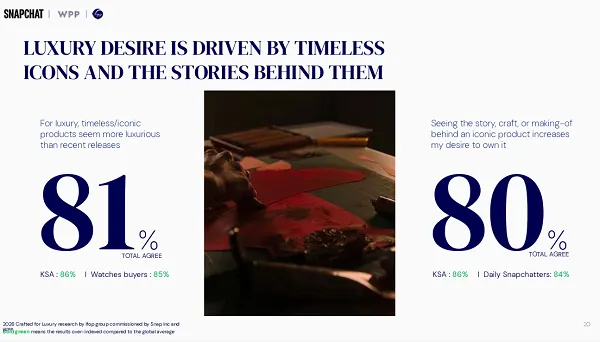
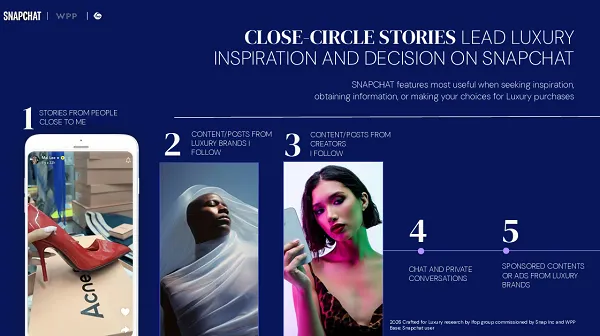
The report also points to scarcity and peer validation as important parts of the purchase process. For Snapchat users specifically, content from close connections was identified as a key driver of luxury purchase decisions. That is a meaningful distinction from the broad-reach logic that still shapes much luxury advertising.
On Snapchat, the persuasive moment may happen inside smaller social circles, where a recommendation feels less like an ad impression and more like a signal from someone whose taste is already known.
The platform implication is smaller, closer influence
That does not make Snapchat a luxury marketplace by default. It does suggest that luxury brands should think beyond polished product exposure. The useful question is whether a campaign gives people something to discuss, validate or pass between trusted connections.
This is part of a broader shift in social commerce. TikTok’s move to connect inspiration with shopping and travel shows one version of the trend, built around open discovery. Snapchat’s reported findings point to another version, where purchase confidence is built through intimacy and peer context.
For luxury brands, the strategic consequence is clear: social influence is not always about reaching the largest possible audience. In some categories, the more valuable signal may come from making the right person feel close enough to the product to share it with someone else.
Also Read: