Game creation moves from studio to prompt
Roblox is making its biggest creation pitch even simpler: type what you want, and let AI make the first version.
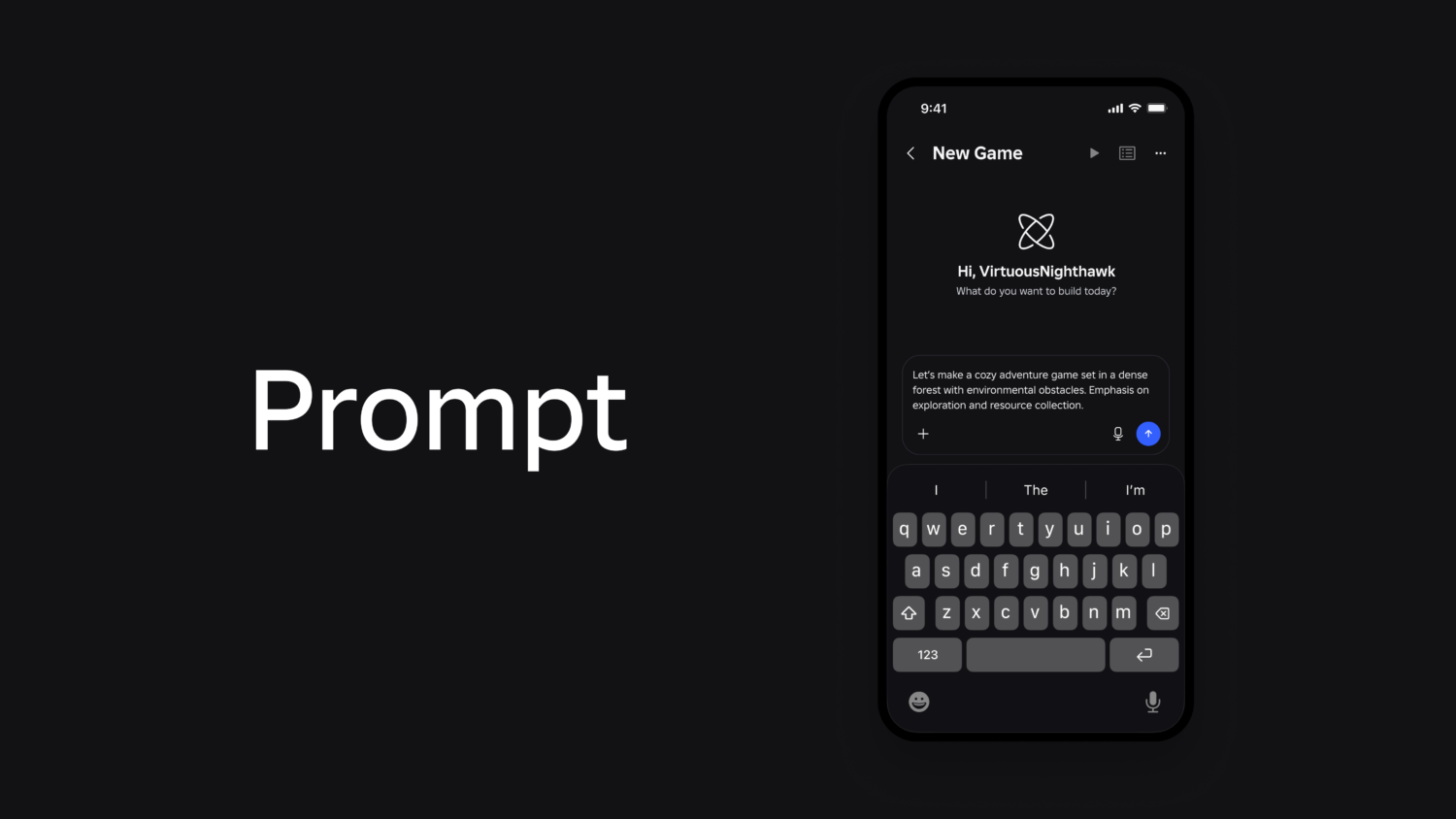
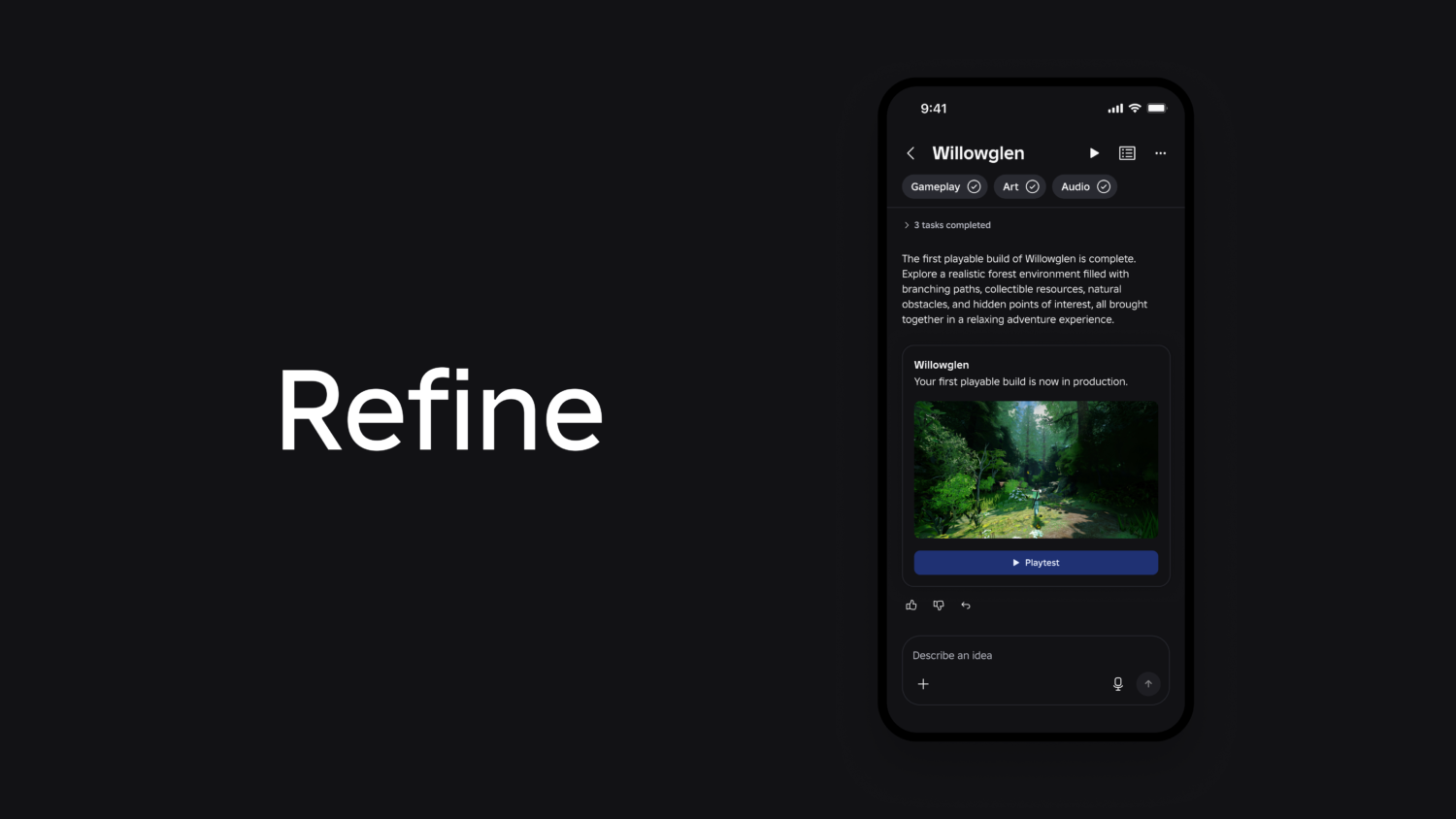
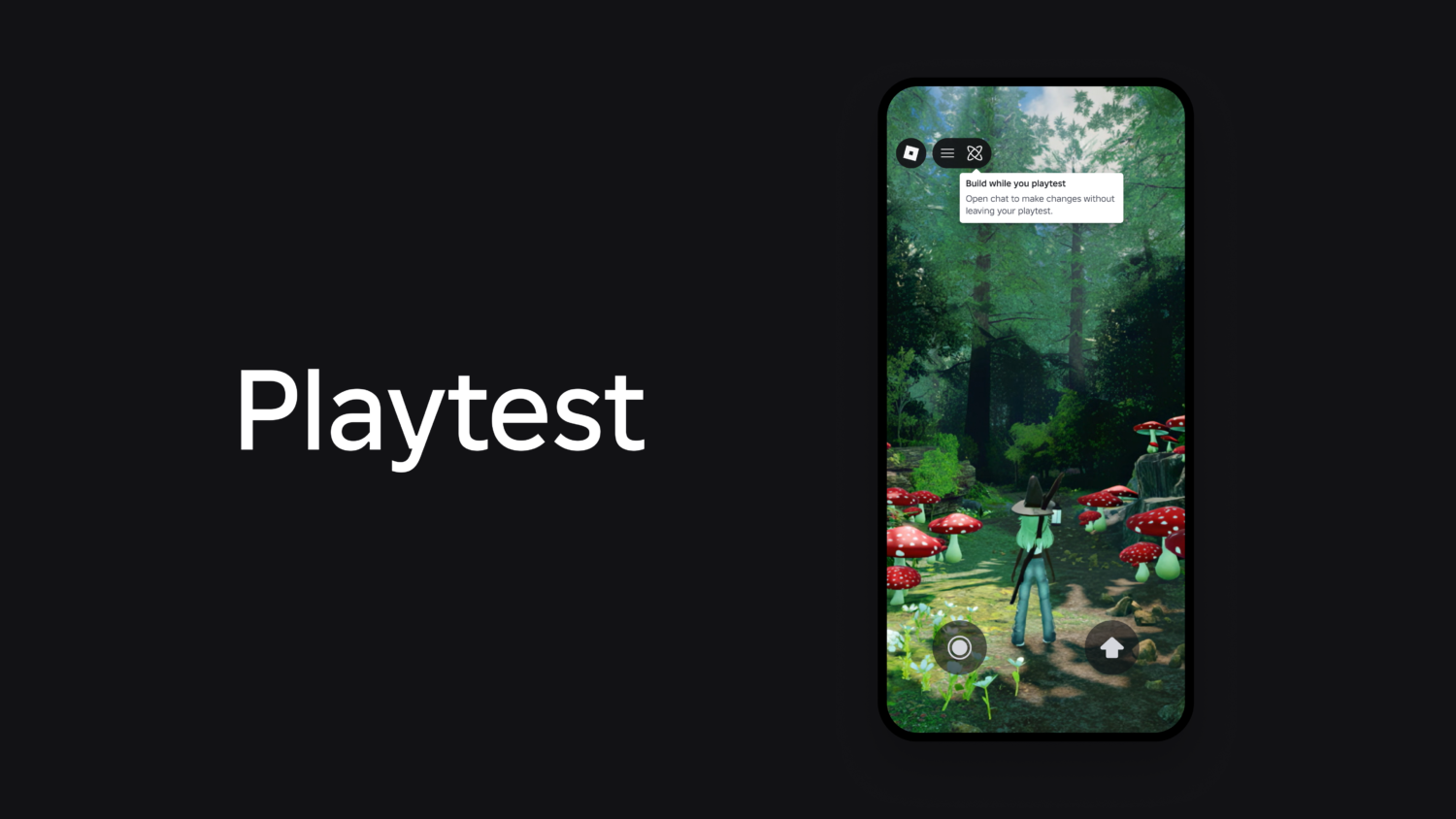
The company is launching Build, a new AI-powered feature inside its mobile app that lets users generate basic games from a text prompt, without needing programming experience. One example given by the company is as simple as: “Let’s make a cozy adventure game set in a dense forest.” From there, Build creates an initial version of the game that users can modify and share with friends.
That is the important part. Roblox is not just adding another tool to the existing Roblox creation stack. It is moving the starting point of game-making away from blank-canvas production and toward conversational intent. For a platform built on user-generated worlds, the first barrier has always been getting from idea to something playable. Build tries to collapse that gap.
Roblox says the feature is powered by a broad set of AI models, including both open-source models and proprietary Roblox models. It can handle gameplay mechanics, environments, characters, visual style, sound, and more. In other words, the prompt is not only generating scenery. It is trying to assemble the skeleton of an experience.
The mobile angle matters too. Roblox has long been a creation platform, but serious creation has traditionally lived closer to desktop workflows and Roblox Studio-style production. Putting AI creation into the mobile app changes who gets to experiment. The next wave of Roblox creators may not start by learning tools. They may start by describing a vibe.
The real test is discovery, not generation
Of course, making games easier to generate creates the obvious problem: what happens when everyone can make one?
That tension is already familiar across creative industries. TechCrunch notes that Google, Microsoft, and Tencent have been building similar AI game generation tools, while developers and players have raised concerns about an influx of low-quality, repetitive games. The concern is not theoretical. This year’s Game Developer Conference State of the Game Industry survey found that 52% of game industry professionals believe generative AI is having a negative impact on the industry.
Roblox’s answer is discovery. The company says AI-generated games will be ranked based on player retention, similar to the way other games are surfaced on the platform. If people do not play a game, it will not be featured as prominently. Or, as Roblox put it: “If no one plays it,no one can find it.”
That line is doing a lot of work. Roblox is effectively saying that creation can be automated, but attention still has to be earned. The platform can make the act of producing a game radically easier, but it still needs the homepage to reward what people actually want to stay with. Otherwise, AI creation becomes another content flood.
Build will enter public alpha testing on July 28, starting in New Zealand for users aged nine and older who have verified their age. That limited rollout is sensible. Roblox is testing not only whether the model can make decent games, but whether younger users can understand, edit, and share AI-generated experiences without overwhelming the platform.
For brands, creators, and entertainment IP owners watching Roblox, the signal is clear: the cost of prototyping interactive worlds is falling fast. The harder advantage will not be access to creation tools. It will be taste, retention, and the ability to turn a prompt into something people actually come back to.
Also Read:
LinkedIn Is Using AI To Rethink How Your Feed Actually Works
Instagram Adds “AI Creator” Labels to Boost Transparency
Snapchat Turns Ads Into Conversations With AI Sponsored Snaps