


Instagram is testing a return to long-form video. The move looks like a format expansion, but the bigger shift is behavioral: Instagram wants to keep creators and their audiences inside the app for the entire viewing journey, from the short clip that earns attention to the longer episode that earns time.
Instagram is already testing a video format called “Features,” allowing creators to upload videos of up to 90 minutes. The test began in Brazil and is expanding in a small way to the U.S.
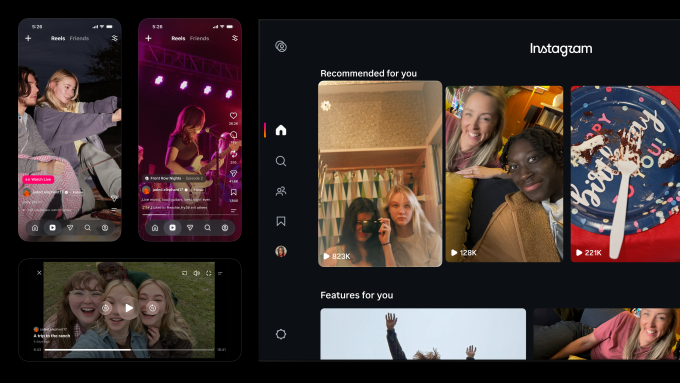
Instagram is rebuilding the path from discovery to depth
The important detail is that Instagram is not abandoning Reels. Adam Mosseri said short-form video remains central because Reels drives shares and direct messages. The new bet is that short-form and long-form can work together rather than compete for the same job.
Instagram is testing “Clips as Reels,” which lets creators turn sections of a longer video into Reels that link viewers back to the full version. Viewers can also save longer videos for the Instagram TV app. The company is working on better Live discovery and a profile hub for episodic Reels, giving connected short-form posts a more structured home.
That creates a clearer funnel inside Instagram. Reels can introduce the creator. A Feature can hold the viewer. Episodic Reels can give the audience a reason to return. The platform is moving closer to the logic that made YouTube powerful: one creator can offer multiple viewing depths without sending the audience elsewhere.
It also echoes YouTube’s growing emphasis on user-controlled viewing environments. YouTube is letting viewers build their own home feed, a sign that the competition is increasingly about who controls the route into content, not simply who has the best short-video feed.
The creator economy problem is still waiting
Instagram’s strategic reason for doing this is straightforward. Short-form video is excellent at creating reach, but it is harder to monetize consistently. TechCrunch notes that Instagram primarily pays creators through brands, subscriptions, and a relatively small performance-based program. YouTube, by contrast, shares 55% of advertising revenue from videos with creators enrolled in its Partner Program.
Longer videos give Meta more room to experiment with advertising and creator payouts. But the company has not yet committed to a long-term monetization model. A Meta spokesperson said it was exploring ways for creators to earn from brands, fans, and Instagram, including performance-based incentives.
That uncertainty matters. A 90-minute upload limit does not automatically create a YouTube-sized creator business. Creators will need evidence that long-form production receives meaningful distribution, that audiences will watch beyond the opening clip, and that the money justifies the additional work.
For now, Instagram is testing whether its strongest advantage is not video itself, but proximity. It already has the creator relationships, social graph, messaging behavior, and brand activity. If it can add deeper viewing without weakening Reels, it may give creators fewer reasons to treat Instagram as merely the trailer for their real channel somewhere else.
The strategic consequence is clear: Instagram is no longer content with owning discovery. It wants to own the full creator relationship, including the longer moments that make audiences, and eventually advertising, more valuable.