


Google Photos just introduced a set of new touch-up tools designed for quick, subtle fixes, the kind that used to require jumping into third-party apps.
Users can now remove blemishes, smooth skin, brighten eyes, whiten teeth, and tweak details like eyebrows or lips, all directly within the editor.
The experience is simple: tap on a face, choose a tool (like “heal,” “smooth,” or “under eyes”), and adjust the intensity.
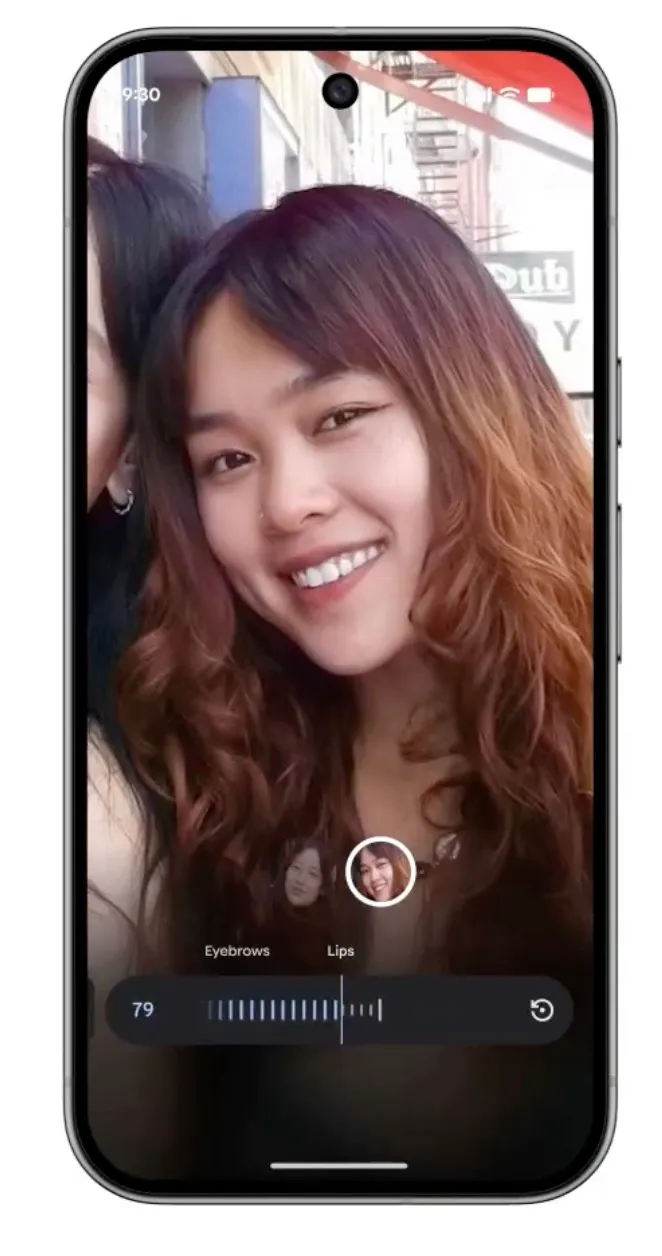
It’s less about heavy editing and more about light refinement, small changes that make a photo feel “better” without completely altering it.
The rollout is gradual and limited (for now) to Android devices running 9.0+ with at least 4GB of RAM, but the intent is clear. By expanding native editing capabilities, Google is trying to keep users inside its ecosystem, cutting down the need for apps like Facetune or Photoshop Express.
But there’s a broader tension here.
As these tools become more accessible, and more normalized, the line between enhancement and alteration continues to blur.
Research has already pointed to the potential downsides of constant retouching, from lower self-esteem to distorted body image expectations.
Google isn’t introducing anything radically new. It’s just making it easier. And that might be the real shift.