


For creators, the most valuable profile page may no longer be on a social platform. It may be the one that appears before anyone clicks anywhere else: Google Search.
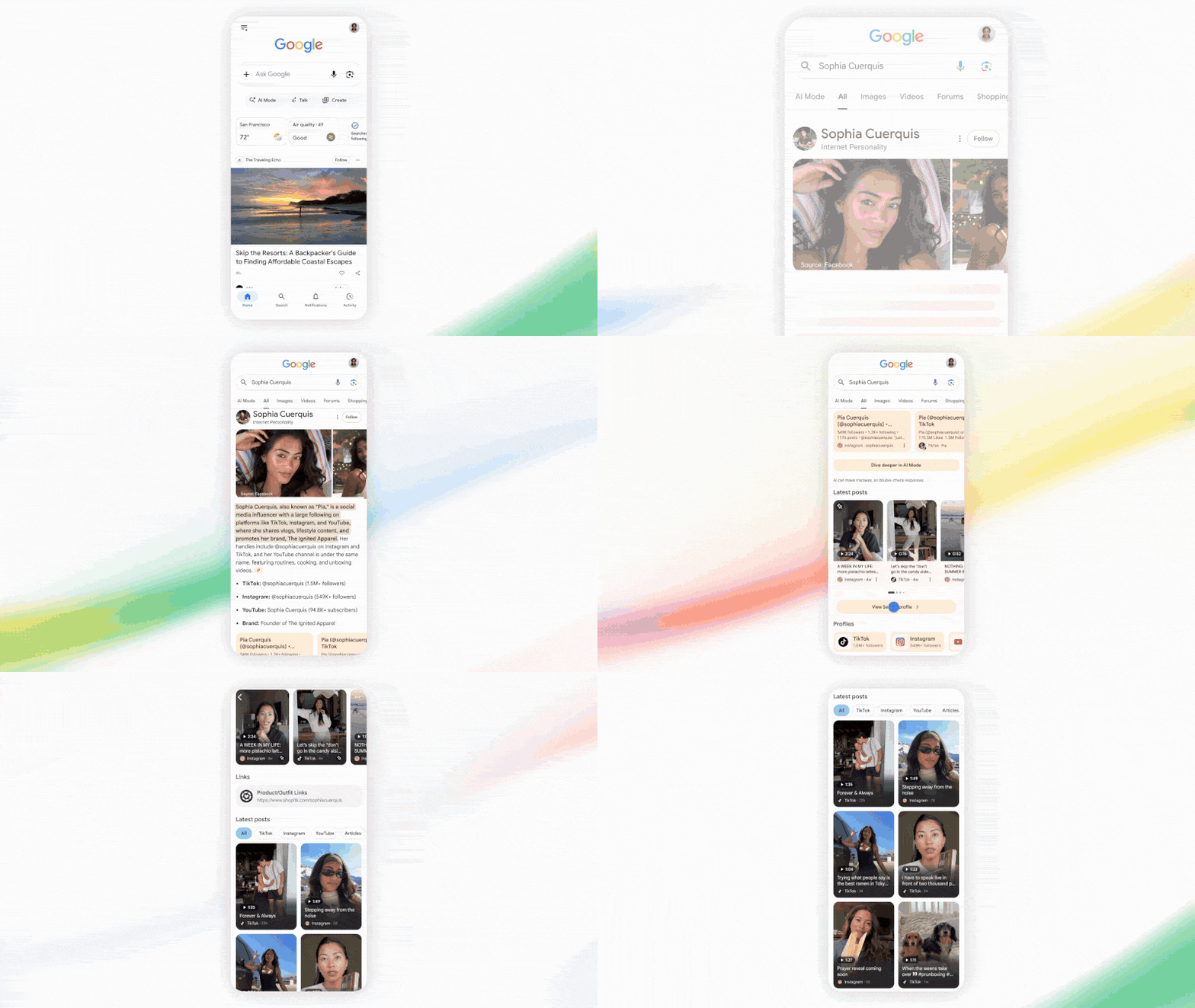
Google is now letting big creators and publishers in the US claim dedicated profiles in Search. Those profiles can be customized to highlight what they do online, including videos and articles. The feature is aimed at people and publishers with enough followers to qualify, and it gives them more control over a highly visible part of their search result page.
Search Becomes A Public Profile
Until now, Google results for a creator or media brand have mostly been something to influence from the outside. You could optimize a website, keep social accounts active, update structured data, earn coverage, and hope the right mix surfaced when someone searched your name.
This new profile format changes that relationship. A creator or publisher who qualifies can claim a dedicated Search profile and decide which parts of their online work deserve the spotlight. The Verge’s report points specifically to videos and articles, which matters because those are not just identity signals. They are active content formats that can move audiences to watch, read, subscribe, buy, or follow.
In other words, the search result becomes more than a reputation snapshot. It becomes a curated front door.
From Being Found To Being Framed
There is a subtle but meaningful difference between discoverability and presentation. Discoverability answers the question: can people find you? Presentation answers a harder one: what do they understand about you when they do?
For creators, that first impression is often messy. A Google search can pull together a YouTube channel, an Instagram account, a news article, an old interview, a podcast appearance, a product page, and a fan wiki. Some of it may be useful. Some of it may be outdated. Some of it may not reflect what the creator is currently trying to build.
By letting certain creators and publishers customize a Search profile, Google is giving them a way to organize that first impression without forcing audiences to start on one specific platform. That is different from a link-in-bio page, which only works after someone lands on a social profile. This appears where people often go first when they are verifying who someone is.
The First Result Is Now Brand Media
For brands and marketers, this is especially relevant in creator partnerships and personality-led businesses. A campaign does not end when a video goes live or an article is published. People search the creator, the publisher, the founder, the spokesperson, or the collaboration after seeing it elsewhere.
If a qualified creator can use their Search profile to highlight current videos, recent articles, or other key work, the top of Google becomes part of the campaign surface. That matters for launches, press moments, tour dates, product drops, media appearances, and branded content that needs a longer shelf life than a feed post.
It also raises the bar for how creators manage their public identity. The question is no longer only what gets posted on each platform. It is what should be visible when a brand, fan, journalist, buyer, or collaborator searches the name behind the work.
So what now?
For years, creators have treated Google as the place that reflects their online presence. This feature points to something more active: Google as the place where that presence can be arranged.
But the feature is not being opened to everyone. For the moment, it is only available to big creators and publishers in the US, with follower scale playing a role in eligibility.
Smaller creators, local publishers, independent professionals, and emerging personal brands will still need to rely on consistent profiles, clear websites, good metadata, and search-friendly publishing.