Fast-food chains have always rolled out the red carpet for children, complete with colorful boxes, surprise toys and menus designed especially for them. Adults, meanwhile, have largely been left to order a regular meal and watch from the sidelines.
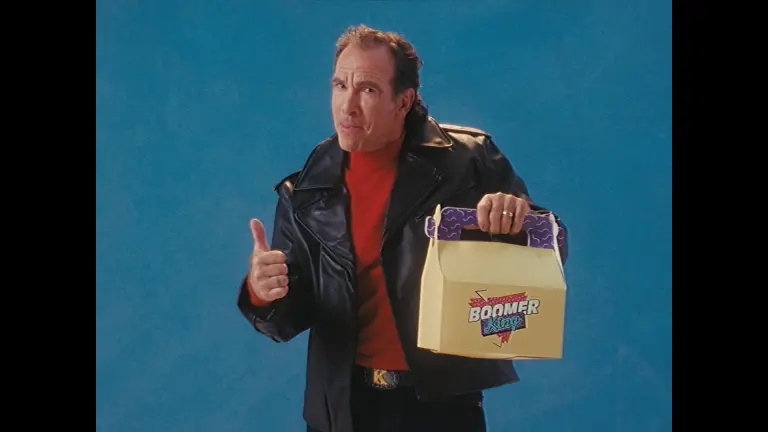
Burger King France is correcting that injustice with the Boomer King, a limited-edition menu created for the generation that grew up watching television in the 1980s and 1990s.
Launched on July 21 under the appropriately retro banner “3615 Code Nostalgie,” a cultural reference to the French Minitel years, the campaign transforms childhood nostalgia into a complete fast-food experience, from the food and packaging to a collection of pop-culture merchandise.
A Kids’ Menu for Grown-Ups
Despite its name, the Boomer King is not really aimed at baby boomers. Instead, Burger King is playfully embracing the way the term “boomer” is now used online to describe almost anyone old enough to remember life before smartphones.
The real audience is the group that spent its childhood watching shows such as Charmed, Beverly Hills, 90210, Saved by the Bell and Knight Rider.
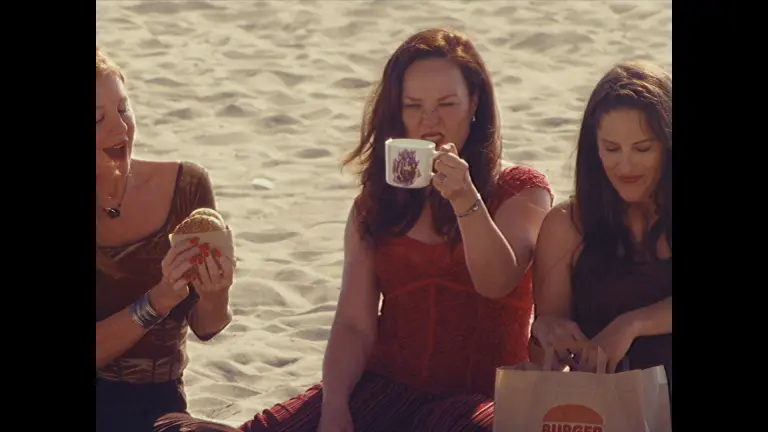
Each Boomer King box includes a collectible item inspired by one of those programs. The available merchandise includes *Saved by the Bell* socks, a *Knight Rider* T-shirt, a *Charmed* mug and a *Beverly Hills, 90210* drinking glass.
It is essentially the surprise toy from a children’s meal, reimagined for people now old enough to feel genuinely excited about receiving a branded mug.
Nostalgia Is Also on the Menu
Burger King has extended the retro concept beyond the merchandise.
The Boomer King menu includes Canada Dry and a King Fusion dessert featuring Galak, the white chocolate brand many French consumers will immediately associate with their childhood.
That makes the campaign more than a collection of familiar television references. It uses taste, packaging and recognizable brands to reactivate specific memories, turning an ordinary restaurant visit into a wider nostalgia experience.
Rather than simply telling customers to remember the past, Burger King is giving them something from that past to eat, drink, wear and take home.
Burger King Recreates the Television Intros of the Era
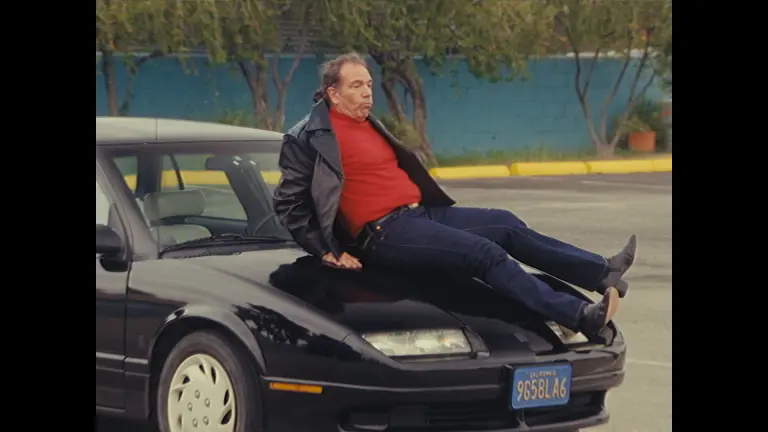
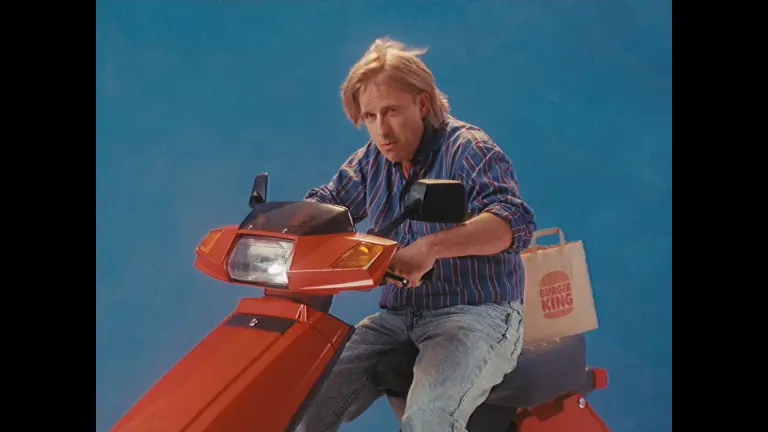
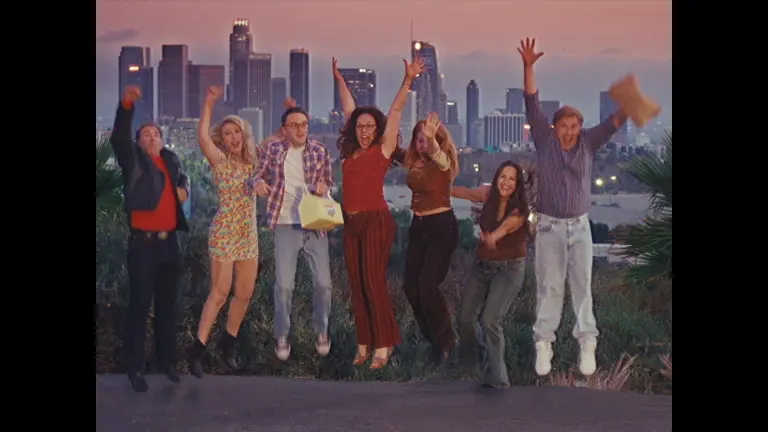
The campaign film follows the same strategy. Instead of giving the Boomer King a polished contemporary advertisement, Burger King and creative agency Buzzman recreated the exaggerated style of classic television opening credits.
The music, editing, poses and visual treatment deliberately evoke the unapologetically cheesy introductions that defined many shows from the period.
The casting adds another layer to the joke. The people appearing in the recreated sequences have visibly aged, just like the audiences who originally watched those programs.
It prevents the campaign from becoming a sanitized celebration of the past. The humor comes from recognizing both the cultural references and the uncomfortable reality that several decades have passed since they first appeared on television.
Turning Recognition Into Participation
Burger King and Buzzman have repeatedly built campaigns around shared cultural references, irreverent humor and ideas that audiences can immediately understand.
The Boomer King follows that formula closely. Its references require almost no explanation for the intended audience. Seeing the *Knight Rider* aesthetic or a *Charmed* mug is enough to communicate the idea.
That immediate recognition also makes the campaign naturally shareable. People are not simply reacting to a Burger King promotion; they are identifying which show, object or childhood memory belongs to them.
The product becomes a way for consumers to publicly recognize themselves as part of the same generation.
Nostalgia Packaged for Fast-Food Culture
The campaign has been running since July 21 across television and online video, with 10-, 20- and 30-second versions designed around repetition and instant recognition.
It is a simple strategy: use familiar cultural signals to make the product understandable within seconds, then give people a tangible reason to visit a restaurant.
With the Boomer King, Burger King is not merely referencing nostalgia in its advertising. It has packaged nostalgia as the meal itself.
Also Read:
This Decoy Font Shows Humans One Message and AI Another
Adidas Turned World Cup Moments Into A Marketing Edge
Carlsberg Turns Billboards Into Football Goals