


Apple is making the upgrade cycle feel a little less like a purchase decision and a lot more like a subscription habit.
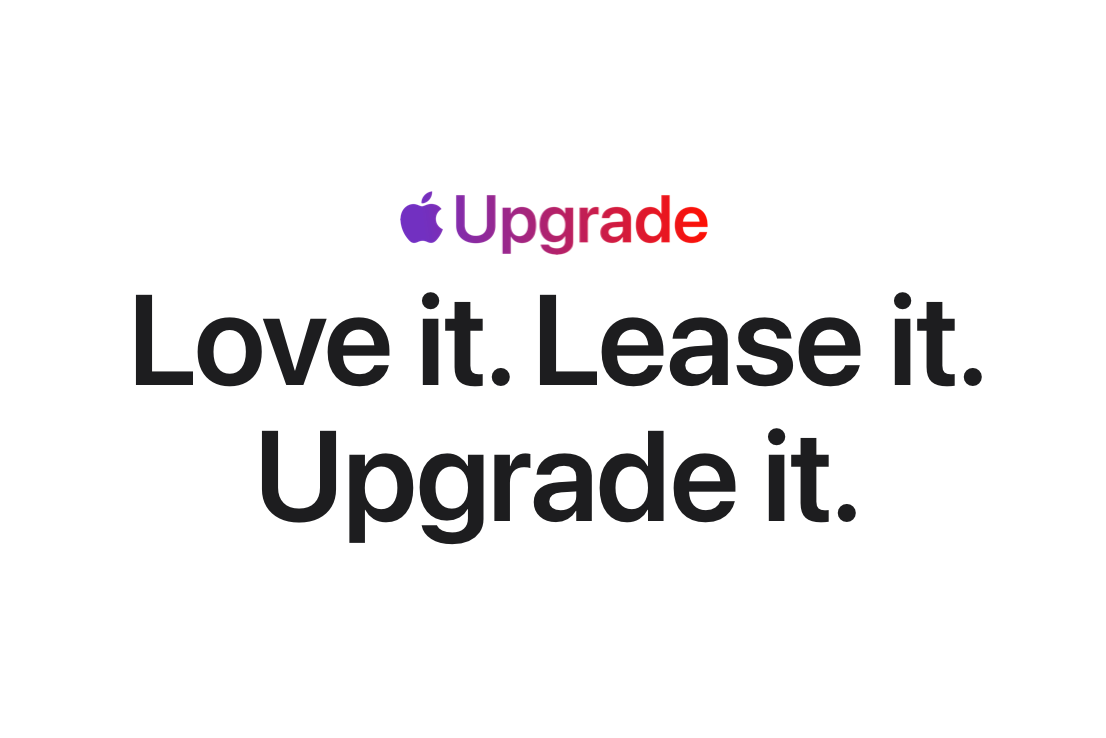
Its new Apple Upgrade program is now live, letting customers lease an iPhone, iPad, Mac, or Apple Watch and pay monthly through Klarna instead of buying the device outright. That is the important part: this is not just about spreading the cost of one iPhone. Apple is extending the monthly upgrade logic across its core hardware lineup.
Apple Upgrade turns the hardware sale into a payment relationship
The mechanics are simple. Apple Upgrade is described as a leasing program. It applies to four major Apple categories: iPhone, iPad, Mac, and Apple Watch. Customers pay monthly. Klarna sits inside the transaction as the financing partner. And the pitch is clear enough: get the device now without treating the full retail price as a single upfront hit.
That matters because Apple hardware has become more expensive, more durable, and more central to everyday life. A Mac is no longer just a computer. An iPhone is not just a phone. An Apple Watch is a health, notification, and payments layer on the wrist. When those products become essential, the purchase model starts to look old-fashioned. People may still want the latest device, but they do not always want the psychological weight of “buying” it.
Leasing softens that moment. It turns the question from “Can I afford this device today?” into “Can this monthly payment fit into my life?” That is a very different kind of consumer behavior, and Apple knows it.
The real product is the upgrade rhythm
Apple has long benefited from the upgrade cycle, but Apple Upgrade pushes that cycle into a more formal habit. If the device is leased, ownership becomes less emotionally fixed. The next iPhone, iPad, Mac, or Apple Watch can feel like part of the arrangement rather than a separate, expensive decision.
This is where the move gets more interesting than finance. Apple is not only reducing friction at checkout. It is reshaping how people think about access, ownership, and replacement. The company gets a more predictable relationship with customers. Customers get a cleaner path into higher-priced devices. Klarna gets a role inside one of the most valuable consumer tech buying moments.
It is the same broader product lesson we are seeing across mature digital platforms: useful updates win when they map to real habits, not just new surfaces. That is why WhatsApp’s recent feature direction is interesting in a different category. The winning move is not always a flashy new product. Sometimes it is making the existing behavior easier to repeat.
For Apple, that behavior is upgrading. Not once every few years after a long internal debate, but as a managed, monthly relationship with the brand. The strategic consequence is simple: Apple is making the next device feel less like a purchase and more like the natural continuation of the one already in your hand.