Steve Jobs once called the idea of a touchscreen Mac “ergonomically terrible.”
Apple just launched one anyway.
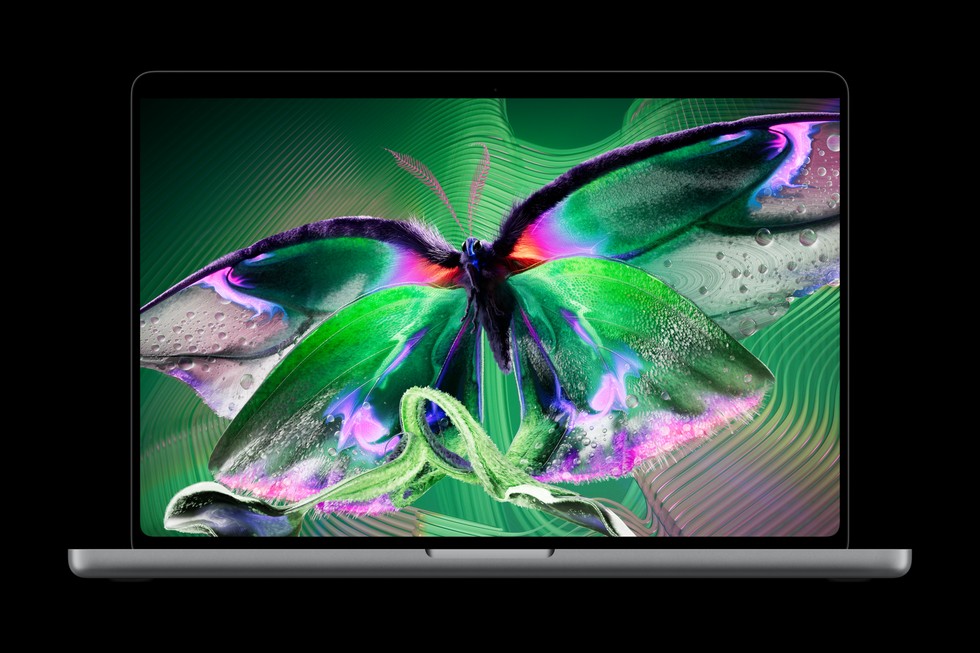
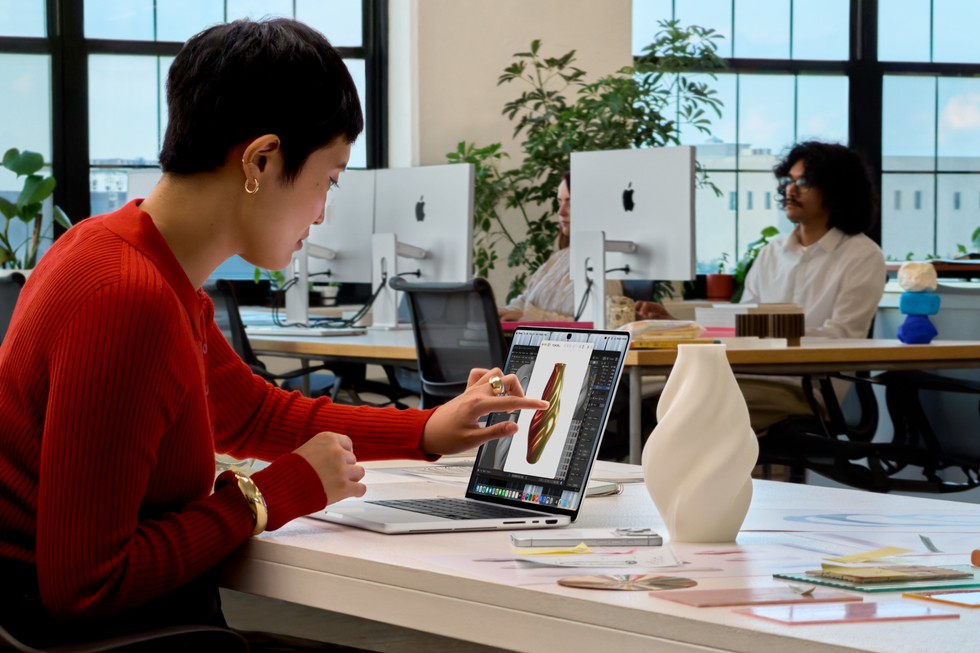
The new MacBook Pro with PROLED XDR Display is the first Mac designed for direct touch, available in 14- and 16-inch versions starting at $2,899. It arrives November 6 with M5 Pro or M5 Max chips, a thinner design, tandem OLED display and, yes, a screen you are actually supposed to touch.
Apple Did Not Turn The Mac Into An iPad
That is the interesting part.
Apple has spent years defending a clear line between the Mac and iPad. The iPad gets touch. The Mac gets a keyboard, mouse and trackpad.
Touch does not erase that distinction.
The keyboard and trackpad remain exactly where they were. Apple describes touch as another way to interact with macOS: swipe through webpages, pinch photos, move slides, draw directly in creative apps or play instruments inside Logic Pro. A redesigned hinge keeps the display stable when users press it.
Existing Mac apps also do not suddenly need to become giant iPad interfaces. Apple says macOS automatically translates touch input into clicks, while developers can build deeper touch interactions through new APIs.
In other words: touch comes to the Mac. iPadOS does not.
The Screen Is Now The Product
Apple is also using the moment to completely rethink the display itself.
PROLED XDR combines tandem OLED technology with up to 2,000 nits of peak brightness, a 10,000,000:1 contrast ratio and a 120Hz variable refresh rate. The touch sensor is integrated directly into the panel rather than added as another layer, which Apple says reduces latency.
There is even a Dynamic Island-style cutout replacing the notch, now used for Spotlight, Live Activities and Siri AI.
It makes the touchscreen feel less like a feature bolted onto the existing MacBook and more like the organizing idea behind a new generation of hardware.
Apple Changed Its Mind Without Admitting It Was Wrong
That may be the most Apple part of this launch.
The company resisted touchscreen laptops while competitors shipped them for years. The Touch Bar briefly tried putting touch above the keyboard instead. Then Apple removed it.
Now Apple has finally arrived at the obvious answer — but on its own terms.
It waited until the display, software, hinge and interaction model could all be redesigned around touch rather than simply adding a touchscreen because everyone else had one.
The Mac and iPad still have different jobs.
They just no longer need different fingers.
Also Read: