Apple Music needed a new visual identity. So instead of asking designers to imagine what music looks like, it literally used music to make it.
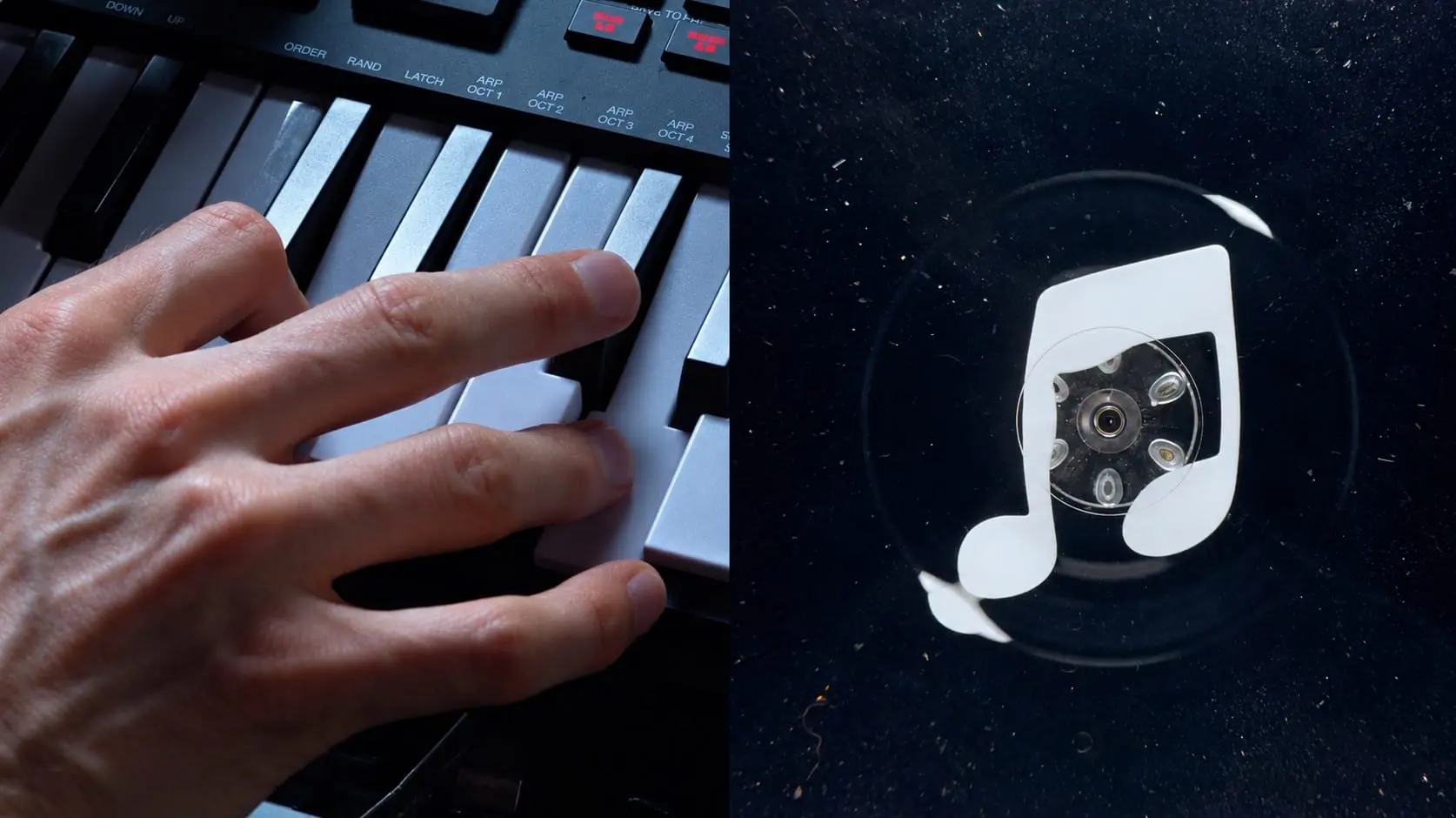
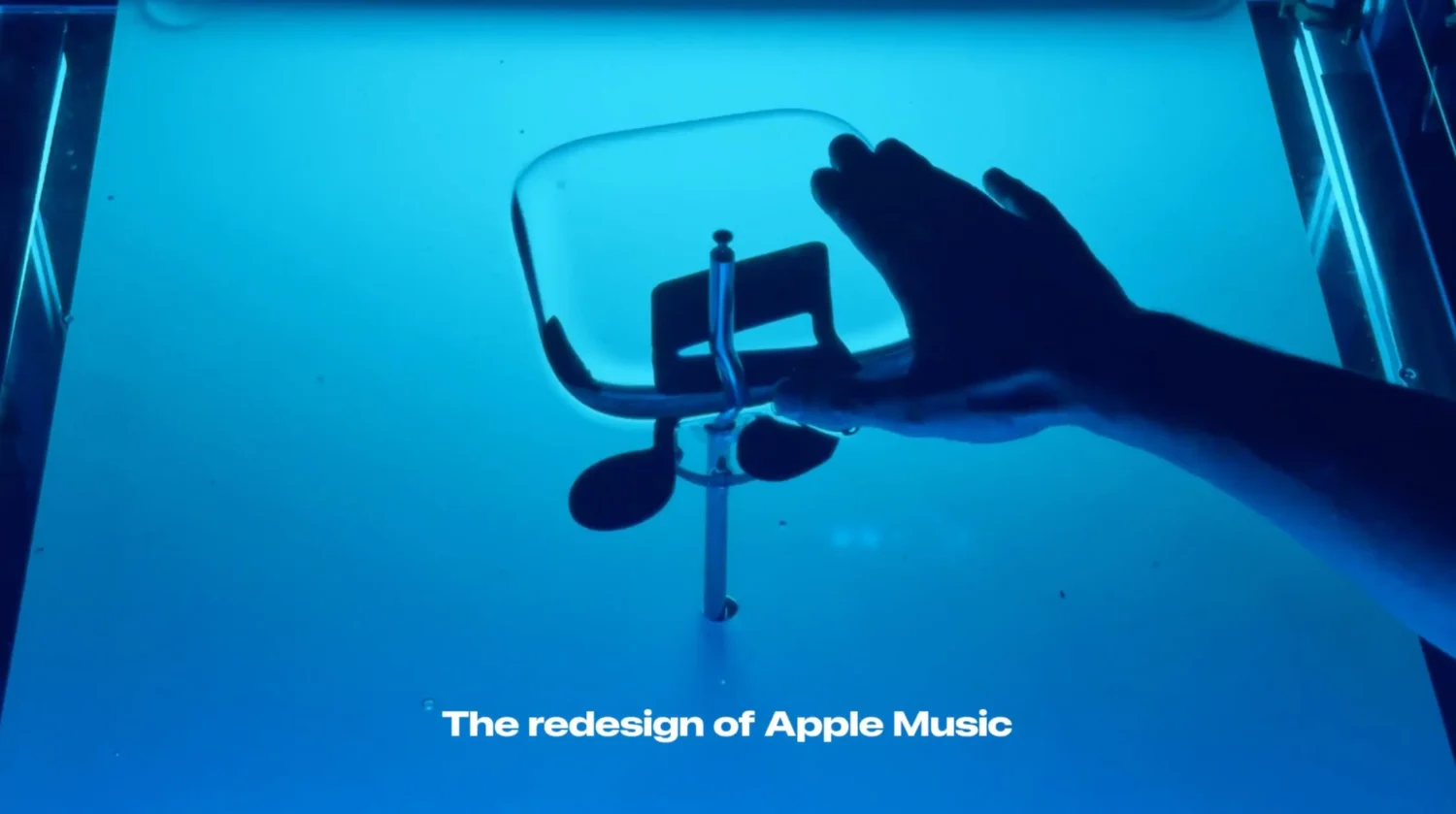
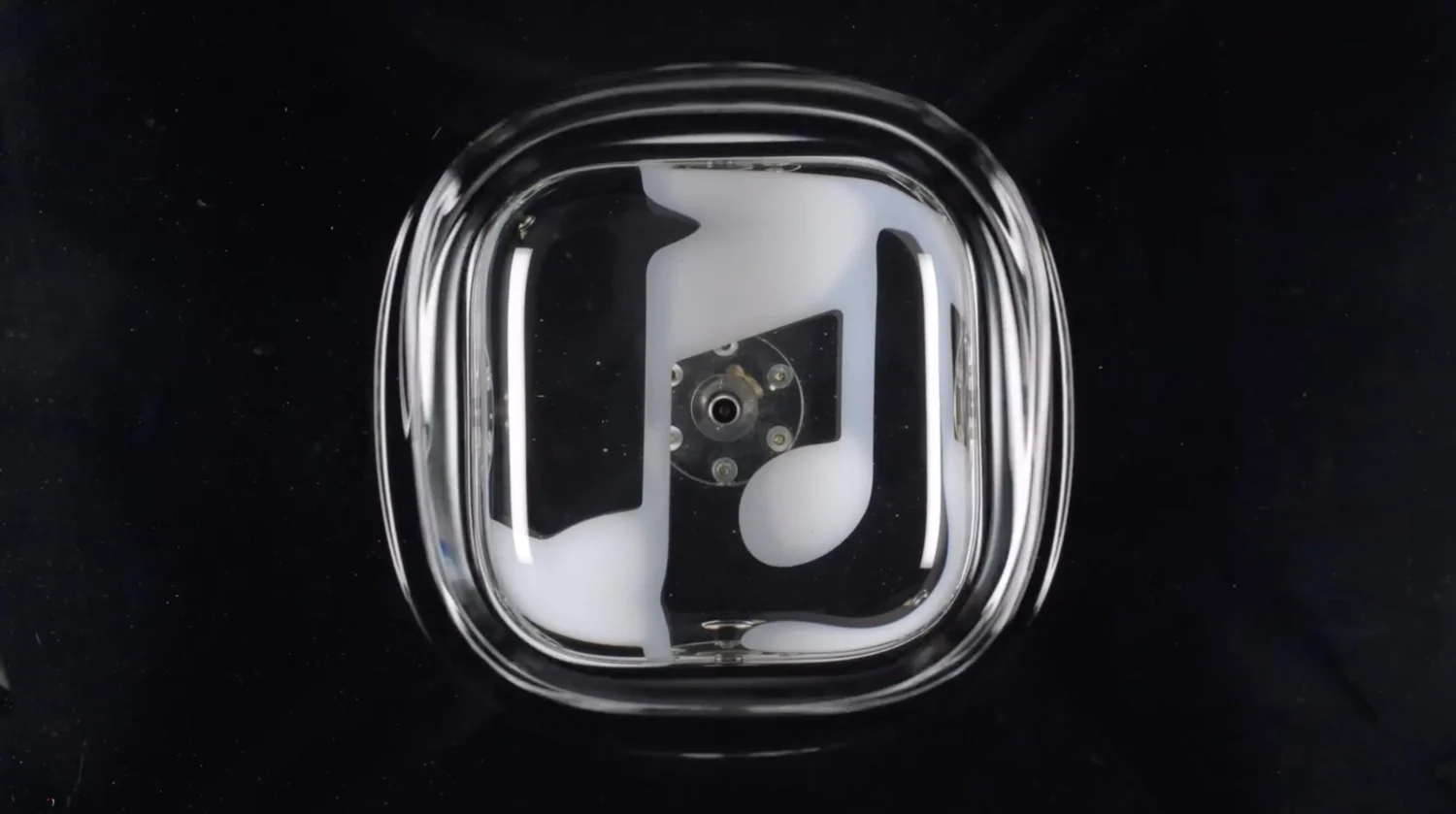
Created with TBWA\Media Arts Lab, producer Fred again.. and NEST Acoustics, the new “Made by Sound” identity starts with an original composition. Individual notes were played through a transducer submerged in a shallow bath of mineral oil, physically creating waves, ripples and refractions that were filmed and turned into Apple Music’s new visual language.
The Sound Actually Made The Logo
The process is not just a nice behind-the-scenes story.
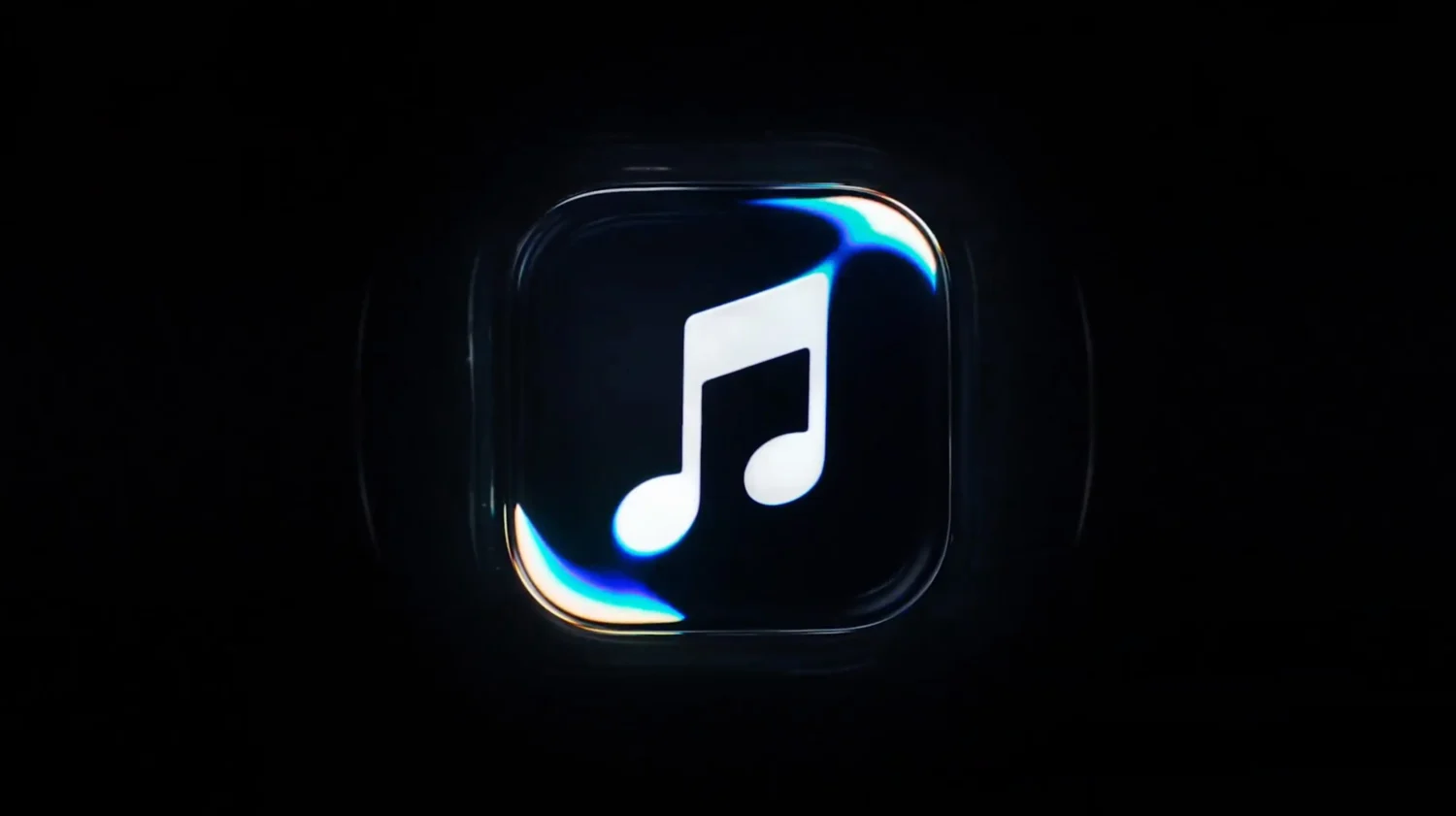
The movement generated by the music shaped the new musical-note icon, animations and brand graphics. The same composition becomes Apple Music’s sonic mnemonic, meaning the brand now looks and sounds from the same source.
The identity also replaces much of Apple Music’s familiar red and pink with a more monochrome system, alongside a new lowercase wordmark based on a customized version of Apple’s SF Pro typeface. The refresh will extend across marketing, original content, events and the product itself.
The Product Truth Became The Design System
That is the really good part.
Plenty of rebrands start with a new logo and then build a story around it. Apple Music started with the thing the product actually exists for: music.
Sound creates movement. Movement creates the visual. The visual becomes the identity.
It is an unusually literal piece of brand design, but it gives every part of the system a reason to exist.
And there is a broader Apple pattern emerging here. Last year, Apple TV created its new identity using real glass, light and in-camera effects rather than CGI. Apple Music similarly turns physical craft into part of the brand story, at a moment when generating polished imagery digitally has never been easier.
The result feels very Apple: technically complicated, visually simple, and obsessed with making the process itself meaningful.
Lots of brands want an identity inspired by what they do.
Apple Music made one from what it does.
Also Read: