


Pinterest is giving parents a new way to shape what their teenagers encounter in the feed: a setting that limits exposure to AI-generated content. The control is arriving as part of an expanded parental-controls system, alongside options for notifications and autoplay.
The move matters because it targets AI as a feed and recommendation problem, not only as a tool a teenager can actively use.
Parents get control over the feed, not just the chatbot
The new setting reportedly lets parents decide how much AI-generated content their children see on Pinterest. That puts it in a different category from controls that simply block access to an AI assistant or prevent a teen from using a generative feature.
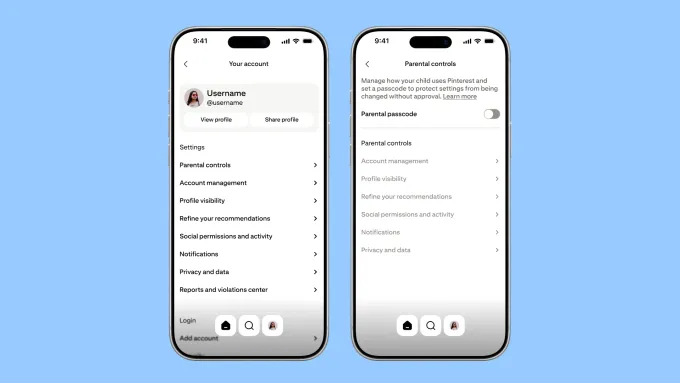
Pinterest is also redesigning its Parental Controls page, making it easier to configure settings for push, browser, in-app, and email notifications. Parents can stop videos from autoplaying and adjust controls related to personalized ads.
The details suggest Pinterest is treating the home feed as part of the safety surface. That is a meaningful shift. A teenager does not need to ask an AI chatbot a question to be influenced by synthetic content. They only need to keep scrolling.
The harder problem is deciding what counts as too much
Pinterest previously introduced settings intended to restrict AI-modified content, but the report notes that AI material can still appear in users’ feeds even when those controls are enabled. Giving parents a broader exposure setting is therefore useful, but it also exposes the limits of the platform’s classification and recommendation systems.
Other platforms have mostly approached the issue by restricting access to specific AI products. Snap has offered a control that prevents its chatbot from responding to teens, while Meta has adjusted access to AI characters and WhatsApp’s Meta AI features. Pinterest’s approach is closer to content governance: it gives families a say in the material the platform recommends around them.
That will not solve the deeper question of whether platforms can reliably identify synthetic content, especially when AI-generated images and videos are blended into ordinary inspiration content. But it does move some control away from the recommendation system and toward the household.
For Pinterest, that is the strategic signal. AI is no longer only a creation feature to promote or a chatbot to supervise. It is becoming part of the everyday feed, where trust is shaped by what the platform chooses to show. The companies that make those recommendations will increasingly be judged by whether users can meaningfully push back.