


LinkedIn wants users to follow more people they do not know, rather than turning every interesting professional voice into a connection. In a LinkedIn blog post, the platform frames following as a way to learn from experts, creators and industry voices without claiming a personal relationship.
That distinction matters because LinkedIn is treating the network as two different things at once: a relationship graph for people you know and an interest graph for the people whose ideas you want in your feed.
Follow is LinkedIn’s lower-pressure discovery layer
The product logic is straightforward. Connections are intended for coworkers, alumni, business partners, friends and other trusted relationships. Following is for people whose posts, articles and opinions are useful, even when there is no direct relationship.
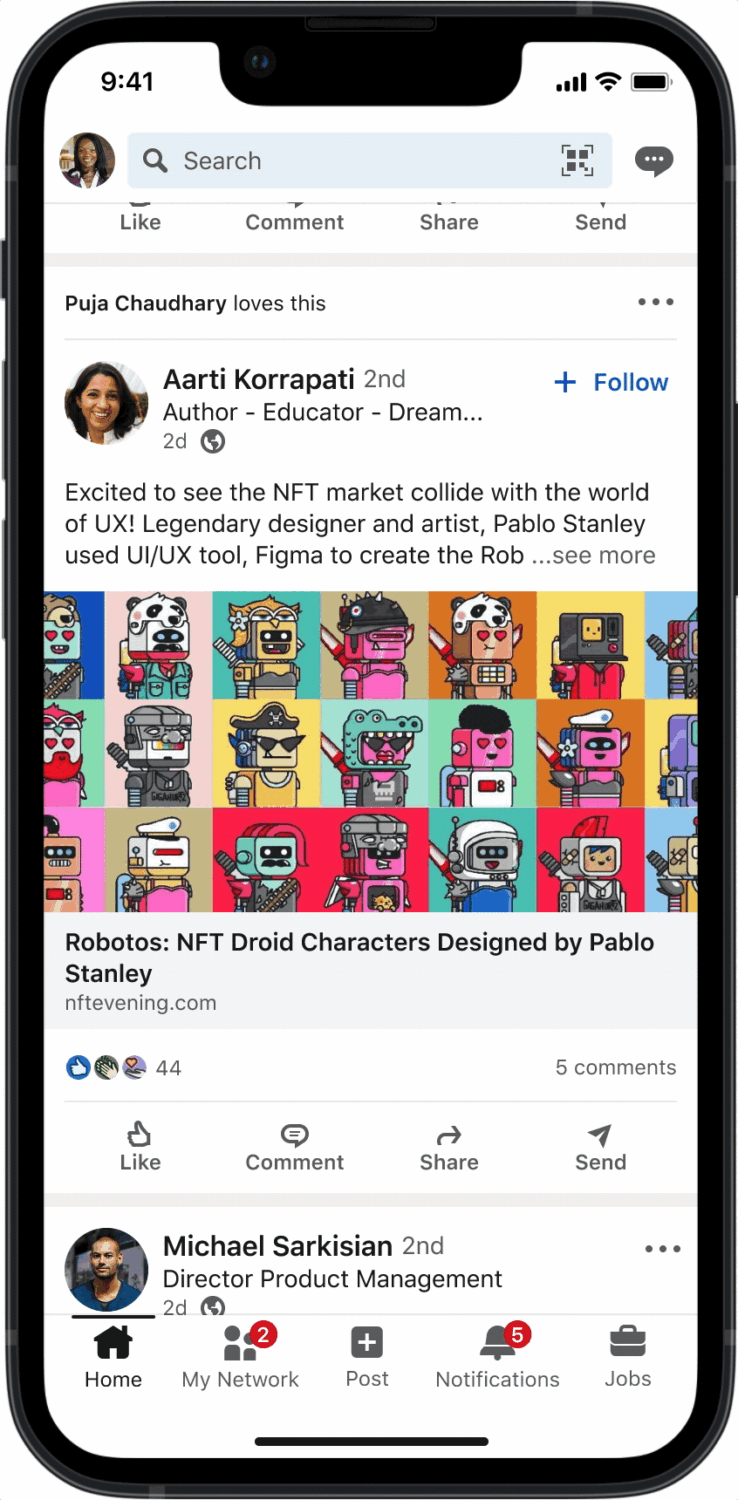
LinkedIn describes two ways to find those voices. Users can follow creators surfaced in their Feed, including people whose content is already engaging their connections. They can also search for a person, company or topic and follow relevant creators directly from the results.
That makes following less like sending a networking request and more like tuning a professional information stream. It also gives LinkedIn a cleaner answer to a familiar problem: users want access to expertise, but experts do not want every audience member inside their personal network.
The platform is making expertise easier to subscribe to
Once someone is followed, their updates appear alongside activity from connections. LinkedIn also points users toward a subscription bell on profiles, allowing them to receive notifications when a followed person publishes an update.
The behavior LinkedIn is encouraging is therefore more deliberate than simply scrolling whatever the algorithm serves. Find a useful voice, follow it, and subscribe when missing a post would matter. For creators, that creates a clearer ladder from being discovered in the Feed to becoming a recurring source of attention.
There is a trade-off. A larger following system can make LinkedIn feel more like a media platform, where professional identity is partly built through publishing and audience development. But the separation from connections keeps the social contract relatively clear. You can learn from someone without pretending you know them.
For brands and creators, the lesson is practical: being visible on LinkedIn is not only about collecting connections. It is about becoming useful enough to follow. The platform is giving expertise a subscription mechanic, which means consistent insight may matter more than proximity.