


The creator economy is becoming easier to understand when you stop treating “creator” as a job title.
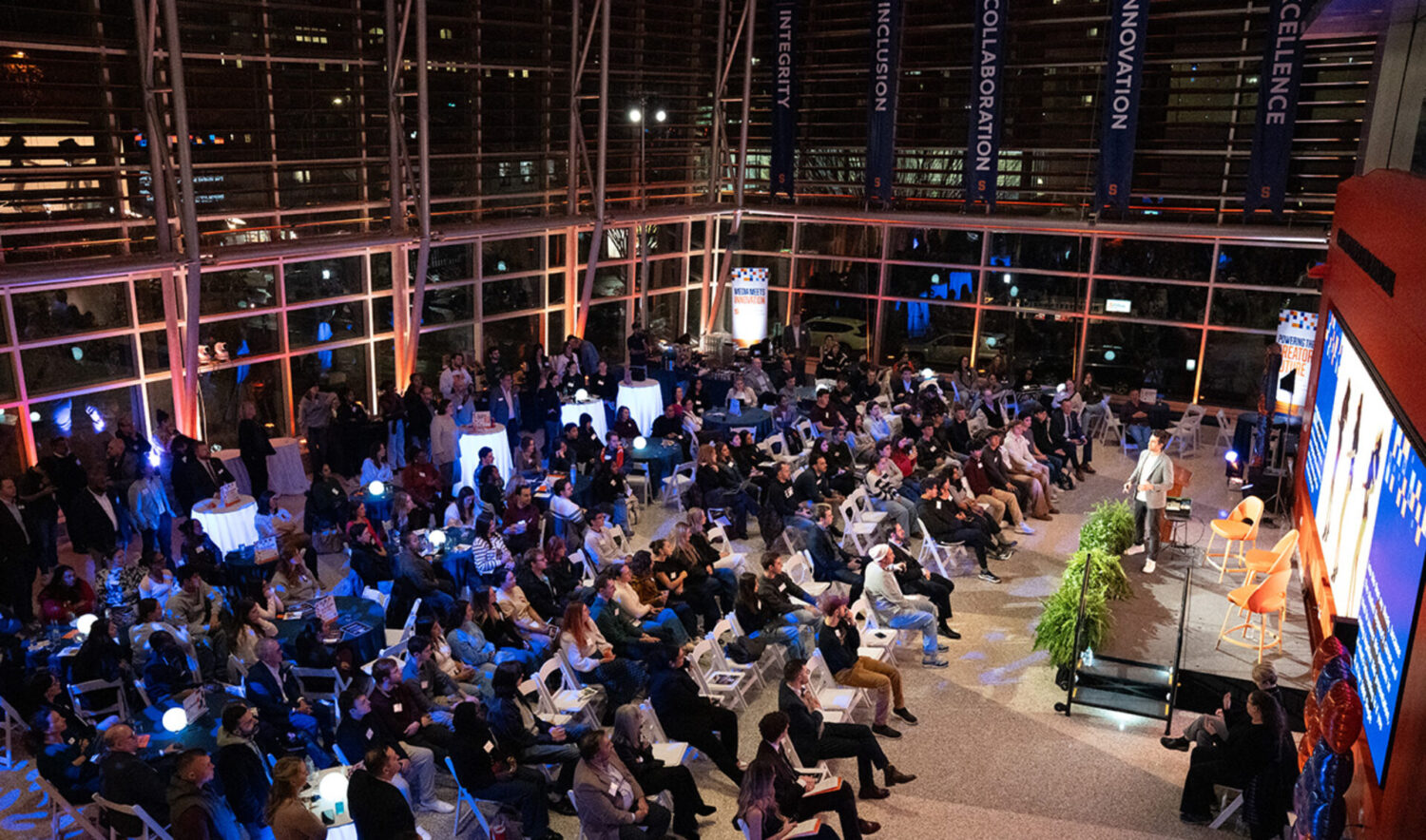
That is the idea behind ‘CUSE Creator Con, a student-led convention taking place at Syracuse University on October 22 and 23. Now in its second year, the event is built around the theme “Owned and Operated” and brings together creators, platforms, companies, faculty and students.
A creator event with a business-school backbone
The convention includes keynotes and panels featuring Meta, Spotter, Proud Management and Out2Win, alongside faculty from Syracuse and other universities. There is also a fireside chat about e.l.f.’s social marketing strategy and a showcase featuring Syracuse student creators including the Sideline Sisters, Motivational Mondays and Brandon Nguyen.
That mix matters. The event is not organized around creator visibility alone. Its programming connects audience-building with brand partnerships, management, marketing and the business decisions that make creator work sustainable.
Matty Weisholtz, one of the event’s co-runners, is a creator, president of the student club ‘Cuse Creative Studios and a Teen Vogue campus correspondent. The second organizer, Elizabeth Riehl, works in public relations and helps produce content for Syracuse’s social channels.
The creator economy is bigger than creators
Riehl’s most useful point, as quoted by Tubefilter, is that students should attend even if they are not on-camera creators. She describes the industry as including business practitioners, lawyers, creatives, software developers and other support roles.
That is a more mature way to frame the category. The creator economy still gets packaged around personalities and reach, but its actual growth depends on the systems around them: production, legal support, brand strategy, software, management and community operations.
For brands, that makes creator work less about finding the next visible personality and more about understanding the wider infrastructure that helps talent operate. The companies that see that distinction early will build better partnerships, because they will be working with the full creator business rather than only its most public face.
It also explains why creator education is moving into universities and student communities. The next generation is not simply learning how to post. It is learning how an audience becomes a business.