


YouTube is raising the bar for creators who want to start making money on the platform.
New creators will need at least 8,000 qualified watch hours over the past year, or 20 million qualified Shorts views in the last 90 days, before they can begin earning through ads and subscriptions. The change is set to take effect on February 1.
That is a big step up from the current requirement: 1,000 subscribers and 4,000 watch hours over the past year, or 1,000 subscribers and 10 million Shorts views over 90 days. In other words, YouTube is not changing the dream of creator monetization. It is making the starting line harder to reach.
A higher bar for the Partner Program
The update reportedly will not affect creators who are already in the YouTube Partner Program. The pressure lands on new creators trying to cross into monetization, especially Shorts-first creators who already operate in a high-volume, high-churn environment.
YouTube is also tightening how Shorts revenue works once creators are inside the program. Creators will reportedly need to maintain 10 million Shorts views over a 90-day period to earn through the Shorts Creators Pool. Channels that fall below that threshold can remain in the Partner Program and continue earning from long-form content, but Shorts revenue would resume only once they pass the 10 million-view mark again.
The platform’s argument is scale. YouTube now says Shorts generates more than 200 billion daily views, while TV viewing accounts for more than a billion hours of watch time every day. When a platform reaches that size, monetization becomes less about letting everyone in and more about deciding which behavior is durable enough to reward.
The creator economy gets more selective
This is the tension at the center of YouTube’s move. Shorts has made creation feel more accessible, but monetization is becoming more demanding. The platform wants a massive surface for discovery, entertainment, and habit-building. But when money enters the system, YouTube appears to be asking creators to prove consistency, not just occasional breakout reach.
That matters because monetization thresholds shape what creators make. If the road to revenue requires more watch time, creators may lean harder into formats that keep audiences watching longer. If Shorts earnings require sustained 90-day scale, creators may need a steadier publishing machine, not just a viral hit.
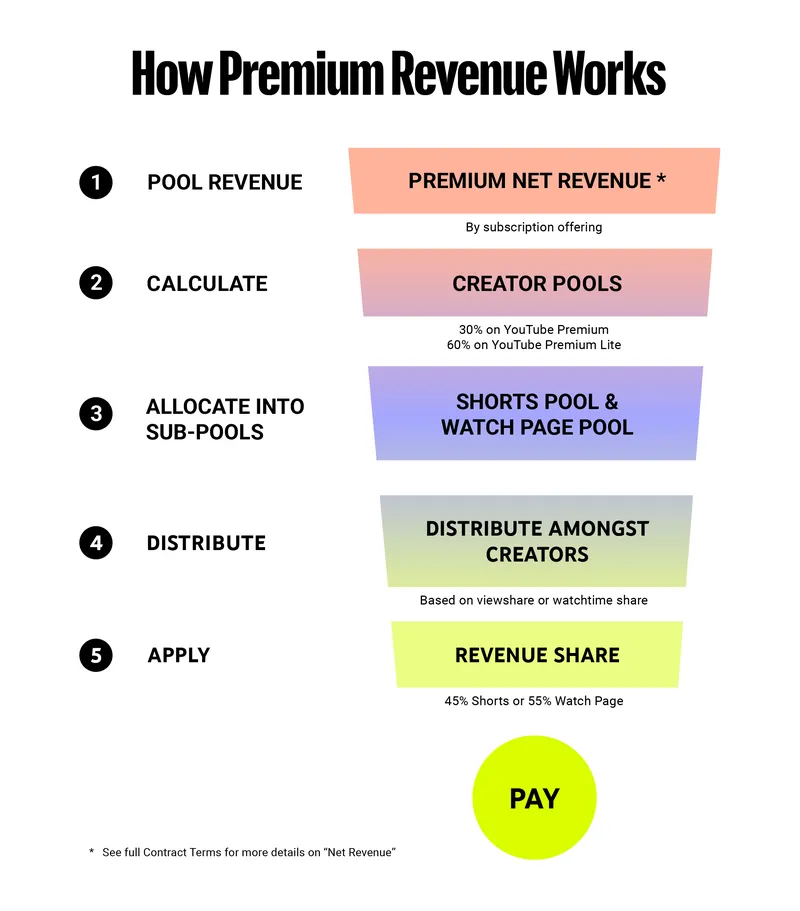
There is one softer edge to the update. YouTube is also reportedly expanding Premium Lite to all countries where YouTube Premium is available. Creators receive a share of subscription revenue based on member watch time and views, with 55% going to long-form video creators and 45% to Shorts creators. So while the entry bar gets higher, YouTube is also trying to grow the pool of paying viewers whose activity can support creator payouts.
The message is still clear. YouTube wants more creators, more Shorts, more TV viewing, and more subscribers. But earning money on that attention is becoming a stronger signal of sustained audience demand, not simply participation.