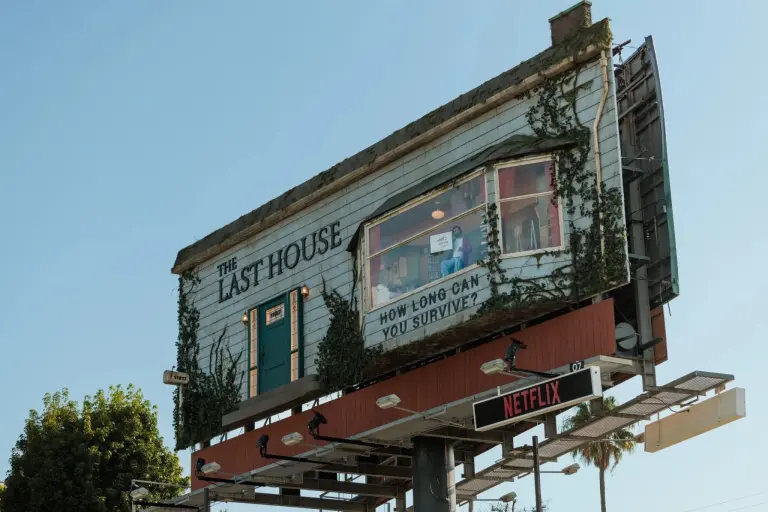
Netflix is promoting The Last House by putting a man inside one.
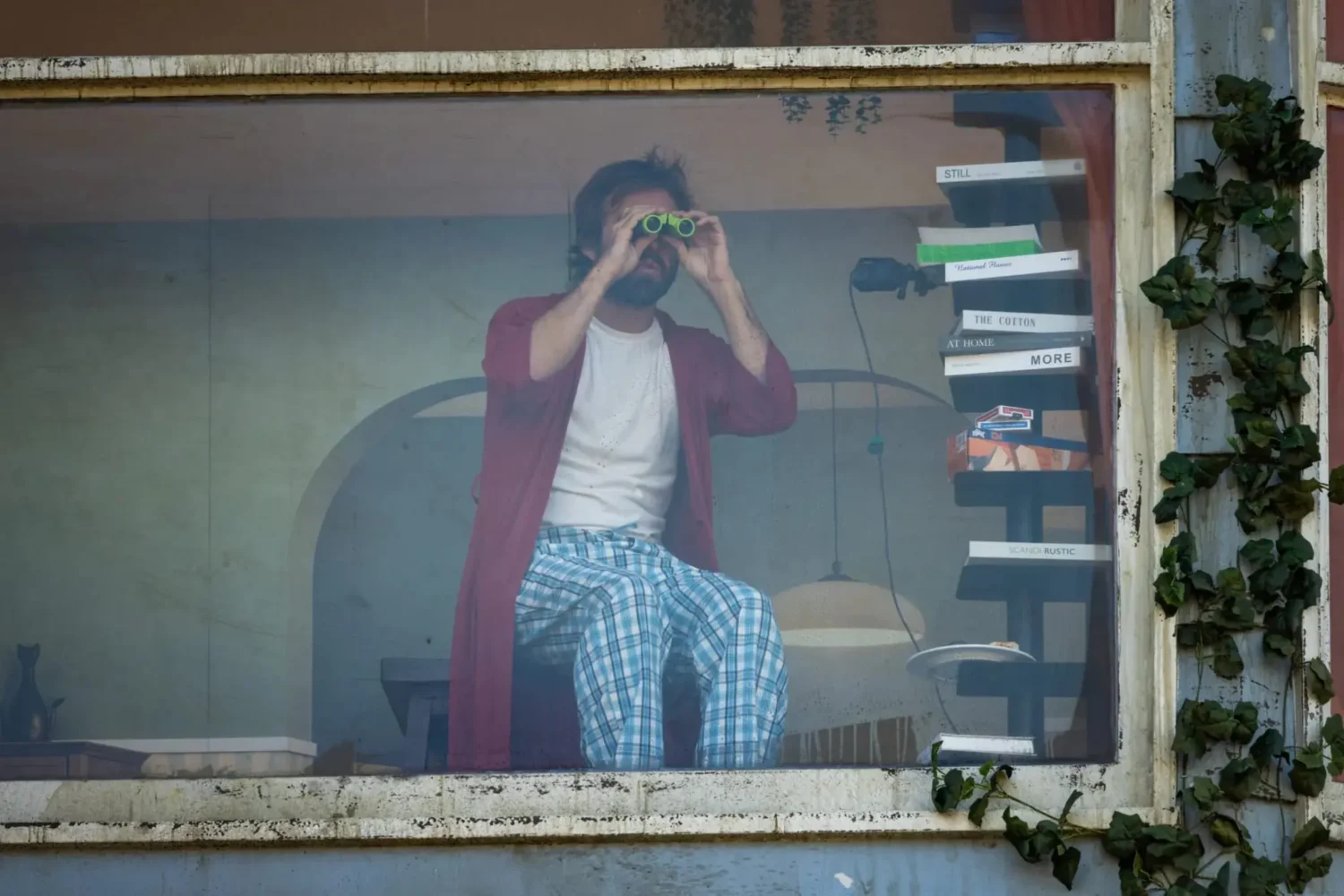
Not metaphorically. Not as a line in a trailer. For the launch of the new Louis Leterrier thriller, the streamer has installed what looks like a fully furnished living room roughly 30 meters above Los Angeles, at the corner of Sunset Boulevard and Selma Avenue. Inside, an actor is spending three days in view of the street below, from Thursday through Saturday, August 8, the film’s Netflix release date.
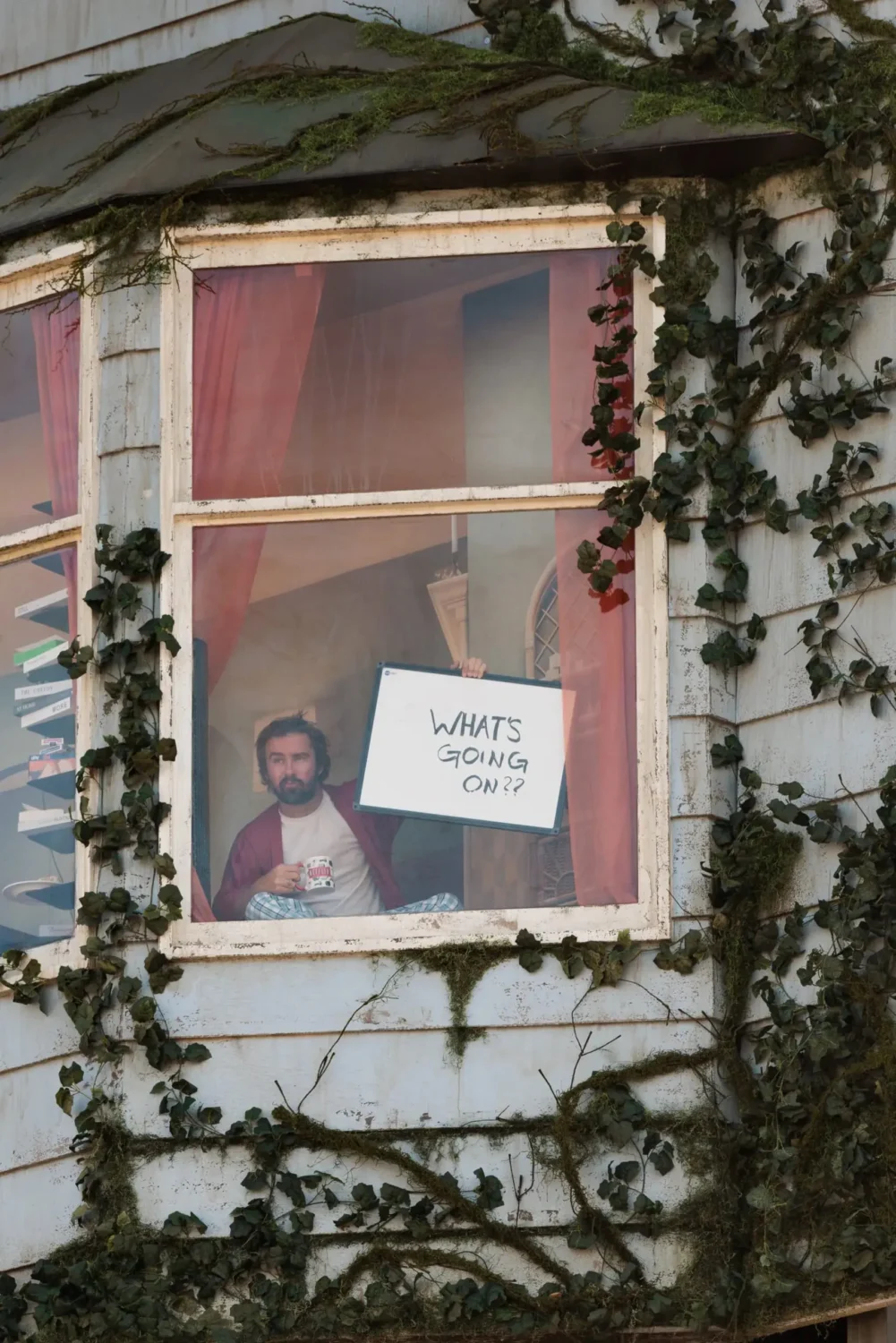
The room includes a comfortable chair, coffee cup, playing cards, binoculars, and even air conditioning. The occupant can communicate with passersby and drivers below using a whiteboard. Netflix also teased the stunt from its official X account with a simple line: “There’s a guy in there.”
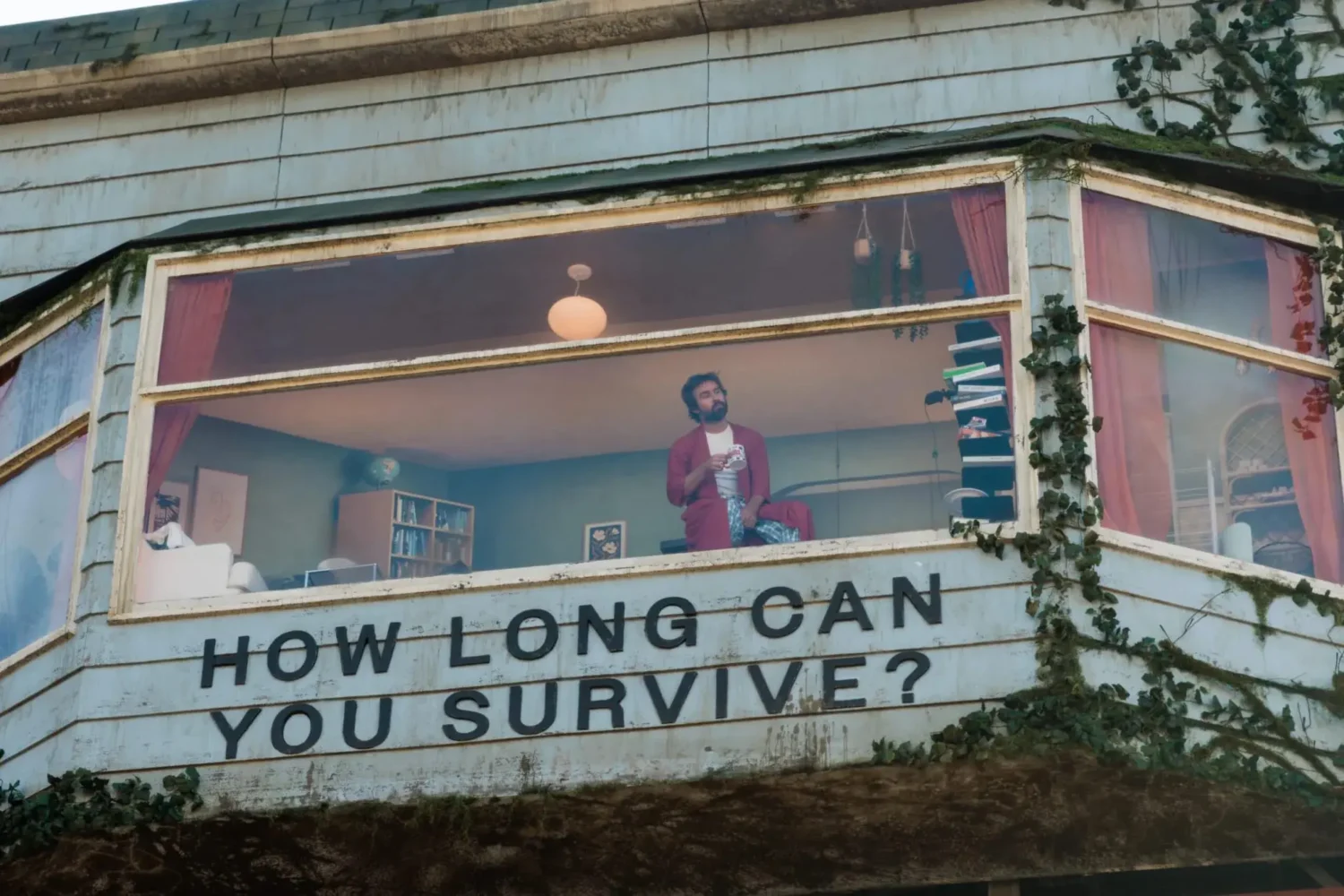
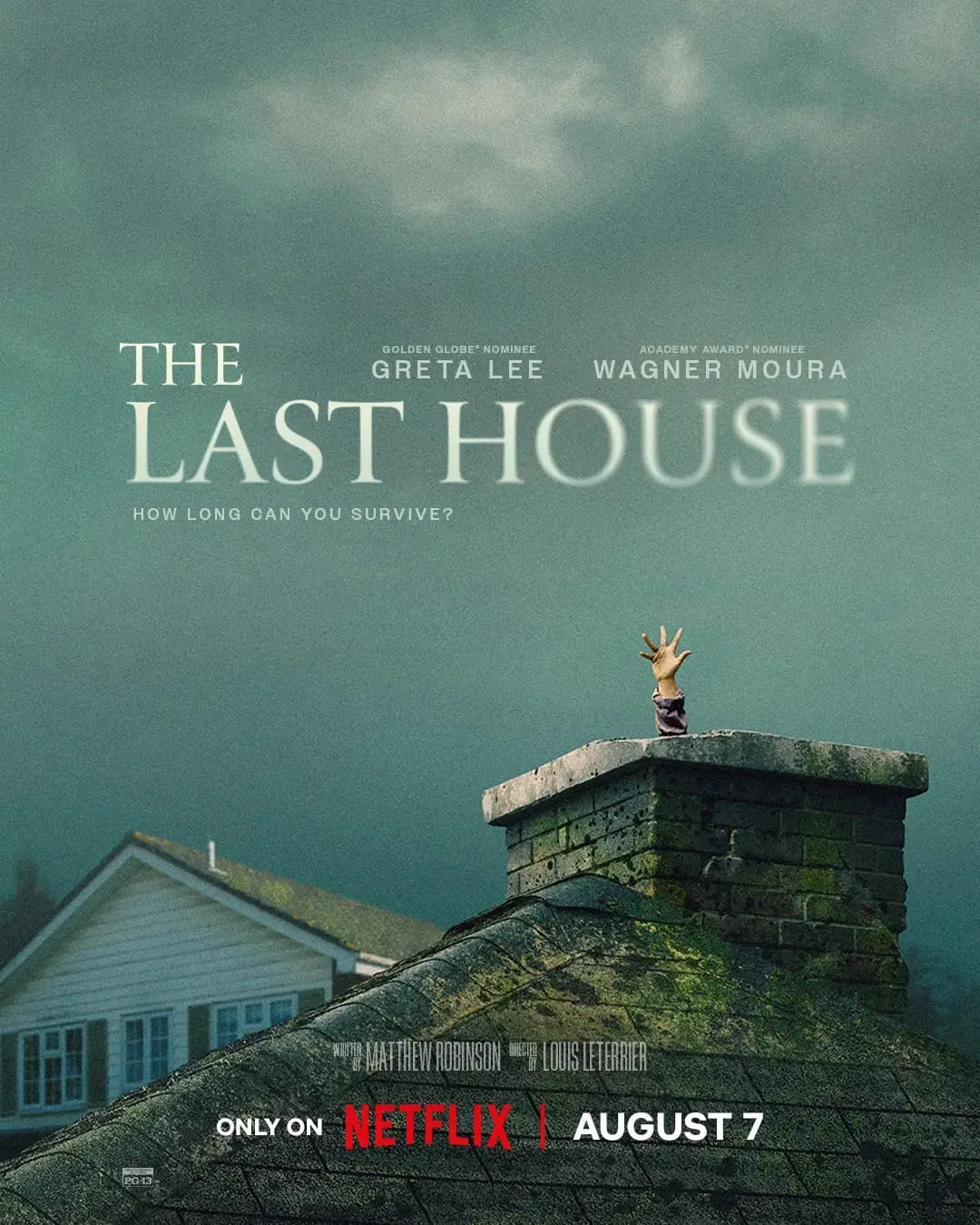
The execution is simple enough to understand in one glance. That is the point. The Last House follows a family of four suddenly sealed inside its own home, forced to survive a mysterious threat as resources run low. Netflix has taken that premise and translated it into a piece of outdoor media that does not just announce the film. It performs the film’s central tension in public.
The billboard is not the media buy. The behavior around it is.
What makes the stunt work is not only the scale, although a room suspended above Sunset Boulevard is hard to ignore. It is the way the idea turns a passive format into a live object.
A traditional billboard can tell you that a thriller exists. This one asks you to stop, stare, film, zoom in, read the whiteboard, wonder how long the actor has been there, and then explain the whole thing to someone else. The ad becomes a prompt for behavior.
That matters because Netflix is not short of screens. It owns the homepage carousel. It can run trailers across YouTube, TikTok, Instagram, and its own app. But physical stunts still do something digital inventory struggles with: they create evidence that something happened in the world.
This is where the campaign feels very Netflix. The streamer has often understood that its strongest marketing moments do not only sell titles; they give audiences a role in extending them. We saw a similar instinct in the fake platform logic of Streamberry, the Black Mirror-adjacent campaign that let people place themselves inside the joke. Here, the participation is less digital, but the mechanic is just as social. The passerby becomes the camera operator. The driver becomes the distribution channel. The person stuck in traffic becomes the first audience.
There is also a useful contrast built into the installation. In the film, the house is a trap. On the billboard, the “trapped” man appears almost comfortable: cooled by air conditioning, surrounded by props, and elevated above the heat and chaos below. That tension makes the image easier to share because it is not simply scary. It is odd, funny, slightly unsettling, and instantly legible.
Netflix is selling the premise before asking for the stream
For entertainment marketing, the lesson is not “build bigger billboards.” Most brands cannot, and most should not. The sharper point is that the best campaign object contains the story’s behavior before the audience ever presses play.
Netflix could have led with cast, director, genre, or release date. Instead, it led with confinement. It turned the home into the hook, then placed that hook where people could encounter it without already caring about the film. The campaign does not depend on recognition. It depends on curiosity.
That is increasingly valuable in a culture where audiences are trained to skip, scroll, and compress everything into a first impression. A suspended living room gives the campaign a first frame that is stronger than a poster and easier to retell than a synopsis. You do not need to know the plot to understand the question: why is there a guy living in a billboard?
For brands, this sits inside a broader shift in advertising away from interrupting culture and toward creating objects that culture can pick up and circulate. As WERSM has argued before, advertising increasingly works when it behaves like something inside culture, not outside it. Netflix’s stunt is a clean example because the media placement, the film premise, and the social sharing mechanic are all the same idea.
The risk, of course, is that the stunt becomes more memorable than the title. But even that risk is part of modern entertainment marketing. In a crowded streaming market, the first battle is not persuasion. It is getting a new release to feel like it exists beyond the app interface.
Netflix’s suspended house does that. It turns a thriller premise into a street-level sighting, then lets the internet do what outdoor advertising alone cannot: make the object travel.
Also Read:
The Future of Advertising Lives Inside Culture, Not Outside It
Cheetos Recruits ‘Thing’ From Netlfix’s “Wednesday”
Streamberry: Joan Is Awful, And You Can Be Too