TikTok has always been good at making songs move. The harder challenge is proving that a viral sound can become a durable artist story.
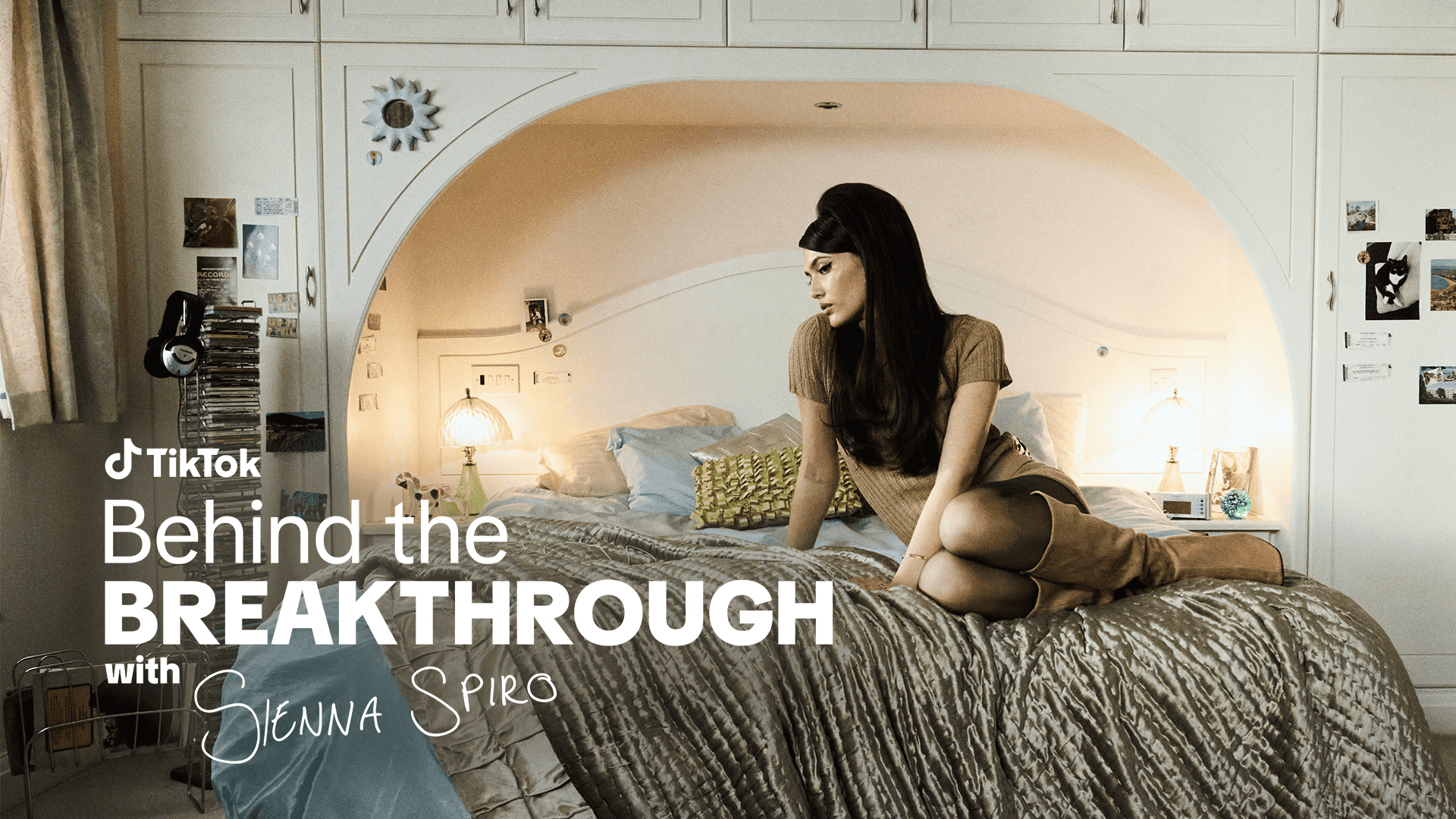
The platform’s latest Behind The Breakthrough campaign with SIENNA SPIRO is built around that exact idea. TikTok says her track “Die On This Hill” generated more than 6 million creations and 16 billion video views, became the most-saved track on TikTok over the last 12 months, and translated into Spotify streams, chart success, tour demand, and award nominations.
That is not just a victory lap. It is TikTok making a case for itself.
@tiktok Before the debut EP and tours, @SIENNA SPIRO had day-one fans supporting her on TikTok, like @KRISTA. Watch the full-circle moment on BehindTheBreakthrough.
From trend machine to career engine
For years, TikTok’s role in music was described through the language of virality: sounds, trends, challenges, memes, saves, and creations. That language is powerful, but it can also make artists feel interchangeable. The song becomes the unit. The creator becomes the distribution mechanism.
Behind The Breakthrough tries to reverse that frame. It turns the viral moment into a narrative about fandom, early supporters, community participation, and the artist’s path from discovery to cultural momentum.
In other words, TikTok is not only saying, “this song was big here.” It is saying, “this career was built here.”
The myth needs receipts
The numbers matter because TikTok is trying to connect platform behavior to off-platform outcomes. Millions of creations are impressive. But the stronger claim is that those creations helped produce streaming momentum, Billboard visibility, sold-out tours, and mainstream recognition.
That is the bridge every culture platform wants to own. Attention inside the app is useful. Proof that attention changes the outside world is much more valuable.
For artists, labels, and marketers, this is the real pitch. TikTok is not just a place where music is discovered. It wants to be understood as the place where audience participation becomes career infrastructure.
The tension: community or case study?
There is still a delicate balance here. Music fandom on TikTok works because it feels participatory and messy. People use songs to tell their own stories, not simply to promote an artist’s campaign.
When the platform packages that activity into a polished documentary-style series, it risks making the organic feel corporate. But it also gives artists something they need: a bigger story than “the algorithm liked me for a week.”
That is where TikTok’s music strategy is heading. Virality is no longer enough. The platform has to show continuity, fandom, and cultural memory.
A song can trend anywhere. TikTok wants to prove it can turn that trend into mythology. For the music industry, that may be the more important breakthrough.
Also Read:
TikTok Culture-To-Commerce Is Becoming A Real Retail Strategy
Gen Z Is Turning Social Media Into Its Operating System
YouTube Wants Creator Shows To Become The New TV Upfront