


Snapchat wants B2B marketers to stop treating the platform as a consumer-only playground.
Its new Spend Smarter campaign is built around a simple argument: the people making business decisions are already discovering products, talking about them and forming preferences inside social platforms. Snapchat wants a larger share of the budget that follows those decisions.
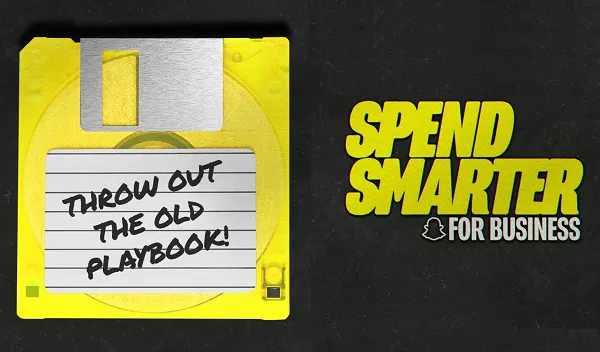
Snapchat is selling the moment before the sale
The campaign extends the message from Snapchat’s recent Performance Summit, where the company focused on connection, conversation, measurement and finding new customers. Its official positioning moves beyond the familiar performance-marketing language of clicks and direct response, emphasizing how people discover brands before they are ready to convert.
That gives Snapchat a more useful role in the B2B funnel. The platform is not claiming that every purchase or lead begins and ends in the app. It is arguing that Snapchat can influence the earlier moment when a decision-maker first encounters a product, hears a recommendation or begins forming a shortlist.
The campaign page frames Snapchat advertising around three actions: driving interest, driving sales and driving sign-ups. It also promotes full-screen creative, audience targeting and performance reporting as ways to connect discovery with measurable outcomes.
The B2B pitch is really a budget-reallocation pitch
According to Social Media Today, the campaign will use recognizable industry voices and customer success stories, and will run across Instagram, TikTok and Substack in the U.S. and U.K. That distribution matters. Snapchat is not only trying to reach advertisers inside its own ecosystem. It is taking the argument for Snapchat spend into the places where media buyers already spend their time.
This is part of a wider effort to make Snapchat feel less like a specialist channel and more like a serious part of a modern media mix. The company has been highlighting its role in discovery, its measurement tools and the possibility that attention on Snapchat can influence outcomes elsewhere.
For B2B marketers, the useful question is not whether Snapchat suddenly replaces LinkedIn or search. It is whether the platform is being evaluated too narrowly because its influence is harder to see in last-click reporting. Google’s push to make vertical video buying work more like one media channel points to the same pressure from another direction: platforms increasingly want advertisers to judge media by how it contributes across a journey, not only where the final click happened.
Snapchat’s B2B push will succeed only if its broader influence can be translated into credible measurement. But the strategic move is clear. Snapchat is no longer asking marketers to spend because its audience is young. It is asking them to spend because attention, discovery and business influence are increasingly happening in the same places.