


Polaroid’s smallest instant camera is having a very 2026 kind of moment: not because it does more, but because it does less in a way people can actually hold.
The Polaroid Go Generation 2 is the brand’s compact instant camera built around the smaller Polaroid Go film format. The current hook is an Amazon deal, which had the camera available for $72 with a pack of film included at the time of writing. But the more interesting part is not the discount. It is what this tiny camera says about where casual photography still has room to grow outside the phone.
Polaroid is not trying to beat the smartphone camera. It is trying to make the photo feel like an event again.
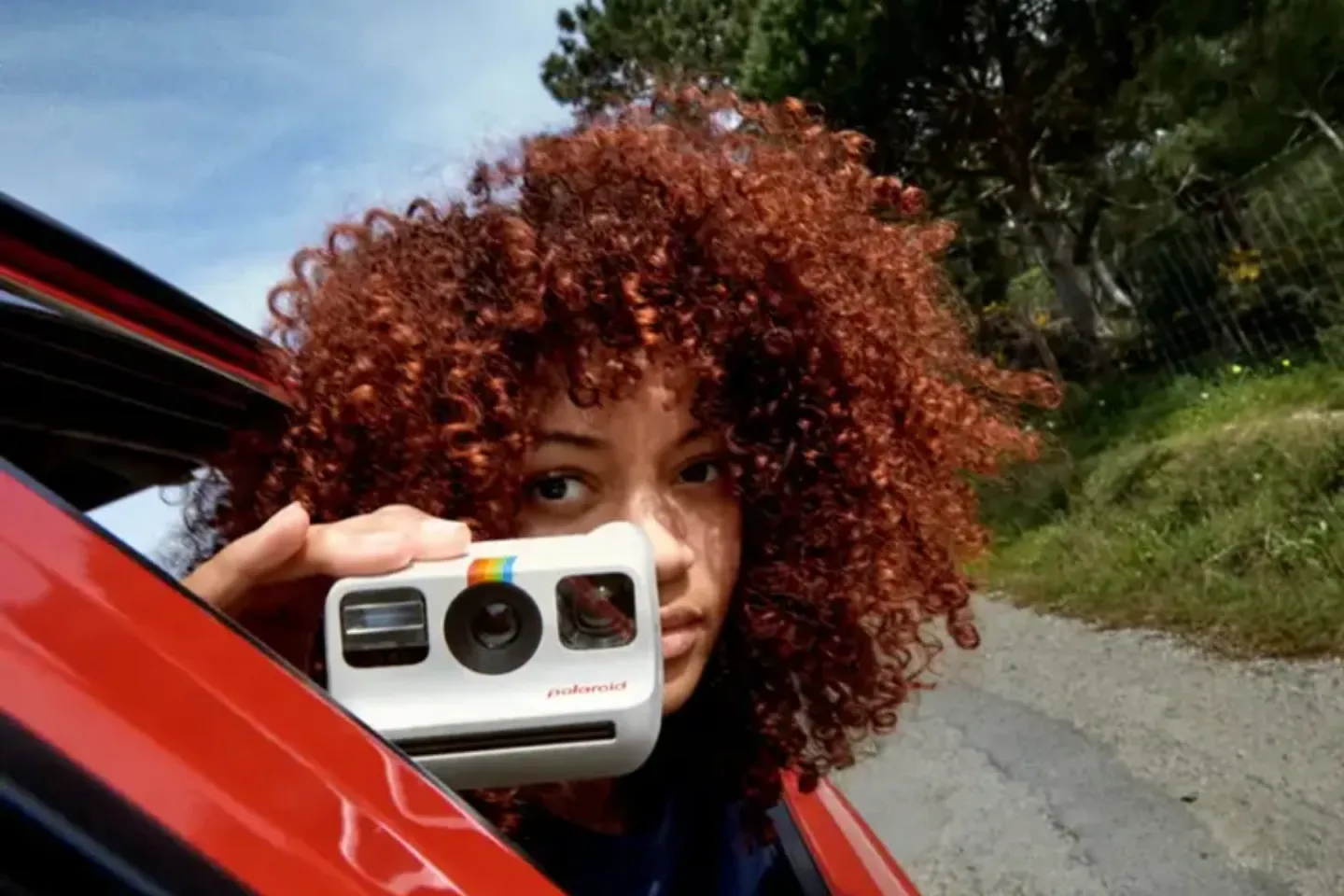
The Camera Is Small, But The Behavior Is The Point
Polaroid positions the Go Generation 2 as its smallest instant camera, and the spec sheet leans into portability rather than professional control. It is rechargeable via USB-C, made with 30% recycled materials, and works only with Polaroid Go film. It also includes the familiar social mechanics that make instant cameras feel participatory: a selfie mirror, self-timer, and double exposure mode.
The second-generation model also brings a wider aperture range, from f/9 to f/42, plus a more precise light sensor. In plain English, the camera is trying to make tiny instant photos easier to get right without making the user think too much about the process.
That matters because Polaroid’s real product is not image quality. It is the handoff. Someone takes the shot, waits for the print, passes it around, pockets it, pins it, keeps it. The photo becomes a small social object rather than another file inside an infinite camera roll.
That is a different kind of shareability. Digital sharing is optimized for speed and reach. A Polaroid print is optimized for presence. It moves through a group more slowly, but it carries more weight because there is only one of it.
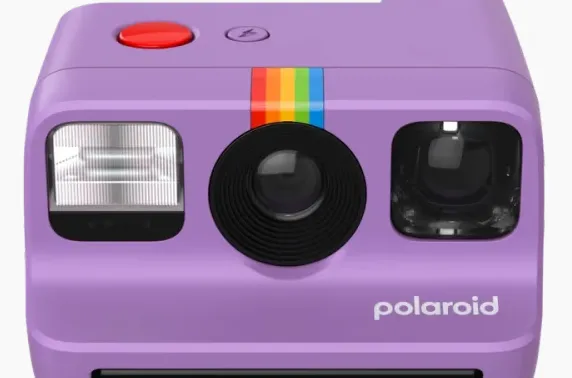
Analog Is Becoming A Feature, Not A Throwback
For brands, the Polaroid Go is a useful reminder that physical design can still create behavior. The smaller film format, the compact body, the built-in selfie mirror, and the included film bundle all lower the friction around bringing the camera into social situations. It is not a camera for documenting everything. It is a camera for deciding that one moment deserves to become an object.
That is why analog products keep finding new relevance in a feed-saturated culture. The value is no longer nostalgia alone. It is contrast. When everything is instantly captured, instantly edited, and instantly posted, the thing that takes a few minutes to appear can feel more intentional.
We are seeing the same logic across product design, where small physical tweaks can turn ordinary objects into brand behavior. Heinz adding a dial to its ketchup lid worked for the same reason: the product did not need a new story as much as it needed a more visible ritual.
Polaroid Go sits in that lane. It gives people a reason to pause, gather, and make the photo part of the moment instead of a record of it afterward. That makes the tiny print less a souvenir than a media format brands can still put directly in people’s hands.