The AI assistant is moving into the house. Not as a talking speaker on the kitchen counter, but as something closer to a memory layer for the home itself.
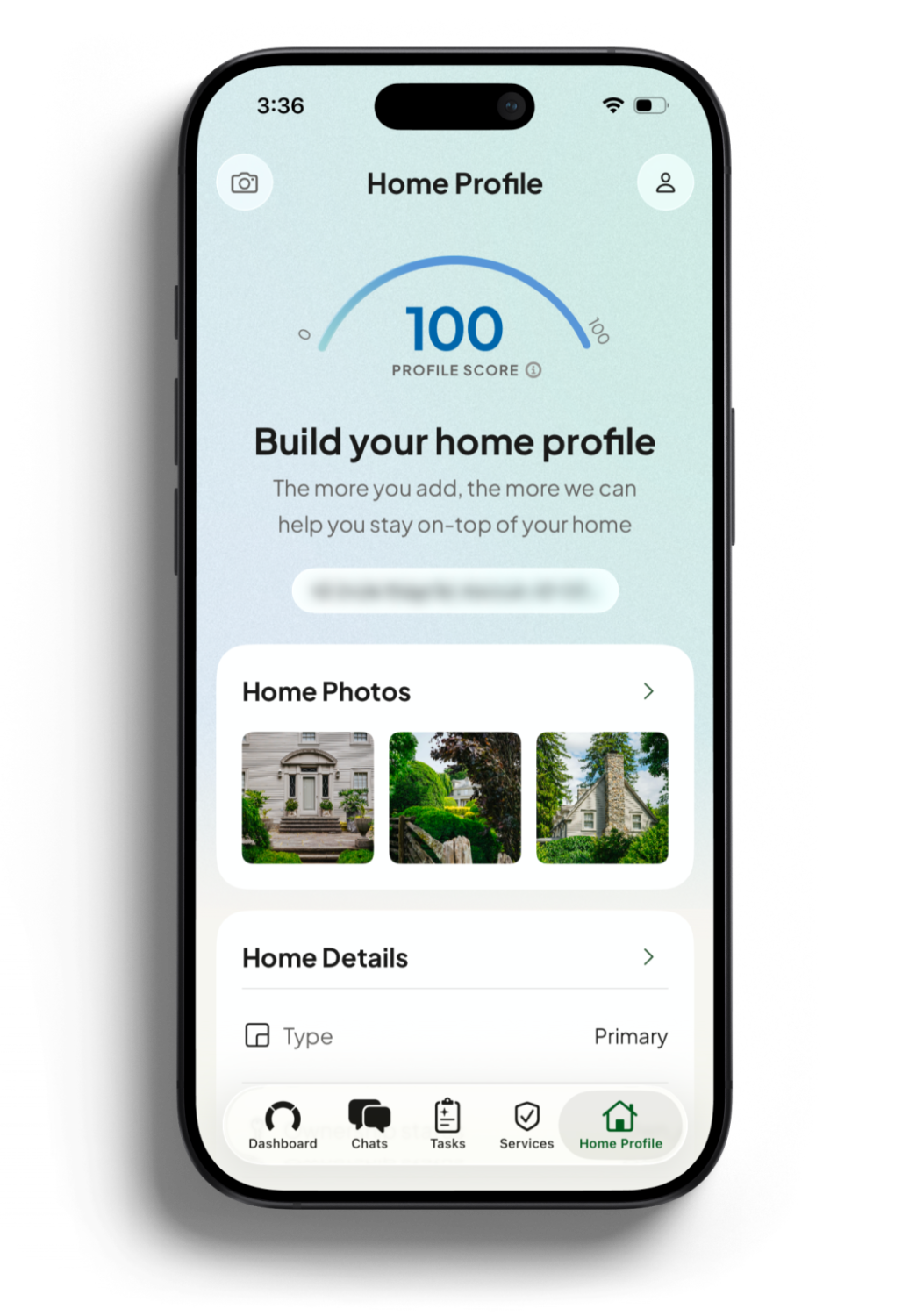
That is the bet behind Hint, a new AI startup co-founded by Martha Stewart, which launched its app for homeowners with a fairly ambitious promise: help people manage the messy, recurring, document-heavy parts of owning a property.
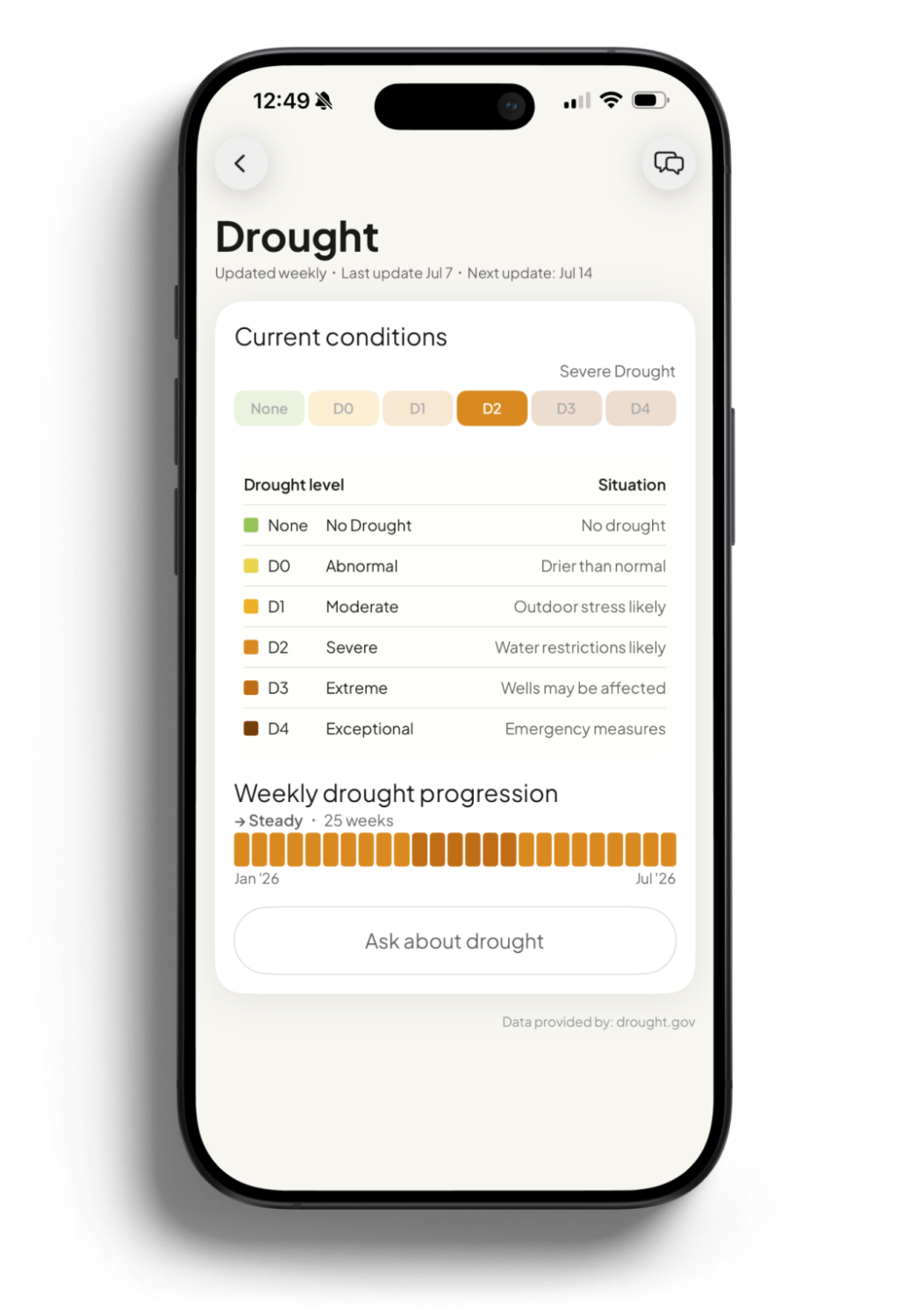
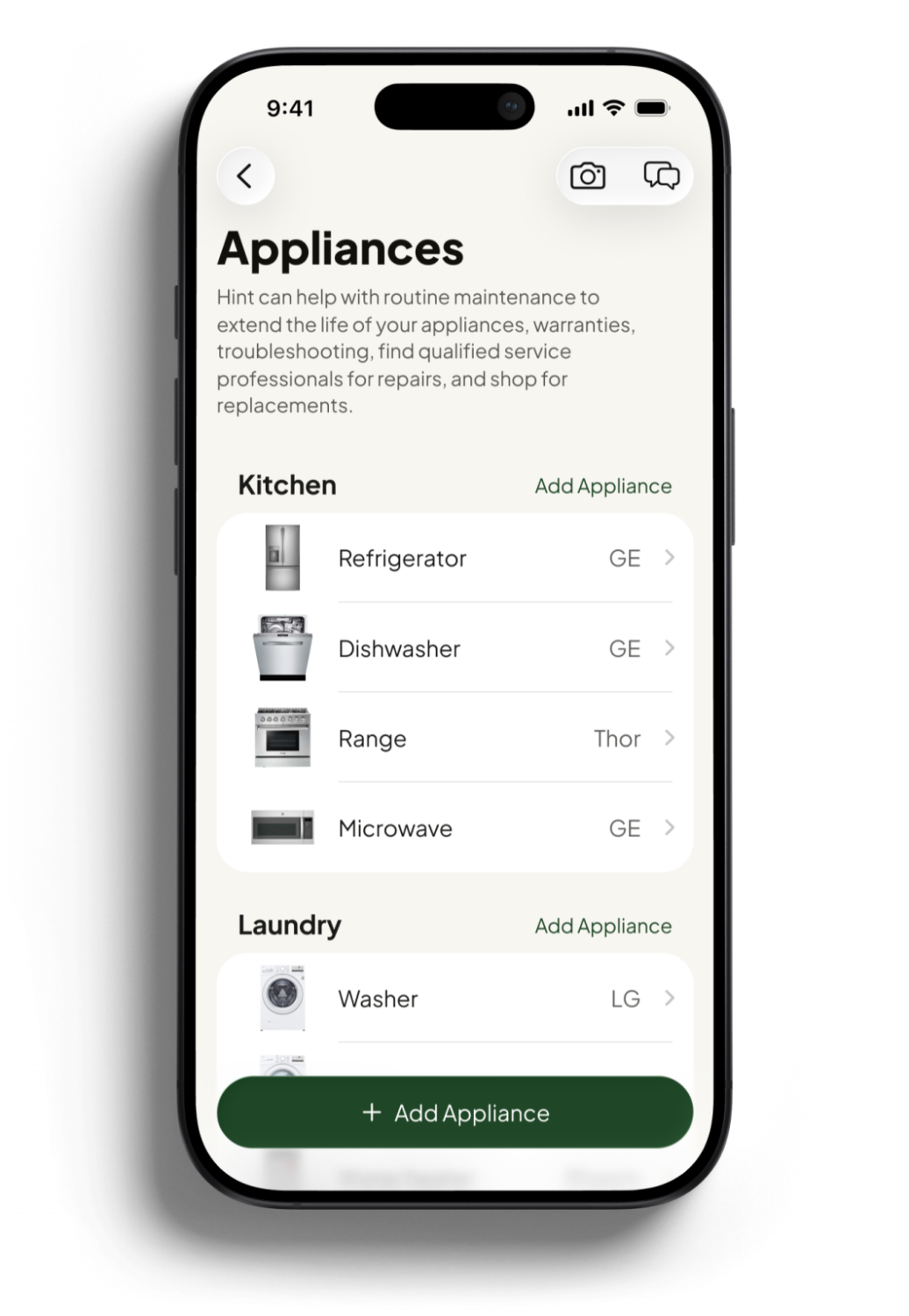
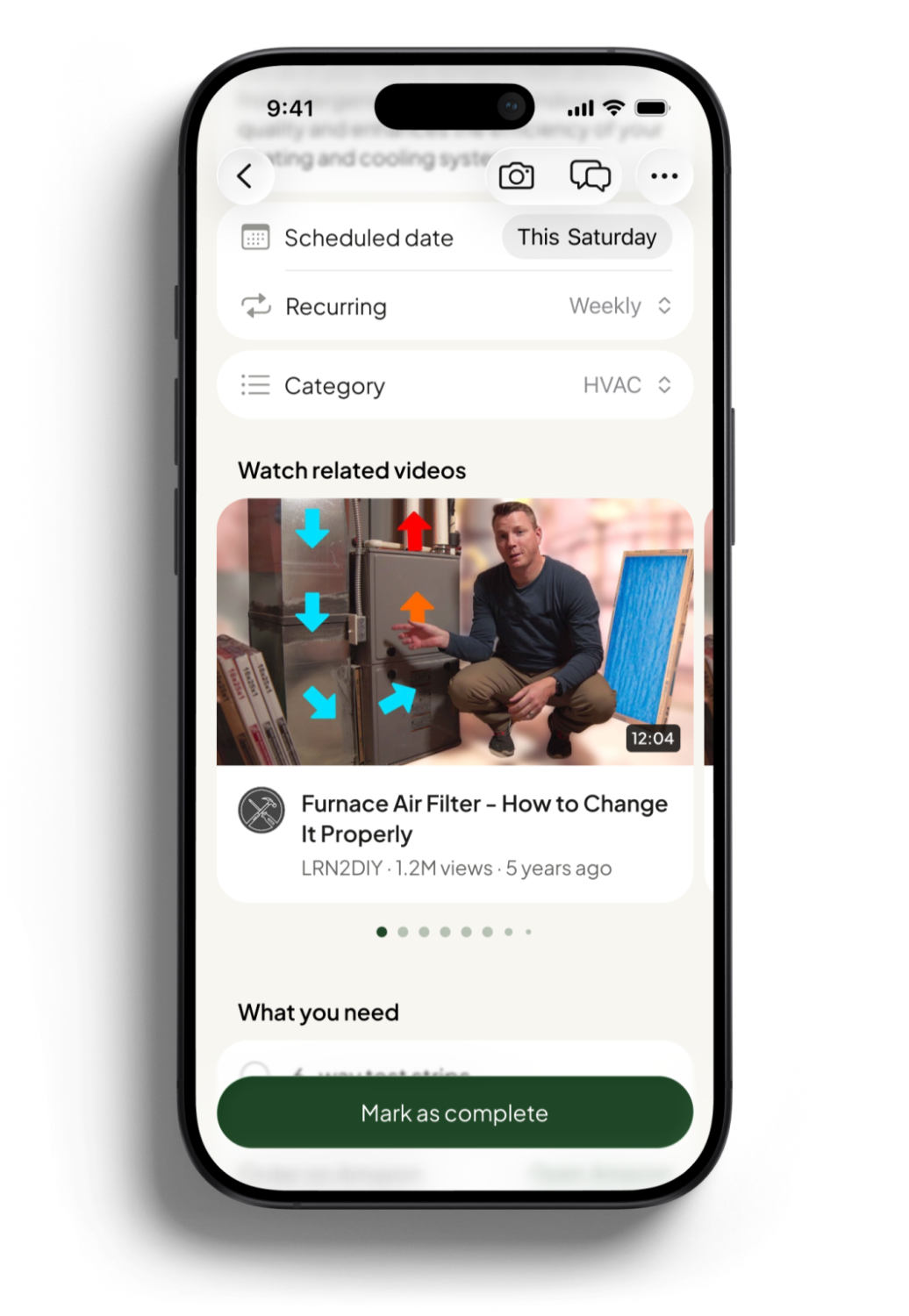
The app is designed to handle maintenance schedules and tasks, energy management, soil and air quality questions, insurance claims, and the contracts, invoices, and files that usually live across email, drawers, PDFs, and forgotten folders. Users can then query that information through a built-in AI assistant.
In other words, Hint is not pitching AI as a content machine. It is pitching AI as domestic admin.
A house with a memory
The product started somewhere narrower. Hint began in 2024 as a tool to help homeowners navigate decarbonization incentives, before the team decided the bigger opportunity was home management itself. As co-founder and CTO Kyle Rush put it to TechCrunch, the company quickly moved toward the idea of becoming “the AI for your home.”
That pivot matters because it shows where consumer AI is trying to go next. The first wave of AI apps trained people to ask questions in a chat box. The next wave wants the chat box to already know the context: the address, the documents, the maintenance history, the energy profile, the insurance problem, the weird patch of soil in the backyard.
For homeowners, the pain point is real. A home is full of information, but almost none of it is organized around future use. The invoice from the plumber only matters when the same pipe fails again. The appliance manual only matters when something starts blinking. The insurance document only matters when you are stressed and trying to remember what is covered.
Hint’s proposition is that AI becomes useful when it can sit on top of that mess and make it searchable, actionable, and specific. That is a very different consumer behavior from asking a generic chatbot how often to clean a gutter.
Martha Stewart is not just the marketing hook
The Martha Stewart part is obviously the headline magnet. But the more interesting detail is how involved she appears to be in the product itself.
Rush told TechCrunch that Stewart is not a financial investor, but is a real co-founder with a serious equity stake. He also said she is “very involved,” reviewing the app, its language, branding, design, and the accuracy of what it says about home-related topics. His example was very on-brand: when the app is wrong about soil, Stewart calls it out.
That gives Hint a more credible wedge than celebrity endorsement alone. If the app is meant to answer practical questions about the home, taste and trust are part of the interface. The assistant cannot just sound intelligent. It has to feel competent in a space where people are making decisions about property, safety, money, and comfort.
That is also where the friction will live. The more useful Hint becomes, the more sensitive the data becomes. Home addresses, invoices, insurance claims, contracts, energy use, and maintenance records are not casual inputs. They are a map of private life. The same tension is already showing up across AI hardware and ambient computing, where products such as Apple’s smart glasses face a privacy test before they even launch.
Hint is a small startup launch, not a guaranteed category shift. But it points to a bigger direction for AI: away from novelty prompts and toward systems that know enough about one specific part of your life to be genuinely useful.
If that works, the winning interface for homeownership may not be another dashboard. It may be the assistant that remembers what the house needs before the owner has to go looking for it.
Also Read:
Apple’s Smart Glasses Face A Privacy Test Before They Even Launch
TikTok Is Testing A Way For Creators To Protect Their Likeness
Instagram Adds Voice Effects To Make DMs More Playful