The flip phone is not coming back because people forgot how smartphones work. It is coming back because some people know exactly how well smartphones work, and want a cleaner way out.
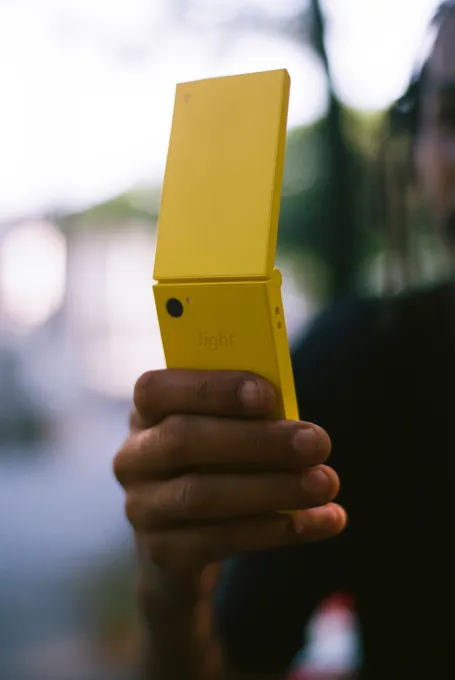
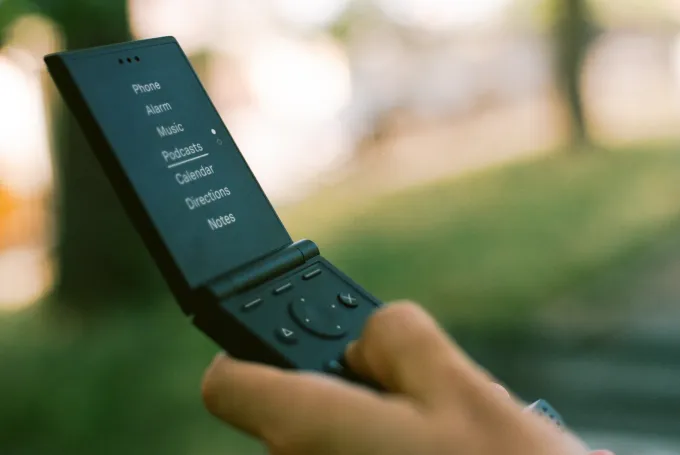
Light, the company behind the minimalist Light Phone, is now building that idea into a more familiar shape. The new Light Flip takes the company’s stripped-down phone experience and puts it inside a tactile flip phone, at a much lower price than its previous devices.
That matters because the product is not trying to be nostalgic first. It is trying to make restraint feel designed.
A cheaper Light Phone, with a very deliberate trade-off
Light co-founder Kaiwei Tang helped create the Motorola Razr more than 20 years ago. A decade into building Light with co-founder Joe Hollier, he is now watching younger users ask for a category many assumed had been left behind.
Tang told TechCrunch that Light has been interviewing young people who use flip phones for years. The pattern was interesting: Gen Z users often described their devices negatively, especially around build quality, but still stuck with them and felt proud of the choice.
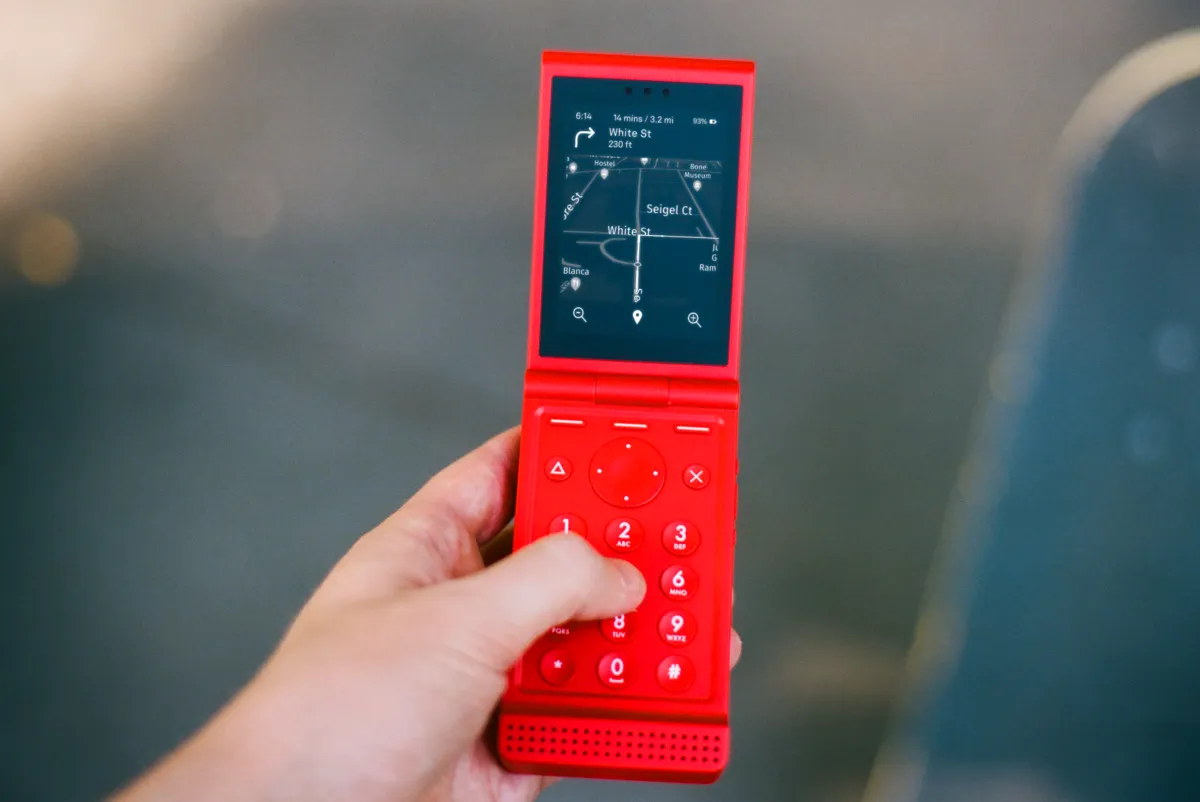
So Light built the Light Flip around the same Light Phone experience, including Light Phone OS, its SDK developer program, and existing tools such as alarm, calculator, and calendar. The difference is the interface. Instead of a touchscreen, the Light Flip is fully tactile, with old-school T9 predictive texting and no selfie-camera-first design logic.
The price is the sharper move. Light’s unlocked Light Phone III retails for $799. The Light Flip comes in at $299 by dropping the touch screen, NFC reader, and selfie camera. It also swaps aluminum for plastic, which is less premium but opens the door to color: black, red, yellow, pink, navy blue, and light grey.
That mix says a lot. The Light Flip is not trying to beat the smartphone on specs. It is trying to lower the cost of opting out.
The anti-smartphone is becoming more social
The interesting part is that Light is not only selling fewer features. It is selling a new kind of phone identity.
For years, minimalist phones carried a slightly severe energy: practical, gray, almost corrective. The Light Flip feels different. The colors, the flip form, the tactile typing, and the lower price all make the device feel less like a punishment for being too online and more like a visible lifestyle choice.
That is where the Gen Z detail from TechCrunch becomes important. These users were not keeping bad flip phones because the products were objectively better. They were keeping them because the behavior meant something. A flip phone creates friction. It slows replies. It removes feeds. It makes availability feel less automatic. In a culture where the smartphone is also a camera, wallet, inbox, TV, map, social feed, and work device, that friction becomes a signal.
Light’s bet is that there is a market for that signal when it comes with better software and a lower price. Not mass-market smartphone replacement. Not full digital disappearance. Just a more intentional second path for people who want communication without the endless surface area of the app economy.
For marketers and platforms, the consequence is simple: attention is no longer only being fought inside feeds. Some users are beginning to manage attention at the hardware level. The Light Flip turns that behavior into an object people can hold, customize, and show others.
Also Read:
TikTok Is Testing A Way For Creators To Protect Their Likeness
Instagram Adds Voice Effects To Make DMs More Playful
Cash App Launches a Tap-to-Pay Magic Wand